Business Development
(224) 213-5119
General Information
(513) 776-1078

- By Haley
- July 23, 2026
Table of Contents
Key Highlights
- A lumper service supports pharmaceutical distribution by speeding up the unloading process at busy warehouse docks.
- In the logistics industry, these teams help protect supply chain flow and reduce wait times.
- Pharmaceutical warehouses rely on careful handling, so operational efficiency must work alongside quality checks.
- Lumpers can sort, unload, and stage freight so internal teams can focus on core warehouse tasks.
- The right setup helps lower labor pressure while keeping products moving safely and on time.
Introduction
A lumper service plays an important part in keeping the supply chain moving, especially in pharmaceutical warehouses where timing and careful handling matter. These facilities do not just unload freight and move on. They must protect product quality, maintain organized warehouse operations, and avoid delays that can affect distribution. That is what makes this topic worth understanding. If you manage shipping, receiving, or dock operations, knowing how lumping services fit into pharma can help you make better decisions.
Understanding Lumper Services in the Pharmaceutical Industry
In the logistics industry, a lumper service refers to third-party labor that handles physical freight work such as unloading, sorting, and pallet restacking. In simple terms, these workers step in when a truck arrives and the warehouse needs fast, organized help at the dock.
Yes, they are used in the pharmaceutical industry as well. In that setting, the unloading process must support the supply chain without disrupting quality control or product flow. That is why the details behind warehouse lumping matter.
Defining warehouse lumping and its key role
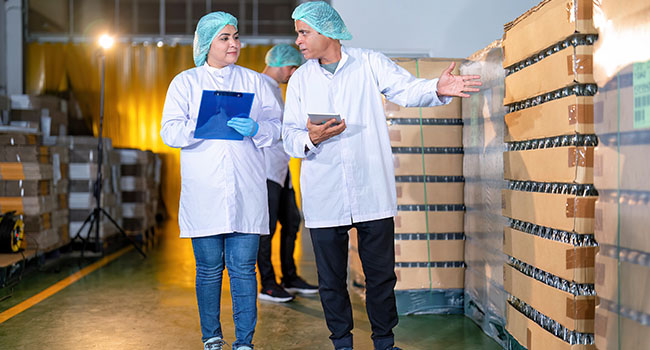
Warehouse lumping means hiring labor teams to load or unload freight at warehouses and distribution centers. These workers are commonly called lumpers. Their main job is to handle freight quickly and correctly so trailers can be cleared without placing all the physical work on warehouse staff or the truck driver.
In day-to-day warehouse operations, lumpers may unload pallets, sort cases, count items, and restack mixed or shifted freight. They often use pallet jacks and other basic tools to move product from the trailer to the loading dock or into a staging area. The process is usually arranged when the truck arrives and the receiving location confirms outside unloading help is needed.
Their key role is simple but important. They help keep freight moving, reduce dock congestion, and support quality control by making sure products are handled in an orderly way.
How lumper services support the pharmaceutical supply chain
A lumper service can support the pharmaceutical supply chain by taking over the labor-heavy parts of the unloading process. That allows warehouse teams to focus on inventory, inspection, and other tasks tied to product movement. When freight is unloaded faster, trailers spend less time waiting at the dock.
That creates better operational efficiency across the facility. Shorter unloading times can help reduce bottlenecks, keep arrival times on track, and improve the flow between inbound and outbound activity. In a business where timing matters, that kind of support has real value.
There is also a labor advantage. Instead of expanding internal crews for every shipment, warehouses can use lumping services when demand rises. This flexible approach helps manage labor shortages and labor costs while still keeping product moving through the supply chain.
How Lumper Services Operate in a Pharmaceutical Warehouse
Inside a pharmaceutical warehouse, a lumper service usually begins work once a trailer checks in and receives dock instructions. The team then handles the unloading process, moving freight from the truck to the warehouse facility while following site rules for dock operations and product handling.
Some sites use dedicated providers, while others may rely on flexible labor arrangements when volume changes. That can include warehouse temp labor in some operations. To understand the difference, it helps to look at the workflow first and then compare staffing models.
Step-by-step lumper workflow for unloading shipments
The unloading process starts when the truck driver arrives at the warehouse and checks in for the scheduled appointment. The facility assigns a door and shares any special instructions. If a lumper service is required, the unloading team is called to the loading dock to begin work.
From there, dock operations follow a basic sequence that keeps freight moving and supports operational efficiency. The exact steps may vary by facility and type of freight, but the structure is usually consistent.
- The truck driver checks in and receives a dock assignment.
- Lumpers review the shipment and any handling instructions.
- Freight is unloaded with pallet jacks or similar equipment.
- Products may be sorted, counted, or restacked if needed.
- A detailed lumper receipt is issued after the work is done.
Once unloading is complete, the driver collects proof of payment and moves to the next stop. That simple flow helps reduce delays and keep the dock clear.
Use of warehouse temp labor versus dedicated staff
Warehouses can handle unloading with warehouse temp labor, a lumper service provider, or dedicated staff. The difference usually comes down to flexibility, control, and labor costs. Dedicated staff may know the site well, while outside labor can help when shipment volume changes quickly.
For many facilities, the choice also affects payroll taxes, hiring needs, and scheduling pressure. If you only need extra hands at certain times, temporary help may be easier to scale. If your inbound flow stays steady, in-house teams may offer more consistency.
Option | Main Strength | Main Concern |
Warehouse temp labor | Flexible for changing volume | Training and consistency can vary |
Dedicated staff | Familiar with warehouse operations | Higher fixed labor costs |
Lumper service provider | Fast unloading support when needed | Fees must be managed clearly |
In pharma settings, the best choice depends on shipment frequency, handling rules, and how much unloading support the warehouse needs.

Unique Needs of Pharmaceutical Warehouses
Pharmaceutical warehouses have specific needs that set them apart from many other sites in the logistics industry. Speed matters, but safe handling matters just as much. Products may be sensitive, time-critical, or subject to strict process controls during receiving and storage.
Regulatory compliance also shapes how labor is used at the dock. Add cold chain requirements to the mix, and you can see why unloading medical freight is not a basic warehouse task. The next two sections explain those demands more clearly.
Compliance and safety protocols when handling medical products
Compliance and safety are central when handling medical products. In pharmaceutical settings, unloading must support product integrity while also protecting workers. That means procedures cannot be rushed, even when dock schedules are tight. A warehouse that uses outside unloading labor still needs clear rules and consistent oversight.
Safety matters on two levels. First, workers face a risk of injury from heavy lifting, shifting pallets, and fast-paced dock activity. Second, the products themselves must be protected from handling mistakes. Personal protective equipment and safe work practices help reduce both concerns during warehouse operations.
Regulations in the logistics industry raise the standard for labor providers. Facilities need partners that follow labor rules, maintain safe conditions, and work within site requirements. In practice, that means careful supervision, clear communication, and a structured unloading process from start to finish.
Cold chain requirements and specialized handling
Cold chain freight adds another layer of responsibility in pharmaceutical warehouses. Some products must stay within strict temperature control limits from arrival through storage. If unloading takes too long or handling is disorganized, the shipment can face a higher risk of damage.
That is why specialized handling matters. The unloading team must move product quickly, place it correctly, and avoid unnecessary delays at the dock. This is not only about speed. It is about protecting the condition of sensitive goods while they move from trailer to warehouse space.
In practical terms, cold chain work demands a disciplined process. Products may need immediate transfer, careful staging, and close coordination with warehouse staff. When a lumper service supports this correctly, it helps the facility maintain product quality and keep distribution on schedule.
Advantages of Lumper Services for Pharmaceutical Distribution
A lumper service offers clear benefits for pharmaceutical distribution, especially when warehouses need dependable unloading help without expanding their full-time workforce. These services help move freight faster, support organized receiving, and reduce pressure on internal teams during busy periods.
They can also improve supply chain efficiency when labor shortages make staffing harder. Instead of letting trailers sit and dock activity slow down, warehouses can bring in focused unloading support. The biggest advantages show up in speed, accuracy, and product protection.

Enhancing speed and efficiency in the pharmaceutical warehouse
One of the biggest reasons companies use lumping services is speed. When trained crews handle the unloading process, trucks can be cleared faster and dock doors become available sooner. That keeps warehouse operations from backing up and helps incoming freight stay on schedule.
The effect on efficiency is just as important. Internal teams can focus on inventory, quality checks, and order flow instead of spending all their time on heavy unloading tasks. This better division of labor helps the warehouse run more smoothly across the day.
That improvement reaches beyond the dock. Faster trailer turns support the wider supply chain by reducing wait times and helping distribution centers process more freight with less disruption. In pharmaceutical facilities, where timing and handling both matter, added speed supports more reliable performance across the operation.
Minimizing product damage and ensuring regulatory compliance
A good lumper service can help reduce product damage during unloading. Experienced workers know how to move freight, restack unstable pallets, and handle shipments in a more controlled way. That lowers the chance of crushed cases, misplaced items, or other receiving errors that interrupt warehouse flow.
This matters even more in pharma because damage can affect quality control and trigger extra paperwork or an insurance claim. If products arrive in poor condition or are handled carelessly, the cost goes beyond replacing freight. It can also delay downstream activity and create avoidable operational issues.
There are risks, of course. If labor is poorly managed, mistakes can still happen. That is why regulatory compliance, clear site procedures, and trusted supervision matter so much. The right unloading partner helps protect both the product and the process.
Conclusion
In conclusion, lumper services play a vital role in the pharmaceutical distribution landscape. By facilitating efficient unloading processes and ensuring that strict compliance and safety protocols are followed, these services help maintain the integrity of medical products throughout the supply chain. The unique needs of pharmaceutical warehouses require careful handling and specialized knowledge, making lumper services indispensable for enhancing speed and minimizing product damage. As you navigate the complexities of pharmaceutical distribution, understanding the role of lumper services can significantly impact your operations. If you’re interested in optimizing your pharmaceutical distribution process, don’t hesitate to reach out for a consultation!
Frequently Asked Questions
Who pays for lumper services in the pharmaceutical industry?
Lumper fees are often paid first by the truck driver at the warehouse during the unloading process, then reimbursed later based on the shipping agreement. Payment methods may include fleet payment tools or approved checks. A detailed lumper receipt is important because it serves as proof of payment.
Are there risks or downsides to using warehouse lumping in pharma distribution?
Yes, there can be risks. The unloading process may involve a risk of injury, and poor handling can lead to product damage or even an insurance claim. Labor shortages can also affect service quality. These issues are reduced when warehouses use clear procedures and dependable unloading partners.
What alternatives exist to lumper services in a pharmaceutical warehouse?
Common alternatives include using dedicated staff, expanding warehouse operations teams, or bringing in temp labor when volume rises. Each option can support the unloading process, but the right choice depends on labor needs, shipment frequency, and how much flexibility the warehouse wants in daily operations.

Haley serves as the Marketing Manager for Complete Quality Solutions. She joined CQS in 2023 with her prior experience gained with GXO and XPO Logistics.