Business Development
(224) 213-5119
General Information
(513) 776-1078

- By Haley
- July 30, 2026
Table of Contents
Key Highlights
- Lumpers support the supply chain by handling physical warehouse tasks that keep freight moving.
- In a 3PL setting, their work connects logistics services, order flow, and customer satisfaction.
- Good onboarding teaches safety, process accuracy, and inventory management from day one.
- Strong training improves speed, consistency, and teamwork across warehouse operations.
- Structured coaching lowers turnover and helps logistics providers control costs.
- The best programs use clear expectations, hands-on practice, and performance tracking.
Introduction
When people think about the supply chain, they often focus on trucks, software, or big distribution centers. Yet logistics operations also depend on the workers who unload, sort, and move freight safely. That is where lumpers come in. In many third party warehouse environments, especially within outsourced fulfillment networks, their role has a direct effect on speed, accuracy, and service quality. If you want better warehouse performance, you need to understand what strong lumper onboarding actually looks like.
Understanding Lumping Services and Their Role in 3PL
A lumper service supports freight handling inside warehouse and receiving environments. These workers help complete physical logistics activities such as unloading, sorting, staging, and preparing goods for the next step in the flow.
In third party logistics, or 3PL, companies outsource parts of supply chain management to specialists. That can include warehousing, transportation, order fulfillment, and inventory support. Lumpers fit into that model by helping warehouses move product efficiently, which supports broader logistics operations and keeps freight flowing without unnecessary delays.
What Is a Lumper?
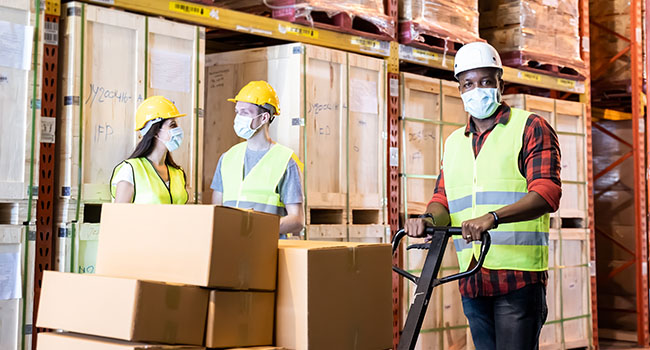
A lumper is a warehouse worker who handles the physical movement of freight, usually during inbound and outbound activity. In simple terms, a lumper service helps unload trailers, move pallets, sort products, and prepare shipments for the next stage. These tasks may sound basic, but they are central to warehouse operations.
In busy logistics services environments, time matters. If freight sits too long at a dock, the supply chain slows down. Lumpers help prevent that by moving goods quickly and safely so the warehouse can stay on schedule.
Within a 3PL operation, a lumper service is tied directly to outsourced warehouse support. Since a third party logistics provider may manage receiving, storage, and fulfillment for many clients, trained lumpers help keep those services consistent across accounts, locations, and shipping volumes.
Importance of Lumpers in Third-Party Logistics (3PL)
A 3PL helps businesses outsource warehousing, transportation, and fulfillment so they can focus on core competencies. That model works only when day-to-day execution is reliable. Lumpers are part of that foundation because they support the physical work that keeps freight moving.
For a logistics company, trained lumpers improve supply chain operations by reducing slowdowns at receiving and shipping points. That matters when demand changes, volumes spike, or warehouses need to scale quickly. Businesses use 3PL providers for cost savings, flexibility, access to expertise, and stronger service coverage.
There is also a direct link to customer satisfaction. If goods are unloaded late, stocked incorrectly, or staged poorly, delivery promises become harder to meet. Lumpers help protect speed and accuracy, which supports better warehouse output and helps the 3PL maintain dependable service for each client company.
How Lumpers Fit into Warehouse Operations
Inside warehouse operations, lumpers often work at the point where freight first enters or leaves the building. They help unload goods, separate items, stage pallets, and move products into the correct area. That gives warehouse teams a cleaner start to the day’s work.
Their role affects order fulfillment and inventory management more than many people realize. If incoming freight is handled poorly, inventory levels may be harder to track and stock may not be ready when needed. Good lumper work supports the flow of accurate information and physical product movement.
In many 3PL environments, warehouse staffing combines full-time employees, contract labor, and temp support based on volume. Lumpers fit into that structure by covering essential logistics functions that help the site stay flexible. With proper onboarding, they can plug into different workflows without slowing the warehouse down.
Common Duties and Expectations for Lumpers
Lumpers are expected to do more than move boxes. In many warehouses, they support fulfillment services by unloading inbound freight, separating products, staging items, and helping teams prepare shipments for the next process step. Their work touches important points in logistics operations every day.
At the same time, employers expect consistency, safe behavior, and attention to detail. Because their specific functions affect timing and product flow, even small errors can ripple through the supply chain. That is why clear training standards matter before workers are placed into active warehouse roles.
Key Responsibilities in Lumping Services
Lumping services cover hands-on warehouse tasks that support broader logistics activities. In a 3PL environment, common services can include warehousing, transportation, inventory support, order processing, and reverse logistics. Lumpers help the warehouse side of that system work smoothly by preparing goods for storage or movement.
Their responsibilities often connect directly to inventory levels and overall supply chain management. When freight is handled correctly at the dock, products are easier to track, store, and ship. When it is not, delays can spread fast.
Typical lumper responsibilities include:
- Unloading trailers and moving products into warehouse receiving areas
- Sorting freight by account, product type, or destination
- Staging goods for storage, replenishment, or outbound movement
- Supporting accurate handoff into order processing and inventory workflows
Warehouse Contract Labor: What Lumpers Handle
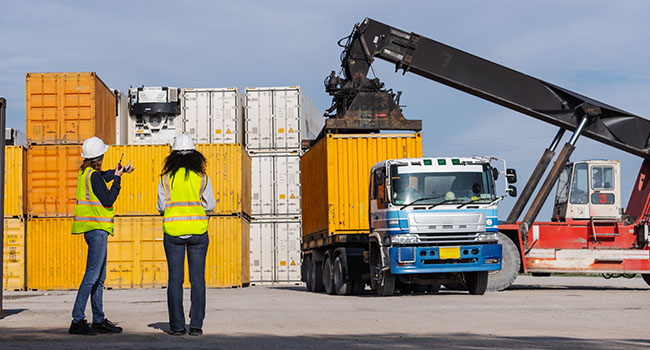
Lumpers are often part of warehouse contract labor because they perform physical tasks that can flex with demand. A third party operator may bring in extra help during peak receiving periods, shipping surges, or facility changes. That makes their role highly practical in fast-moving sites.
What they handle is usually tied to freight flow. This can include unloading inbound shipments, moving pallets, organizing dock areas, and supporting outbound logistics by preparing products for the next movement. Their work is less about office systems and more about direct product handling.
Because of that, onboarding for lumpers should be more task-specific than general contract labor orientation. They need clear training on dock safety, freight handling standards, workflow timing, and warehouse management expectations. The goal is not just to fill labor gaps, but to place workers who can support speed, control, and reliable execution.
Collaboration With Warehouse Temp Labor
Lumpers often work alongside temp labor, but the roles are not always the same. General temp labor may help with sweeping tasks across the building, while lumpers are usually assigned to freight handling at the dock or staging zones. That difference matters when a logistics company plans staffing coverage.
In daily operations, both groups need to coordinate with supervisors and permanent staff. Even when workers do not use warehouse management software directly, their actions affect the quality of the data inside those systems. A missed pallet or poorly staged load can create confusion later.
The main difference is specialization. Lumpers focus on the physical aspects of logistics tied to loading and unloading, while temp labor may rotate across broader support duties. Strong onboarding helps each group understand its place, use site rules correctly, and contribute with more industry expertise and fewer avoidable mistakes.
Why Quality Onboarding Matters for Lumpers
A rushed start creates problems fast. Since lumpers work at critical points in freight movement, poor preparation can hurt safety, accuracy, and timing. For a logistics provider, that can lead to missed expectations and weaker customer satisfaction.
Quality onboarding gives new workers the basics they need to perform well from the start. It also supports supply chain management by setting standard methods, clear expectations, and best practices across shifts and sites. The next sections break down how strong onboarding improves safety, efficiency, and long-term workforce stability.
Enhancing Safety and Security During Onboarding
Safety should be one of the first things a lumper learns. These workers operate around trailers, pallets, dock doors, and busy warehouse traffic. Without clear instruction, the chance of injury rises quickly. Good onboarding sets safe habits before bad ones can form.
Security matters too. In many facilities, goods move through multiple hands and across many client accounts. New hires need to understand site rules, restricted areas, and handling expectations so logistics operations stay controlled. That protects freight, workers, and service quality.
Better safety training also supports operational efficiency. When incidents drop, work flows more smoothly and teams lose less time to confusion or disruptions. For companies using outsourced supply chain solutions, that matters a great deal. Strong onboarding helps create a safer dock environment while supporting steady warehouse performance from the beginning.
Boosting Efficiency and Job Performance
Training is not only about rules. It is also about helping people do the job well. When lumpers understand the flow of freight, dock priorities, and staging standards, they can contribute faster to logistics services without creating extra rework for the rest of the team.
That improvement reaches beyond the warehouse floor. Faster unloading, cleaner staging, and better accuracy support the supply chain and help downstream teams meet service promises. In the end, better execution also supports customer service because delays at the dock can affect delivery outcomes.
A strong onboarding program boosts performance by teaching workers how to:
- Follow standard freight handling steps
- Work at pace without sacrificing safety
- Communicate issues before they disrupt operations
- Support operational efficiency across receiving and shipping activity

Reducing Turnover in 3PL Services
Turnover is expensive in third party logistics. Every time a worker leaves, the logistics company must recruit, train, and ramp up someone new. That creates gaps in coverage and adds pressure to supervisors and experienced staff. A weak first week often makes that cycle worse.
Structured onboarding helps staff retention because people perform better when they know what is expected. Clear instruction, hands-on support, and early feedback make the job feel manageable. Workers are more likely to stay when they understand the pace, the standards, and how their role fits the operation.
There are real cost savings here. Lower turnover reduces repeated training, lost productivity, and avoidable mistakes. It also gives the warehouse a more stable labor base, which is valuable when volumes rise or clients expect consistent output. Good onboarding helps both people and performance stay in place longer.
Step-by-Step: The Lumper Onboarding Process
A solid onboarding process follows a sequence, not a guess. New lumpers need screening, orientation, practical instruction, and supervised work before they are expected to perform independently. That structure helps logistics operations stay stable as new workers enter the site.
It also allows warehouses to apply best practices consistently across different shifts and service lines. In some facilities, workers may touch inbound freight, outbound support, or even product returns linked to reverse logistics. The next steps show what an effective onboarding path usually includes and why each stage matters.
Pre-Employment Screening & Interviews
Good onboarding starts before day one. Screening and interviews help a logistics provider identify workers who can handle the pace, physical demands, and structured environment of warehouse work. That first filter matters because the role affects real supply chain performance.
Interviews should set honest expectations. Candidates need to understand schedules, physical requirements, safety standards, and how the role supports freight movement. When people know what they are signing up for, the fit is usually stronger. That can improve attendance and early retention.
For supply chain management professionals, this stage is about reducing preventable mismatch. It is easier to build a reliable team when hiring focuses on readiness, not just immediate labor need. Strong pre-employment steps make the rest of the onboarding process more effective and create a better foundation for warehouse success.
Orientation Sessions and Initial Training
Orientation is where new hires learn how the site works. A logistics company should use this stage to explain warehouse rules, workflow basics, attendance expectations, and safety procedures. It is also the right time to show how the worker’s role supports the larger fulfillment process.
This early training should be practical and easy to follow. New lumpers do not need vague presentations. They need clear instructions on what they will do, where they will work, who they report to, and how success will be measured. That creates confidence and reduces early mistakes.
A good service provider uses orientation to establish best practices from the start. When standards are explained clearly, new workers can apply them faster in live operations. It also helps supervisors coach more consistently because everyone starts from the same baseline instead of guessing the correct method.
Hands-On Training With Equipment and Technology
After orientation, workers need direct practice in the real environment. Hands-on training helps lumpers learn traffic patterns, dock setups, staging methods, and the flow of freight. That matters more than theory alone because warehouse work depends on timing, space awareness, and correct movement.
Some lumpers may not spend all day inside a warehouse management system, but they still need basic technology training. Their work connects to software systems that track product location, receiving status, and workflow progress. If goods are staged incorrectly, the data trail can break down and hurt operational efficiency.
Hands-on training may include:
- Using dock procedures that align with the warehouse management system
- Learning how freight labeling or scan steps connect to software systems
- Practicing safe movement methods that support operational efficiency
Supervisory Shadowing and Performance Assessment
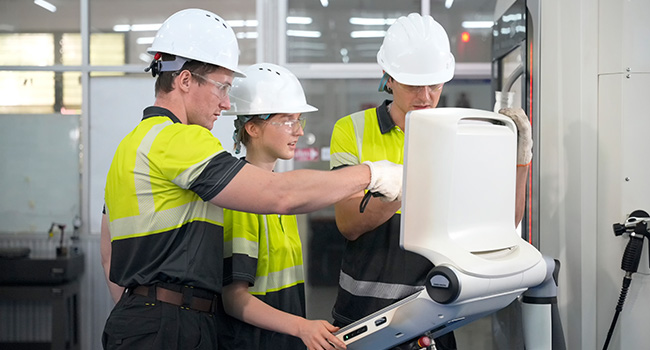
New workers benefit from time beside experienced supervisors or leads. Shadowing lets lumpers see the rhythm of the job, ask questions in context, and learn how standards are applied during actual shifts. It turns written instruction into practical habits.
This stage is also the right place for early performance assessment. Supervisors can watch for safe behavior, pace, accuracy, and communication. Those observations matter because small gaps in freight handling can create larger problems in supply chain operations if they go unchecked.
Good assessment should be simple and tied to real logistics activities. Managers do not need overly complex reviews at this point. They need clear performance metrics such as attendance, safety compliance, task accuracy, and ability to follow process. Early feedback helps workers improve quickly and gives the site a more dependable labor force.
Best Practices for Training Lumpers in 3PL Settings
Training works best when it matches the realities of the site. In 3PL environments, that means teaching workers how to handle changing volumes, different client needs, and shifting warehouse priorities without losing consistency. Good programs focus on repeatable training methods that support core logistics functions.
The strongest supply chain solutions do not rely on trial and error. They use best practices such as role-specific instruction, live coaching, and regular refreshers. Just as important, training should adapt to each warehouse environment while still protecting service standards across locations.
Adapting to Different Warehouse Environments
Not every site runs the same way. One building may focus on inbound freight, while another supports fast outbound movement or mixed client accounts. That means lumper training must fit the warehouse space, traffic flow, and service expectations of each operation.
This is especially important for 3PL providers that support various locations. A worker who succeeds in one building may still need guidance in another because layouts, dock processes, and distribution services can differ. Flexible training helps teams adjust without lowering quality.
Programs should prepare workers to adapt by teaching them how to:
- Read the flow of different warehouse space setups
- Follow site-specific rules across various locations
- Support changing logistics operations without losing safety or accuracy
Ongoing Skills Development and Compliance Training
Onboarding should not end after the first week. Warehouses change, client needs shift, and regulations evolve. Ongoing skills development helps workers stay effective as the operation grows. It also gives teams a chance to correct drift before poor habits become normal.
Compliance training is a big part of that effort. Since 3PL providers often work across multiple locations and customer requirements, they need workers who understand updated rules and site standards. Regular refreshers help protect consistency, safety, and service reliability.
For a business owner using outsourced support, this matters because steady logistics management depends on trained people, not just systems. Continuous development also builds industry expertise inside the workforce. That can improve execution, support stronger client relationships, and make it easier for facilities to handle changing volume or new service demands.

Integrating Lumpers Into Warehouse Teams
Training alone is not enough. Lumpers also need to be integrated into warehouse teams so the handoff between unloading, storage, and fulfillment services feels smooth instead of disconnected. When roles are clear, work moves with less confusion and fewer avoidable delays.
A logistics company gets better results when lumpers understand who they support, how to report issues, and where their tasks fit in the daily flow. Strong communication and visible leadership make that easier. The next sections look at team communication and the role of supervisors in successful integration.
Building Communication Between Lumpers and Warehouse Staff
Clear communication helps warehouses move faster. Lumpers need to know who to update when freight arrives, when staging issues appear, or when a dock problem could affect timing. If that information is missed, warehouse operations can fall out of sync quickly.
Good communication also strengthens relationships between temporary support and core staff. In a busy service provider environment, workers from different functions depend on one another. When expectations are spoken clearly, logistics services become more predictable and less stressful for everyone involved.
Teams can improve communication by:
- Using clear shift-start instructions and task priorities
- Reporting freight issues early to support warehouse operations
- Confirming handoffs between lumpers, receivers, and shipping staff
Role of Supervisors and Mentorship in Onboarding
Supervisors shape the quality of onboarding more than any checklist can. They set the tone, explain priorities, and correct mistakes before they grow into bigger operational problems. For lumpers, that guidance is especially important because the work is physical, fast, and tied to daily logistics activities.
Mentorship adds another layer of support. Pairing a new worker with an experienced lead or peer helps translate site rules into real behavior. It also gives the new hire someone to ask when small questions come up during the shift. That can improve confidence and reduce avoidable errors.
Strong supervisors and mentors help workers build core competencies faster. They reinforce safety, pace, communication, and process discipline in the moment, where learning sticks best. In warehouse environments, that kind of support often makes the difference between a short-term worker and a dependable team contributor.
Measuring Success of Lumper Onboarding Programs
You cannot improve onboarding if you do not measure it. Warehouses should track key performance indicators tied to safety, speed, accuracy, and retention. These numbers show whether training is helping real supply chain management outcomes or simply checking a box. They also support smarter performance assessment for both workers and site leaders.
If you are choosing a 3PL partner, ask how they train labor, track outcomes, and maintain service quality. A strong provider should care about security, compliance, customer experience, technology fit, and measurable execution. Use metrics like these to guide your review:
KPI | What It Shows |
Safety incidents | Whether onboarding reduces risky behavior early |
Productivity ramp-up | How quickly new lumpers reach expected output |
Accuracy rate | Whether freight is handled and staged correctly |
Turnover rate | How well the program supports retention |
Supervisor evaluations | Real-world performance assessment after training |
Metrics Used in 3PL Services
In 3PL services, metrics help turn labor performance into something visible and manageable. For lumper onboarding, the most useful key performance indicators are often tied to safety, speed, accuracy, and retention. These show whether new workers are helping or hurting warehouse flow.
A strong logistics provider does not stop at activity counts alone. It also looks at service quality. That means checking whether freight is unloaded correctly, whether staging errors drop over time, and whether dock work supports the next step without rework. Good metrics should connect to what matters in daily operations.
Some of these measures also affect delivery times. If freight handling is delayed at the start, downstream processes often slip as well. That is why onboarding metrics matter to more than HR. They help the warehouse, the client company, and the 3PL understand whether labor readiness is supporting reliable service.
Continuous Improvement and Feedback Mechanisms
Even a solid onboarding plan should keep evolving. Warehouses change, staffing patterns shift, and new client demands can expose weak spots in training. A continuous improvement mindset helps teams update processes before small issues become regular problems.
Feedback is a big part of that. Supervisors can share what new hires struggle with most, while workers can point out unclear instructions or workflow problems. That kind of two-way feedback makes training more practical and easier to apply on the floor. It also supports faster adjustment when site conditions change.
There is a wider benefit too. Better onboarding can improve customer experience by reducing delays and handling errors. It also supports stronger supply chain visibility because cleaner dock execution leads to cleaner process tracking. When providers review results often and act on what they learn, onboarding becomes a real operating advantage.
Conclusion
In conclusion, a well-structured onboarding program for lumpers is vital for ensuring their integration and success within 3PL services. By providing comprehensive training, fostering communication between lumpers and warehouse staff, and focusing on safety and efficiency, you can enhance performance and reduce turnover. Remember, the journey doesn’t end with initial training; ongoing development and feedback are essential to adapt to the dynamic nature of warehouse environments. Prioritizing these aspects will not only benefit your lumpers but also contribute to the overall efficiency and reliability of your logistics operations. If you’re looking to refine your onboarding process, reach out for a free consultation to explore tailored strategies that work best for your team.
Frequently Asked Questions
What is the difference between lumpers and general warehouse temp labor?
Lumpers usually focus on unloading, staging, and moving freight, while general warehouse temp labor may cover broader support tasks. For a logistics company or logistics provider, lumpers are more directly tied to dock activity and freight flow, which gives them a more specialized role in the supply chain.
How does onboarding for lumpers differ from other warehouse contract labor positions?
Onboarding for lumpers is usually more task-specific because their work centers on freight handling, dock safety, and pace. Unlike some warehouse contract labor roles, lumpers need focused training and best practices tied to unloading, staging, and workflow timing from the start.
Why do 3PL providers in the United States prioritize structured onboarding programs?
In the United States, 3PL providers prioritize structured onboarding programs because early mistakes can disrupt the supply chain, raise labor costs, and weaken service quality. Strong onboarding supports safer work, better retention, and more reliable supply chain management across warehouse and fulfillment operations.

Haley serves as the Marketing Manager for Complete Quality Solutions. She joined CQS in 2023 with her prior experience gained with GXO and XPO Logistics.