Business Development
(224) 213-5119
General Information
(513) 776-1078


- By Haley
- July 9, 2026
Table of Contents
Key Highlights
- Technology is reshaping warehouse management by improving speed, order accuracy, and operational efficiency across daily logistics operations.
- Smart warehousing combines automation, IoT solutions, RFID tags, and real time inventory tracking to strengthen supply chain visibility.
- Artificial intelligence and machine learning support demand forecasting, predictive maintenance, and better resource allocation in fulfillment centers.
- Warehouse automation reduces manual labor, lowers operational costs, and improves material handling and order fulfillment performance.
- 3PL providers use scalable solutions and integration tools to improve customer service, collaboration, and warehouse efficiency.
Introduction
Technology now sits at the center of supply chain management, and you can see its impact most clearly inside the warehouse. Faster shipping, growing order volumes, and rising customer expectations have pushed warehouse management to evolve quickly. Businesses need stronger operational efficiency, better inventory management, and clearer visibility across every step. That is why digital tools, automation, and intelligent systems matter so much. They help you move products faster, improve accuracy, and build a more responsive supply chain.
The Role of Technology in Modern Logistics
In modern supply chain management, technology helps connect planning, storage, picking, packing, and shipping into one coordinated flow. That matters because logistics operations now face tighter delivery windows and higher demand. With better systems in place, you can improve efficiency while keeping customer satisfaction in focus.
Just as important, warehouse automation improves efficiency in logistics operations by reducing repetitive work, speeding order processing, and guiding inventory movement with more accuracy. These tools support faster decisions, better resource utilization, and smoother daily execution. To understand that impact, it helps to look first at what is changing inside the warehouse itself.
How Digital Transformation Impacts Warehouse Operations
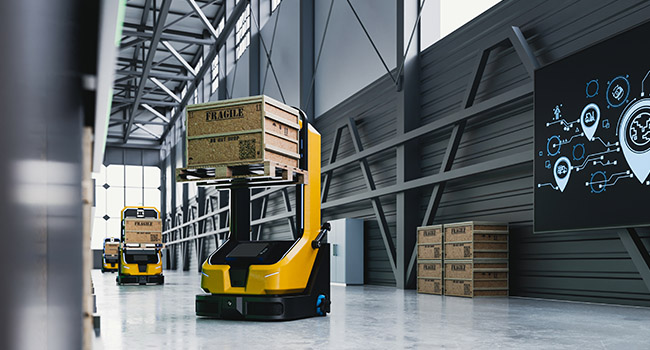
Digital transformation is changing warehouse management from a mostly manual function into a data-driven part of the supply chain. Instead of relying on paper records or disconnected tools, businesses now use management software to track inventory data, monitor workflows, and respond faster to changing demand. This shift creates better operational efficiency and fewer delays.
Smart warehousing is a clear example of that change. It blends software, automation, sensors, and connected systems to improve how goods are stored, moved, and picked. Technology is transforming it by linking the physical warehouse with digital insights, so teams can make better decisions in real time.
At the same time, digital tools support layout planning, order processing, and equipment monitoring. They help reduce wasted movement, improve order accuracy, and give managers stronger control over warehouse tasks. As digital transformation grows, the warehouse becomes more agile, visible, and productive.
Key Drivers for Adopting Advanced Warehouse Technology
Companies adopt advanced warehouse technology because pressure keeps rising from both customers and the market. You need faster fulfillment, fewer mistakes, and better visibility to stay competitive. In many operations, older methods cannot support the speed or consistency required. New systems help close that gap and improve operational efficiency.
Third-party logistics providers use technology in their warehouses for the same reason. They manage multiple clients, shifting order volumes, and strict service expectations. Technology helps them deliver stronger order accuracy and a better customer experience at scale.
Common drivers include:
- The need to improve order accuracy and reduce costly mistakes
- The push to gain a competitive advantage through faster service
- Rising expectations around customer experience and delivery speed
- The need for scalable solutions that support changing business volume
Latest Technologies Used in Warehouse Logistics
The latest technologies used in warehouse logistics include automation systems, robotics, IoT devices, cloud-based management platforms, computer vision, and tools powered by machine learning. These solutions are helping warehouses respond to higher order volumes with better speed and control.
You also see major gains from real time inventory tracking, predictive analytics, and smarter warehouse management software. Together, these systems improve inventory tracking, reduce manual labor, and support more accurate decisions across daily operations. The next sections break down how each technology works in practice.
Automation Systems: Conveyors, Sorters, and Robotics
Some of the most commonly implemented automation in modern warehouses includes conveyor systems, sorters, and robotics. These tools handle high-volume movement and reduce the need for employees to spend time on repetitive transport work. That makes warehouse automation a practical step for faster logistics operations.
Conveyor systems move goods between receiving, storage, packing, and shipping areas with consistent speed. Sorters direct items to the correct lanes or destinations, which helps reduce delays and supports order processing accuracy. When order flow increases, these systems help maintain steady throughput.
Robotics adds another layer of support. Robots can transport items, assist with picking, and perform routine tasks that would otherwise require constant human intervention. In busy facilities, this improves resource utilization and lowers the strain on warehouse workers. The result is smoother movement, fewer bottlenecks, and stronger operational performance.
Smart Warehousing Solutions: IoT and Real-Time Tracking
Smart warehousing uses connected systems to create better visibility across the warehouse. It combines IoT solutions, sensors, RFID tags, and software to monitor products, equipment, and workflows in real time. This is how technology is transforming smart warehousing into a more responsive and accurate operating model.
With real time inventory tracking, you can see where items are stored, when stock levels change, and whether equipment is operating as expected. That reduces blind spots and makes it easier to respond before small issues grow into bigger delays. Better inventory tracking also supports stronger order accuracy.
These tools do more than report data. They help automate scans, update records instantly, and improve coordination between physical activity and warehouse management software. As a result, teams spend less time searching, checking, or correcting errors. You gain a clearer picture of operations from receiving to shipping.
Artificial Intelligence and Machine Learning Integration
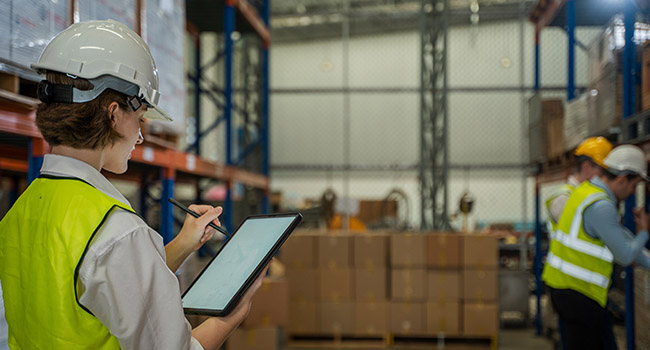
Artificial intelligence and machine learning are among the strongest current trends in technology for warehouse logistics. They help systems learn from inventory data, order history, and operating patterns. That allows warehouses to move from reacting to problems toward predicting them. In turn, you improve supply chain efficiency and daily decision-making.
These technologies are especially useful in predictive analytics and demand forecasting. AI can identify seasonal changes, item popularity, and order trends, then recommend better stock placement or labor planning. It can also flag orders at risk of delay and support faster corrective action.
Key uses include:
- Predictive analytics for spotting delays, bottlenecks, or equipment issues
- Demand forecasting to align inventory levels with expected customer orders
- Smarter routing and slotting to improve speed, accuracy, and labor use
Cloud-Based Management Platforms for Enhanced Visibility
Cloud-based management platforms are one of the latest technologies used in warehouse logistics because they make information easier to access and use. Instead of working in isolated systems, teams can view warehouse activity through connected dashboards and shared data. That improves visibility across supply chain operations.
A strong warehouse management software platform can bring together inventory data, fulfillment activity, labor information, and equipment status in real time. This helps managers spot slowdowns, track stock levels, and make faster adjustments. When data is current, decisions become more reliable.
Cloud-based management also supports growth. As operations expand, you can add users, locations, and tools without rebuilding everything from scratch. Regular updates help businesses access new capabilities such as predictive analytics, automation support, and stronger reporting. For warehouses that need flexibility, cloud systems offer a practical path forward.
How Warehouse Automation Improves Logistics Efficiency
Warehouse automation improves logistics efficiency by moving goods faster, reducing delays, and helping teams manage rising order volumes with more consistency. It supports better material handling, smoother workflows, and quicker responses when demand changes. That makes daily operations easier to control.
It also lowers operational costs by cutting wasted motion, reducing errors, and improving resource utilization. Instead of using labor for routine movement or repeated checks, businesses can focus people on higher-value work. The details become even clearer when you look at movement, accuracy, and fulfillment speed.
Streamlining Material Handling and Movement
Automation improves logistics operations by making material handling more direct and predictable. Instead of relying only on manual transport, warehouses use conveyors, robots, and guided systems to move products between storage, packing, and shipping areas. This increases speed and reduces unnecessary travel.
That matters because movement takes up a large part of warehouse time. When systems route items efficiently, teams spend less effort crossing long distances or searching for products. Better use of warehouse space also helps by placing inventory where it supports faster order processing.
Another benefit is flow. Automated movement reduces congestion and helps goods pass through the warehouse in a more organized way. Orders can be picked, packed, and staged with fewer interruptions. If your goal is faster turnaround without adding chaos, streamlined material handling is one of the clearest gains from warehouse automation.
Reducing Human Error in Warehouse Operations
Automation systems work within the warehouse logistics process by using software, scanners, sensors, and machines to complete or support tasks with less human intervention. They guide products through picking, sorting, checking, and movement steps based on live data. This structure helps reduce variation in warehouse operations.
Human error often appears in manual entry, item selection, labeling, or inventory updates. Automation lowers that risk by verifying information as work happens. Computer vision, barcode scanning, and system-driven workflows can catch the wrong product, the wrong location, or the wrong label before it affects the shipment.
That leads to better order accuracy and fewer costly corrections. Teams also gain more confidence in inventory data because updates happen automatically. Reducing human error does not remove people from the process. It gives them stronger tools, supports operational excellence, and helps maintain consistency even during peak demand.
Increasing Speed in Order Fulfillment Processes
Speed matters in order fulfillment because every delay affects the wider supply chain and the customer experience. Automation helps by shortening the time between receiving an order and shipping it out. It can optimize picking paths, move items faster, and reduce pauses between steps.
AI-driven systems also learn which products are often ordered together. That insight supports better slotting, so commonly paired items are stored close to one another. When workers or robots travel less, process speed improves and the fulfillment process becomes more efficient.
Faster execution should not come at the expense of quality. The best automation supports both speed and order accuracy, which is essential for customer satisfaction. Customers notice when shipments arrive on time and match what they ordered. That is why warehouse technology has become such a critical part of modern fulfillment performance.

Enhancing Supply Chain Visibility Through Technology
Technology improves supply chain visibility by giving you real time access to inventory tracking, order flow, and equipment status. Instead of waiting for delayed updates, managers can see what is happening as it happens. That creates stronger transparency across operations.
This visibility also helps optimize inventory management in warehouses. With better data analytics, businesses can track stock movement, detect shortages, and respond to changes faster. When inventory data is accurate and current, planning becomes easier. The following sections show how tracking, analytics, and system integration make that possible.
Real-Time Inventory Tracking and Monitoring
Real time inventory tracking helps optimize inventory management in warehouses by showing where products are, how quickly they are moving, and when inventory levels change. That level of visibility makes it easier to avoid stock issues and keep supply chain operations running smoothly.
RFID tags, barcode scans, and connected systems update records as items move through receiving, storage, picking, and shipping. You do not need to wait for a manual count to know what happened. The system reflects activity as it occurs, which supports faster decisions and fewer surprises.
This kind of monitoring also improves coordination. Teams can replenish faster, prioritize urgent orders, and verify whether products are available before making commitments. For warehouses handling large volumes, real time tracking reduces uncertainty in a big way. It turns inventory management from a reactive task into a controlled, measurable process.
Data Analytics for Predictive Insights
Current trends in warehouse logistics point strongly toward data analytics and predictive analytics. Warehouses now use large sets of inventory data and operating information to anticipate what may happen next, not just review what already happened. That shift helps improve supply chain efficiency.
Predictive insights support better demand forecasting, labor planning, and inventory decisions. AI can learn seasonal cycles, identify spikes, and compare current activity with historical patterns. It can also estimate how long it may take to pick, pack, and ship orders, helping teams act before service levels slip.
Practical benefits include:
- Better demand forecasting based on trends, seasonality, and item popularity
- Earlier detection of delays, bottlenecks, or orders at risk
- Smarter inventory planning that aligns stock levels with expected demand
Integration Between Warehouse Technology and Transportation
Integration between warehouse technology and transportation strengthens the entire supply chain. When warehouse systems share live information with shipping and fleet management tools, teams can plan outbound activity with fewer delays. This is especially valuable for 3PL services, which often coordinate many customers, carriers, and order priorities at once.
That connected view improves dock scheduling, shipment readiness, and communication across transportation partners. It also helps logistics providers reduce confusion between what is packed, what is staged, and what is ready to leave. Better integration creates smoother handoffs from warehouse to delivery.
Here is a simple view of how integration supports transportation:
Warehouse Technology Function | Transportation Benefit |
Real time order status | Better shipment scheduling and fewer dispatch delays |
Inventory visibility | More accurate load planning and carrier coordination |
Automation and scanning | Faster confirmation of packed and ready orders |
Shared data platforms | Improved communication across 3PL and carrier networks |
Optimizing Inventory Management with Warehouse Technology
Warehouse technology helps optimize inventory management by improving visibility, automating updates, and giving managers better control over stock levels. When inventory data is accurate, you can plan replenishment, picking, and storage with more confidence. Management software turns that information into action.
It also supports better resource allocation. Teams know where inventory sits, what needs attention, and how demand is shifting. That means less overstock, fewer shortages, and smarter use of labor and storage space. The next sections focus on replenishment, control, and auditing.
Automated Stock Replenishment Systems
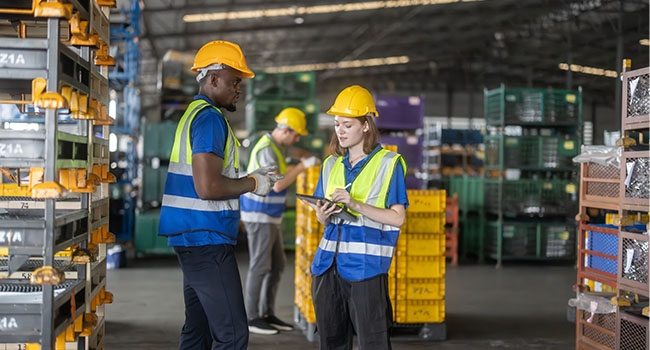
Automated stock replenishment helps optimize inventory management by responding to inventory changes as they happen. When stock levels drop, the warehouse management system can trigger replenishment tasks without waiting for a manual review. That keeps picking locations ready and reduces the chance of delay.
Automation is especially useful in high-volume environments where products move quickly. It supports steady flow between reserve storage and active picking zones, which helps maintain order fulfillment speed. Managers can also use system rules and historical patterns to decide when replenishment should occur.
There is another advantage here. A connected warehouse management system can also work alongside predictive maintenance insights from equipment data. If a conveyor or robot shows signs of strain, teams can act early and protect replenishment flow. This improves reliability while supporting stronger inventory management across the warehouse.
Smart Inventory Control for Reducing Out-of-Stocks
Smart inventory control reduces out-of-stocks by using better data, stronger visibility, and faster response rules. Instead of depending only on fixed reorder points, businesses can use management software to adjust decisions based on current demand and movement patterns. That creates a more flexible approach.
Predictive analytics strengthens this process by learning from sales history, seasonality, and changing order behavior. If certain items are likely to surge, the system can alert managers before shelves run low. That helps warehouses maintain stock where it matters most.
Avoiding out-of-stocks is not just about inventory accuracy. It directly affects customer satisfaction. When the right product is available at the right time, orders move without interruption and service stays reliable. In that way, smart inventory control supports both warehouse efficiency and the customer experience you want to deliver.
Cycle Counting and Audit Trail Improvements
Cycle counting becomes easier when technology updates inventory data continuously. Instead of stopping operations for large physical counts, warehouses can check smaller sections on a regular basis. This reduces disruption while helping teams keep records aligned with actual stock.
Digital systems also create a stronger audit trail. Every scan, movement, adjustment, and transaction can be recorded automatically, making it easier to trace what happened and when. If there is a discrepancy, managers can review the process instead of relying on guesswork.
That level of detail supports order accuracy and better data security. Accurate records reduce the risk of shipping mistakes, while controlled system access helps protect sensitive information. Over time, better cycle counting and clearer audit trails give businesses more trust in their numbers. That trust improves decisions across purchasing, storage, and fulfillment.
Key Types of Automation in Modern Warehousing
The most common types of warehouse automation in modern warehousing include robotics, conveyor systems, autonomous vehicles, and automated storage tools. These automated systems handle movement, picking support, sorting, and storage tasks that once relied heavily on manual labor.
Each type improves efficiency in a different way. Some reduce travel time, others maximize storage density, and some improve visibility through faster checks. Together, they help warehouses process more orders with better consistency. Let’s look at three important examples now.
Autonomous Mobile Robots and AGVs
Autonomous mobile robots and AGVs are among the most commonly implemented automation tools in modern warehouses. They move inventory between locations, support picking workflows, and reduce the need for workers to spend time on repeated transport tasks. That creates clear gains in operational efficiency.
These systems differ from older fixed-path machines because AI can help them adapt to changing conditions. They can choose better routes, avoid congestion, and respond to obstacles on the floor. In active warehouses, that flexibility is valuable because layouts and priorities shift through the day.
For order picking, autonomous mobile robots can bring goods closer to workers or carry completed picks to the next station. This reduces walking time and helps employees focus on accuracy and pace. As a result, warehouses can improve throughput while using labor in a more productive way.
Automated Storage and Retrieval Systems (AS/RS)
Automated storage and retrieval systems are another key form of warehouse automation. These systems place and retrieve goods from defined storage locations with minimal manual handling. They are especially useful when businesses want to use warehouse space more efficiently.
Because AS/RS can operate in dense layouts, warehouses can store more inventory in the same footprint. That matters when storage space is limited or when fast-moving products need organized access. The system knows exactly where items are stored, which reduces searching and improves consistency.
Order accuracy also benefits from this structure. When products are stored and retrieved through controlled system logic, there is less risk of picking from the wrong location. For operations dealing with large item counts or high order volumes, automated storage brings stronger control, better space use, and more reliable execution.
Drones and Wearables for Inventory Management
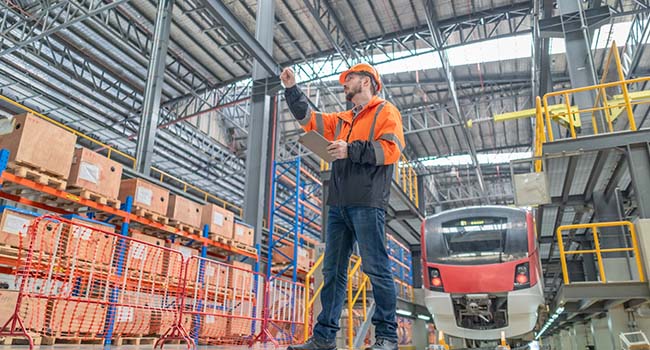
Drones and wearables are part of the latest technologies used in warehouse logistics, especially for inventory management and worker support. While they do not replace core warehouse systems, they can improve visibility, speed, and safety in targeted tasks. This makes them useful in high-activity facilities.
Drones can help scan upper storage areas and verify inventory without requiring workers to pause other tasks or use equipment for every check. Wearables support warehouse workers by delivering directions, confirmations, or task details in real time. That reduces delays and improves workflow control.
Practical uses include:
- Drones for faster stock checks in hard-to-reach storage locations
- Wearables for real time task guidance and hands-free process support
- Better inventory management through quicker updates and reduced disruption
Third Party Logistics (3PL) and Technology Adoption
Third party logistics providers play a major role in advancing warehouse technology because they manage complex supply chain demands for many clients at once. To meet service expectations, 3PL companies often adopt tools that improve speed, accuracy, and visibility across shared operations.
This technology adoption helps logistics providers scale faster and operate more consistently. It also pushes innovation into the wider market by proving what works in real warehouses. To see that clearly, it helps to examine the systems 3PL firms use, how they integrate them, and what benefits clients gain.
Top Warehouse Technology Solutions Used by 3PL Providers
3PL providers use technology in their warehouses to handle changing order volumes, multiple client needs, and strict delivery targets. They rely on warehouse technology that improves coordination and makes order fulfillment easier to manage at scale. Flexible tools matter because every client may require different processes.
Management software is a core part of that setup. It helps 3PL providers track inventory, manage workflows, and maintain visibility across warehouses and customer accounts. Many also adopt automation and data tools that can expand as business grows, making scalable solutions especially valuable.
Common solutions include:
- Warehouse management software for inventory control and workflow oversight
- Automation systems that improve order fulfillment speed and consistency
- Cloud-based platforms that support scalable solutions across locations
Enhancing Collaboration in Outsourced Logistics Through Integration
In outsourced logistics, integration is essential because different companies must work as one connected operation. When warehouse systems, client platforms, and shipping tools share information, supply chain operations become easier to coordinate. That leads to better timing, stronger visibility, and fewer communication gaps.
3PL services advance warehouse technology by building these connected environments. They help clients gain access to tools and data they may not have developed on their own. Through data analytics and shared reporting, both sides can track performance, identify issues, and improve processes over time.
This also improves customer service. If inventory status, order progress, and shipment readiness are visible to everyone involved, updates are faster and more accurate. That reduces confusion and supports trust between provider and client. Good integration turns outsourced logistics into a more transparent and responsive partnership.
Benefits of 3PL Partnerships for Scaling Warehouse Efficiency
3PL partnerships help businesses scale warehouse efficiency without building every capability internally. Because third party logistics providers already operate advanced systems, clients can access stronger processes, trained teams, and better tools more quickly. This can support growth while reducing pressure on internal resources.
Technology is a big part of that value. Many 3PL providers invest in automation, cloud systems, and analytics that improve order processing and daily execution. Those investments are spread across multiple clients, which can create cost savings while still supporting operational excellence.
Key benefits include:
- Faster order processing through proven warehouse systems and workflows
- Cost savings from shared technology, labor, and facility resources
- Better warehouse efficiency through scalable operations and expert support
Best Practices for Implementing Warehouse Technology
The best practices for warehouse technology implementation start with clarity. You need to understand your operational needs, define goals, and choose tools that solve real problems. Technology works best when it supports a clear business purpose, not when it is added just because it is new.
It is also important to think long term. Strong implementation plans include employee support, realistic testing, and scalable solutions that can grow with the business. The sections below cover the practical steps that help new systems deliver value over time.
Assessing Operational Needs and Setting Clear Objectives
One of the most important best practices is to begin with your operational needs. Before choosing any system, look at where delays, errors, or wasted effort appear in the warehouse. That helps you focus on the problems that matter most. It also prevents buying tools that do not fit real workflows.
Next, set clear objectives. You may want to improve order accuracy, reduce processing time, strengthen inventory control, or support better resource allocation. Specific goals make it easier to choose the right management software and measure results later.
A practical implementation should connect each technology choice to a measurable outcome. If the goal is faster fulfillment, define what faster means. If the goal is fewer mistakes, establish a baseline first. Clear objectives help teams stay aligned and give leadership a better way to evaluate progress after launch.
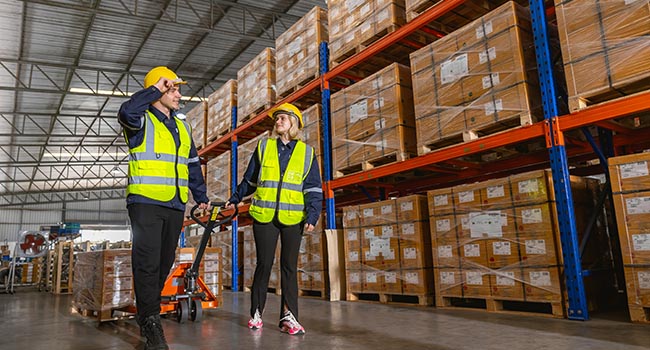
Training and Change Management for Staff
Even the best system can fail if people are not prepared to use it. Training and change management are essential best practices because warehouse workers need confidence, clarity, and support during implementation. New systems often change routines, roles, and expectations, so guidance must be built into the rollout.
Good training improves operational efficiency by reducing confusion and helping teams adopt new workflows faster. It also protects customer support and service performance during the transition. When employees understand the reason for the change, adoption tends to improve.
Useful steps include:
- Provide hands-on training before full rollout of new systems
- Explain how technology supports workers instead of replacing them
- Gather feedback early so teams can report problems and improve use
Building Scalable and Future-Proof Technology Infrastructure
A strong technology infrastructure should support current needs without blocking future growth. That is why scalable solutions matter. As order volume rises or operations spread to new locations, your systems should expand without forcing a complete restart. This is a core best practice for long-term success.
Warehouse management software plays a central role here because it connects inventory, workflows, reporting, and automation. If that foundation is flexible, it becomes easier to add new tools such as robotics, predictive analytics, or advanced tracking capabilities later. Planning ahead saves time and reduces disruption.
Data security also needs attention from the start. Connected systems handle large amounts of operational and customer information, so protection matters across supply chain operations. Access controls, reliable platforms, and clear data governance help businesses build infrastructure that is both scalable and dependable.
Emerging Trends in Warehouse Technology and Logistics
Emerging trends in warehouse technology and logistics are centered on smarter decisions, higher automation, and better visibility. Businesses are moving beyond basic digital tracking toward new systems that can predict demand, detect issues early, and adjust operations more quickly.
Predictive analytics is a big part of this shift, but it is not the only one. AI, blockchain, and green technology are also gaining attention because they improve transparency, accuracy, and resource use. The next three sections highlight these trends and why they matter.
AI-Powered Predictive Analytics in Logistics
AI-powered predictive analytics is one of the clearest current trends in warehouse logistics. It uses artificial intelligence to review large volumes of operational data and identify patterns that people might miss. This helps logistics operations move from reactive management toward proactive planning.
Demand forecasting is a major benefit. AI can analyze seasonal spikes, changing order behavior, and historical trends to estimate what inventory and labor will be needed. It can also warn teams about delays, service risks, or equipment issues before they become serious problems.
Another emerging use is managing energy usage. AI-supported systems can adjust lighting, heating, and cooling based on real time activity in different warehouse areas. That helps reduce waste and supports cost control. When predictive analytics is applied well, it improves both performance and operational discipline across the facility.
Blockchain for Supply Chain Transparency
Blockchain is emerging as a tool for stronger supply chain transparency because it can support clearer, more traceable records across connected operations. In warehouse and logistics environments, that kind of visibility matters when many parties handle the same products and data.
For supply chain management, better record integrity can improve confidence in movement history, handoffs, and fulfillment information. This is useful when businesses want stronger oversight across order fulfillment and related transactions. Clear records can help reduce confusion and support accountability.
Data security is also part of the discussion. As warehouses depend more on connected systems, businesses want technology that protects information while improving trust. Blockchain is being watched closely for that reason. While it is still an emerging trend, its potential value sits in transparency, traceability, and more secure data exchange.

Green Technology and Sustainable Logistics
Green technology is becoming a stronger part of sustainable logistics because warehouses use large amounts of electricity and physical resources. As businesses look for better performance, they are also trying to reduce waste and lower the environmental impact of the supply chain.
AI-supported systems can help manage energy usage by adjusting lighting, heating, and cooling based on real time activity. If a warehouse zone is not active, the system can reduce power use there. These changes are practical, not just symbolic, because they can produce real cost savings.
Sustainability also connects to efficiency. Better inventory planning can reduce spoilage, while smarter warehouse workflows can limit unnecessary movement and wasted effort. In that way, green technology supports both environmental goals and business performance. It is one of the more practical emerging trends shaping logistics today.
Conclusion
In conclusion, embracing technology in logistics is not just a trend; it’s a necessity for improving efficiency and supply chain performance. By leveraging advanced warehouse technologies, businesses can streamline operations, enhance visibility, and achieve better inventory management. From automation systems to AI integration, the benefits of these innovations are evident in the increased speed of order fulfillment and reduced human error. As the logistics landscape continues to evolve, remaining adaptable and open to technological advancements will be crucial for staying competitive. Don’t hesitate to explore how these technologies can transform your logistics processes and elevate your business to new heights. For personalized support, get a free consultation with our experts today!
Frequently Asked Questions
How do automation systems work within the warehouse logistics process?
Warehouse automation works by using software, sensors, scanners, and machines to guide material handling and movement through logistics operations. These systems manage routine tasks such as sorting, transport, and verification with less human intervention, helping warehouses improve speed, consistency, and accuracy across daily workflows.
What role do 3PL services play in advancing warehouse technology?
Third party logistics providers help advance warehouse technology by investing in systems that improve speed, visibility, and customer service across shared operations. Because logistics providers support multiple clients, they often adopt scalable tools sooner, helping businesses access better warehouse technology while controlling operational costs.
What best practices should companies follow when adopting warehouse technology?
Best practices include assessing operational needs, setting clear goals, testing new systems before wider rollout, and prioritizing employee training. Companies should also plan for change management and future growth. When warehouse technology matches business needs, it is far more likely to improve operational efficiency.

Haley serves as the Marketing Manager for Complete Quality Solutions. She joined CQS in 2023 with her prior experience gained with GXO and XPO Logistics.