Business Development
(224) 213-5119
General Information
(513) 776-1078


- By Haley
- June 11, 2026
Table of Contents
Key Highlights
- On-demand travel labor provides flexibility to scale your workforce up or down based on seasonal demand and production needs.
- This model helps optimize manufacturing labor costs by reducing expenses tied to overtime, idle time, and full-time benefits.
- Access a pool of skilled workers for specialized tasks in your supply chain, from inventory management to order fulfillment.
- Improve the efficiency of your warehouse operations and logistics operations by quickly filling critical roles.
- Meet fluctuating labor needs without the long-term commitment of traditional hiring, ensuring smooth production.
Introduction
Are you looking for a more agile way to manage your workforce? In today’s fast-paced market, manufacturing and warehouse facilities face constant pressure to adapt to changing demands. The traditional model of hiring permanent staff isn’t always the most efficient or cost-effective solution. On-demand travel labor offers a flexible alternative, helping you optimize your warehouse operations and manufacturing labor to keep your supply chain running smoothly. This approach allows you to bring in skilled workers exactly when you need them, providing a powerful solution for modern challenges.
Understanding On-Demand Travel Labor in Manufacturing and Warehousing
On-demand travel labor is a flexible staffing solution where skilled workers are hired for specific projects or periods to meet fluctuating business needs. This approach is particularly effective in manufacturing and warehousing, where demand can be unpredictable. Instead of maintaining a large, permanent workforce, you can bring in temporary warehouse staff to manage peak seasons, special projects, or unexpected staff shortages, ensuring your order fulfillment process remains efficient.
This model is transforming supply chain management by offering an agile alternative to traditional hiring. While the terms “warehouse associate” and “warehouse worker” are often used interchangeably, associates may sometimes handle a broader range of tasks, including customer-facing duties. However, both roles are crucial for seamless warehouse operations. Up next, we will explore this concept further.

Defining On-Demand Travel Labor for Facilities
A flexible approach to staffing, on-demand travel labor meets the unpredictable needs of manufacturing and warehouse facilities. This model allows organizations to quickly engage skilled warehouse workers who can navigate various tasks, from inventory management to order fulfillment, based on immediate operational demands. By leveraging a pool of trained team members, facilities can enhance efficiency, effectively manage logistics operations, and ultimately improve customer satisfaction. The convenience of on-demand labor streamlines the hiring process, ensuring that warehousing environments are optimized for peak performance while adhering to safety protocols and quality standards.
Key Differences from Traditional Labor Models
Unlike traditional labor models that focus on hiring permanent, full-time employees, on-demand travel labor offers a more flexible and temporary arrangement. Traditional hiring involves a lengthy process of recruiting, interviewing, and onboarding, which can be slow and costly. In contrast, on-demand solutions provide quick access to pre-vetted warehouse staff when you need them most.
This flexibility is a significant advantage. With traditional models, you might have to pay for idle time during slow periods or struggle to find enough workers during a sudden surge in demand. An on-demand warehouse associate can be brought in specifically for peak seasons or projects, helping you manage your labor costs more effectively and keep your supply chain moving.
Many companies partner with specialized staffing agencies to access this talent pool. These agencies handle the hiring, payroll, and logistics, making it simple for you to get the logistics services and skilled labor you require without the administrative burden. This allows you to focus on your core operations while having a reliable source for temporary workers.
Common Industries Using On-Demand Labor
On-demand labor is not limited to a single industry; its flexibility makes it a valuable asset across various sectors. Any business with fluctuating demand or seasonal peaks can benefit from this agile staffing solution. It allows companies to scale their manufacturing labor and warehouse operations efficiently, adapting to market changes without the overhead of a large, permanent workforce.
From e-commerce fulfillment centers to automotive manufacturing plants, the applications are widespread. Logistics providers, for example, often rely on on-demand workers to manage surges in shipping volumes, especially during holiday seasons. This adaptability is crucial for maintaining a responsive and efficient supply chain.
Some of the most common industries that leverage on-demand labor include:
- Retail and E-commerce: To handle seasonal spikes in online orders.
- Food and Beverage: For managing production needs during harvest seasons or promotional events.
- Third-Party Logistics (3PL): To provide flexible staffing for their various clients’ needs.
- Automotive Manufacturing: To support specific projects or manage shifts in production schedules.
Core Responsibilities of Warehouse Travel Labor Staff
The responsibilities of on-demand travel labor staff are centered on ensuring smooth and efficient warehouse operations. These workers are expected to step into various roles and quickly adapt to your facility’s procedures. A typical warehouse worker job involves everything from receiving goods to preparing them for shipment, making them a vital part of the order fulfillment process.
Their duties often mirror those found in any standard warehouse worker job description, ensuring that all logistical tasks are handled with precision and care. They pick, pack, and label orders, operate equipment, and help maintain a safe and organized workspace. We’ll now take a closer look at some of these specific responsibilities.
Inventory Management and Material Handling
A key responsibility for on-demand labor is effective inventory management. This involves accurately receiving, inspecting, and storing incoming goods. These workers ensure that products are placed in the correct locations within the warehouse, making them easy to find for order fulfillment. They may also use warehouse management software to update inventory records, reporting any discrepancies or damage immediately.
Material handling is another critical function. This includes the physical movement of products within the facility. On-demand staff are often skilled in operating various types of warehouse equipment to move goods safely and efficiently. Accurate demand forecasting can help determine the number of workers needed for these tasks, ensuring you are always adequately staffed.
Specific material handling and inventory tasks include:
- Operating forklifts, pallet jacks, and other machinery to transport items.
- Conducting regular inventory counts to maintain record accuracy.
- Organizing stock to optimize warehouse space and accessibility.
Packing, Packaging, and Shipping Roles
The final stages of order fulfillment—packing, packaging, and shipping—are crucial for customer satisfaction, and on-demand warehouse staff play a significant role here. Proper packing and packaging are extremely important as they ensure products arrive at their destination securely and without damage. This attention to detail helps reduce returns and reinforces a positive brand image.
These workers are tasked with selecting the right materials for packaging, securely packing items, and accurately labeling each box for shipment. Their efficiency directly impacts shipping costs, as proper packaging can minimize dimensional weight charges. They work diligently to prepare orders so they can be routed to the correct destination on schedule.
Common tasks in these roles include:
- Picking the correct items to fulfill an order.
- Choosing appropriate packing materials to protect products.
- Labeling packages with shipping information and tracking numbers.
- Ensuring all outgoing shipments meet quality and carrier standards.

Quality Assurance and Inspection Duties
On-demand labor also contributes significantly to quality assurance within the warehouse. A key part of their role is to inspect incoming and outgoing products to ensure they meet your company’s quality standards. This includes checking for damage, verifying quantities, and ensuring that the correct items are being shipped. This proactive approach helps prevent errors from moving further down the supply chain.
These inspection duties are a fundamental component of the warehouse worker job description. By identifying issues early, these workers help maintain the integrity of your inventory management system and reduce the likelihood of customer complaints. They are your first line of defense against sending out incorrect or damaged orders.
However, the role is not without its challenges, such as working in a fast-paced environment and adapting to different facilities’ procedures. Despite these hurdles, their focus on quality helps ensure that every product leaving your warehouse is up to par, protecting your brand’s reputation and ensuring customer satisfaction.
Advantages of On-Demand Travel Labor for Manufacturing Operations
Integrating on-demand travel labor into your manufacturing operations offers a wealth of benefits, with flexibility at the forefront. This model allows you to dynamically adjust your manufacturing labor force to match production demands, ensuring you are never over or understaffed. This adaptability is crucial for efficient supply chain management and timely order fulfillment.
By leveraging a contingent workforce, you can respond swiftly to market changes, seasonal peaks, and special projects without the long-term costs of permanent hires. Workers often come with a range of qualifications and skills, ready to contribute from day one. In the following sections, we will explore the specific advantages this model brings to your facility.
Flexibility in Scaling Production Teams
One of the greatest advantages of on-demand labor is the ability to scale your production teams with incredible agility. During peak seasons or when you land a large, unexpected order, you can quickly bring in skilled manufacturing labor to meet the increased demand. Conversely, you can scale back your team during slower periods, avoiding the costs associated with an idle workforce.
This flexibility allows your organization to be more responsive to market dynamics. A typical day for on-demand labor can vary, but it’s always focused on meeting the immediate needs of the facility, whether that’s increasing output on a production line or helping to reconfigure warehouse locations for a new product. This ensures your supply chain remains fluid and efficient.
Key benefits of this scalability include:
- The ability to accept new projects without worrying about labor constraints.
- Reduced pressure on your permanent staff during high-demand periods.
- Optimized labor costs that align directly with your production output.
Cost Savings for Manufacturing Labor Costs
Beyond flexibility, on-demand travel labor offers significant cost savings. Traditional hiring comes with substantial expenses, including recruitment, benefits, training, and payroll taxes. By using temporary manufacturing labor, you can bypass many of these long-term financial commitments, paying only for the work you need, when you need it. This makes budgeting for labor far more predictable and manageable.
These savings extend beyond direct hiring costs. With an on-demand workforce, you can reduce expenses related to overtime pay for your permanent staff. Instead of stretching your existing team thin during busy times, you can bring in fresh workers to handle the extra load. This approach also helps optimize the use of your warehouse space and resources, as staffing levels are always aligned with current operational needs.
To ensure quality when hiring through a service, it’s vital to partner with a reputable provider that vets its workers. Clear communication of your standards and expectations from the outset is also key. This helps ensure that the contract labor you bring in will perform to your company’s standards, delivering both quality work and cost savings.
Access to Specialized Manufacturing Skills
On-demand labor isn’t just about filling general roles; it’s also a fantastic way to access specialized manufacturing skills on a project-by-project basis. Sometimes, a specific project requires expertise that your current team doesn’t possess, such as operating a particular type of machinery or experience with a niche production process. Hiring a full-time employee for a short-term need is often impractical.
This is where specialized labor from a travel workforce comes in. You can bring in individuals with the exact qualifications and skills required for the job, ensuring high-quality output without the long-term investment. These skilled professionals can integrate into your warehouse operations seamlessly, contributing their expertise to enhance your supply chain efficiency.
With on-demand staffing, you gain access to:
- Certified operators for heavy machinery or specific warehouse equipment.
- Workers with experience in particular quality control or assembly techniques.
This targeted approach ensures you have the right talent for every task, strengthening your operational capabilities.

Impact of Travel Labor on Warehouse Operations
The introduction of on-demand travel labor can have a profound and positive impact on your warehouse operations. By providing a flexible and skilled workforce, this model helps streamline logistics operations and improve overall efficiency. The ability to quickly scale your team ensures that you can consistently meet deadlines for customer orders, even during periods of high demand.
This agility helps you overcome common challenges like labor shortages and fluctuating workloads, which can otherwise disrupt your order fulfillment processes. Let’s examine how this flexible staffing solution specifically enhances key areas of your warehouse, from fulfillment efficiency to meeting contract labor needs.
Improved Efficiency in Fulfillment Processes
On-demand warehouse staff can dramatically improve the efficiency of your fulfillment process. By having an adequate number of workers during peak times, you can reduce bottlenecks in picking, packing, and shipping. This leads to faster processing of orders, which is a key driver of customer satisfaction. A smoother workflow means fewer errors and delays.
Better demand forecasting allows you to anticipate when you’ll need extra hands, ensuring your warehouse operations run without a hitch. Bringing in temporary staff to handle surges prevents your permanent team from becoming overwhelmed, maintaining morale and productivity. This strategic use of labor keeps your entire fulfillment process optimized for speed and accuracy.
Here is how on-demand labor compares to a traditional fixed workforce in key fulfillment areas:
Fulfillment Area | Traditional Workforce | On-Demand Labor |
Order Picking | Fixed speed, potential delays during peaks | Faster picking times with extra staff |
Packing & Shipping | Bottlenecks can form during surges | Smooth flow, preventing backlogs |
Error Rates | Higher when staff is overworked | Lower due to adequate staffing |
Meeting Fluctuating Warehouse Contract Labor Needs
One of the biggest challenges in managing warehouse operations is dealing with fluctuating demand. Seasonal trends, promotions, and unexpected market shifts can cause your labor needs to swing dramatically. Relying solely on a permanent workforce can lead to being either understaffed during peaks or overstaffed during lulls. On-demand contract labor provides the perfect solution to this problem.
You can bring in skilled workers from a distribution center or other locations to supplement your core team exactly when you need them. This ensures that your facility can handle any volume of work that comes its way, keeping your supply chain moving efficiently. This model is especially beneficial for businesses with high seasonality, like retail or e-commerce.
Yes, there are many temporary and staffing agencies that specialize in providing warehouse labor. These agencies act as a bridge, connecting businesses with a pool of vetted, reliable workers. Partnering with such an agency simplifies the process of finding and hiring contract labor, allowing you to focus on managing your operations.
Shortening Order Lead Times
Shortening order lead times is a critical goal for any business, as it directly impacts customer satisfaction. On-demand labor helps you achieve this by ensuring you always have enough staff to process customer orders quickly. When your warehouse is adequately staffed, orders move through the order fulfillment process faster, from the moment they are placed to the time they are shipped.
The role of each individual in a warehouse worker job is vital to this process. Efficient packing and packaging are especially important, as this is often the final step before an order leaves your facility. By having enough workers to handle these tasks, you can prevent delays and get products to your customers sooner, which is a significant competitive advantage in today’s market.
On-demand labor helps shorten lead times by:
- Eliminating bottlenecks in the picking and packing stages.
- Allowing for extended or additional shifts during peak order periods.
This ensures your supply chain remains agile and responsive to customer demand.
Comparing 3PL and On-Demand Warehouse Labor Solutions
When looking to optimize your warehouse operations, you might consider different staffing and service models. Two popular options are working with third-party logistics (3PL) providers and using on-demand warehouse labor. While both can enhance your distribution services, they function differently. A 3PL often manages a wide range of logistics functions, while on-demand labor focuses specifically on providing flexible staffing.
Many businesses wonder if there are staffing agencies that specialize in this area, and the answer is yes. These agencies act as a service provider, connecting you with workers. We’ll now compare how 3PLs use travel labor and how to decide between in-house staffing and these external solutions.
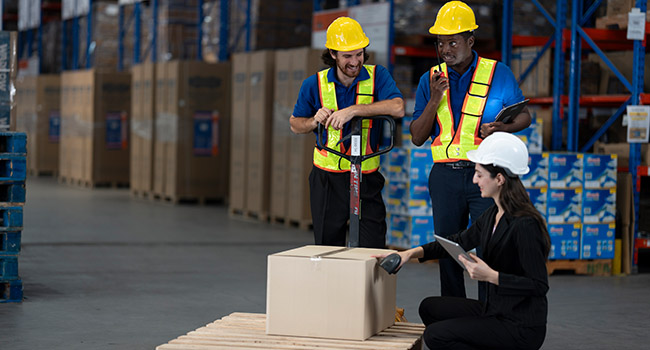
How Third Party Logistics Providers Use Travel Labor
Third-party logistics (3PL) providers are masters of efficiency and flexibility, and they often use on-demand travel labor as a key strategy to achieve this. Since 3PLs serve multiple clients with varying and often unpredictable needs, they require a workforce that can scale rapidly. On-demand contract labor allows them to adjust staffing levels in their fulfillment center to match the fluctuating demands of their customers.
This approach enables logistics providers to maintain high levels of service without the financial burden of a large, permanent payroll. When a client experiences a surge in orders, the 3PL can quickly bring in temporary workers to manage the increased volume. This ensures that warehouse operations continue to run smoothly and client expectations are met.
3PLs leverage travel labor to:
- Manage seasonal peaks for their e-commerce clients.
- Staff special projects like product kitting or repackaging.
- Quickly scale up operations for new client onboarding. Specialized staffing agencies are a common source for this type of flexible workforce.
Evaluating In-House vs. 3PL Staffing
Deciding between maintaining an in-house team and outsourcing to a 3PL for your logistics services involves weighing control against convenience. An in-house team gives you direct oversight of your warehouse operations and warehouse staff. You have full control over hiring, training, and company culture. However, this also means you bear all the costs and administrative responsibilities.
Outsourcing to a 3PL, on the other hand, can offer significant cost savings and access to expertise. A 3PL handles all aspects of staffing and logistics, freeing you to focus on your core business. This is especially beneficial for scaling operations without a massive capital investment.
When a 3PL uses contract labor, ensuring quality is paramount. Manufacturers can achieve this by setting clear performance metrics, requiring regular reporting, and conducting periodic audits. A strong partnership agreement that outlines quality standards is essential to make sure the 3PL’s temporary staff performs to your expectations.
When to Choose Temporary vs. Contract Labor
The choice between temporary and contract labor often depends on the duration and nature of your staffing need. Temporary labor is typically used for very short-term needs, such as filling in for an employee on sick leave or managing a brief, unexpected spike in work. These assignments usually last from a few days to a few weeks.
Contract labor, however, is generally for a longer, pre-defined period. This could be for a specific project lasting several months or to cover an entire peak season. The warehouse worker job description for a contract role might be more detailed, as the worker will be integrated into your team for a more extended time. This option can provide more stability and consistency within your supply chain operations.
Staffing agencies that specialize in warehouse labor can provide both types of workers. By discussing your specific needs with an agency, they can help you determine whether a temporary or contract arrangement is the better fit, ensuring you get the right support for your business.
Workforce Quality and Training Considerations
When bringing on-demand labor into your facility, ensuring workforce quality and proper training is essential for success. A skilled worker stepping into a warehouse worker job should be able to adapt quickly, but they still need guidance on your specific processes and safety protocols. The warehouse manager plays a crucial role in overseeing this integration.
Providing clear instructions and brief, effective training ensures that temporary staff can contribute productively and safely from the start. We will now discuss the essential skills to look for, the importance of safety measures, and how to stay compliant with labor regulations.
Essential Skills for Warehouse and Manufacturing Labor
When hiring on-demand labor, certain essential skills are strong indicators of a successful placement. While a high school diploma is often a basic requirement, practical skills and a solid work ethic are even more critical. Prior work experience in a warehouse or manufacturing setting is a significant plus, as these individuals will be familiar with the general pace and demands of the environment.
Key qualifications include strong organizational skills and effective time management. A warehouse is a dynamic place, and workers must be able to prioritize tasks and work efficiently to meet deadlines. The ability to operate basic warehouse equipment, such as pallet jacks or barcode scanners, is also highly valuable.
Look for candidates who demonstrate:
- A strong attention to detail for accuracy in picking and packing.
- Good communication and teamwork skills to collaborate effectively.
- Physical stamina and the ability to lift and move inventory as needed.

Safety Measures and Training Protocols
Safety should always be the top priority in any warehouse environment, especially when integrating temporary warehouse staff. Establishing clear and concise safety protocols is crucial. Your warehouse supervisor should conduct a brief but thorough safety orientation for all new workers on their first day. This training must cover emergency procedures, the location of safety equipment, and rules for navigating the warehouse floor.
For roles that involve operating machinery, specific training is non-negotiable. Even if a worker has prior experience, they must be familiarized with your specific equipment and procedures. Important safety measures for warehouse roles include proper lifting techniques, mandatory use of personal protective equipment (PPE), and clear guidelines for forklift operation and pedestrian pathways.
Key safety training elements should include:
- A review of your facility’s specific safety rules and emergency exits.
- Demonstrations of safe equipment operation and manual handling techniques.
This ensures a safe environment for both your permanent and temporary teams.
Compliance with U.S. Labor Regulations
When using on-demand labor, it is essential to ensure full compliance with all relevant labor regulations in the United States. This includes laws related to minimum wage, overtime pay, and workplace safety. Misclassifying workers or failing to adhere to these rules can result in significant fines and legal complications.
Partnering with a reputable staffing agency can help you navigate these complexities. Such agencies specialize in understanding and complying with labor laws, and they typically handle payroll, taxes, and workers’ compensation for the temporary employees they place. This partnership can provide peace of mind and help you avoid potential compliance pitfalls.
Clearly defining the job description and the terms of employment from the outset is also crucial. Ensure that the working conditions in your warehouse environment meet all legal standards and that all workers, whether permanent or temporary, are treated fairly and in accordance with the law.
Cost Optimization and Financial Planning with Travel Labor
On-demand travel labor is a powerful tool for cost optimization and strategic financial planning. By converting fixed labor costs into variable expenses, you pay for manufacturing labor only when it’s needed. This allows you to align your spending directly with your production output and revenue, leading to a more efficient and resilient budget.
This flexible staffing model simplifies financial forecasting for roles like the warehouse worker job. Instead of accounting for a large, static payroll, you can plan for labor expenses based on seasonal demand and project needs. Let’s explore how to calculate these costs, budget effectively, and reduce unnecessary expenses.
Calculating Total Manufacturing Labor Costs
Calculating the total cost of manufacturing labor involves looking beyond just the hourly wage. With permanent employees, you must factor in benefits, payroll taxes, insurance, and training. On-demand labor simplifies this calculation, as you typically pay a single, all-inclusive hourly rate to the staffing agency. This rate covers the worker’s pay, as well as the agency’s administrative and overhead costs.
This streamlined approach can lead to significant cost savings. You avoid the long-term financial commitments of hiring full-time staff and can better control your budget by aligning labor expenses directly with production levels. This enhances operational efficiency and frees up capital that can be invested elsewhere, such as in technology or expanding warehouse space.
Here’s a simplified comparison of cost components:
Cost Component | Permanent Employee | On-Demand Labor (via Agency) |
Hourly Wage | Direct Cost | Included in Agency Rate |
Benefits (Health, etc.) | Direct Cost | Not a Direct Cost |
Payroll Taxes | Direct Cost | Handled by Agency |
Recruitment Costs | Direct Cost | Not a Direct Cost |

Budgeting for On-Demand Staffing
Budgeting for on-demand staffing requires a shift from a fixed to a variable mindset. Instead of allocating a set amount for payroll each month, your budgeting will be tied to production forecasts and seasonal trends in your supply chain. Start by analyzing historical data to identify your peak and slow periods. This will help you predict when you’ll need to bring in extra warehouse staff.
Work closely with your operations team to understand the labor requirements for upcoming projects or known busy seasons. By planning ahead, you can secure the necessary on-demand warehouse staff in advance and build these costs into your financial plan. This proactive approach to budgeting helps avoid last-minute scrambles and ensures you have the resources needed to keep your warehouse operations running smoothly.
To ensure quality while managing costs, partner with a staffing agency that provides transparent pricing. A clear understanding of the rates and terms will allow you to create an accurate and reliable budget for your flexible workforce needs.
Reducing Overtime and Idle Time Expenses
One of the most immediate financial benefits of on-demand labor is the reduction of overtime and idle time expenses. When you rely solely on a permanent team, unexpected surges in demand often lead to costly overtime hours to keep logistics operations on track. This not only inflates your labor budget but can also lead to burnout among your core warehouse staff.
By supplementing your team with on-demand workers during these peaks, you can manage the increased workload without resorting to overtime. This maintains a higher level of operational efficiency and keeps your permanent employees fresh and productive. On the flip side, during slow periods, you avoid paying for idle time because you can scale your temporary workforce down, paying only for the labor you actually use.
Staffing agencies that specialize in warehouse labor are experts at providing this kind of flexible support. They can quickly deploy workers to help you manage these fluctuations, making your labor costs more predictable and your operation more profitable.
Conclusion
In conclusion, on-demand travel labor presents a transformative approach for manufacturing and warehouse facilities. By leveraging this flexible labor model, businesses can adapt rapidly to fluctuating demands, enhance efficiency, and access specialized skills without the long-term commitments of traditional employment. This adaptability not only leads to significant cost savings but also empowers organizations to optimize their operations and meet customer expectations more effectively. As industries continue to evolve, embracing on-demand labor may well be the key to staying competitive.
Frequently Asked Questions
What’s the difference between a warehouse worker and a warehouse associate?
While the terms are often used interchangeably, a warehouse associate may sometimes have a broader range of tasks that can include more administrative or customer-facing duties. A warehouse worker job description typically focuses more on physical tasks like picking, packing, and moving inventory. Both roles require strong organizational skills to succeed.
How can manufacturers ensure quality when hiring contract labor through third party logistics?
Manufacturers can ensure quality by partnering with reputable logistics providers that thoroughly vet their contract labor. It’s crucial to establish clear quality standards and performance metrics in your service agreement. Regular communication and periodic audits of their work help maintain high levels of operational efficiency and uphold your supply chain management standards.
Are there staffing agencies specializing in warehouse travel labor in the U.S.?
Yes, there are numerous staffing agencies across the United States that specialize in providing warehouse travel labor. These firms act as a dedicated service provider, managing the entire hiring process to connect businesses with skilled, temporary workers. They are an excellent resource for companies needing a flexible and reliable workforce.

Haley serves as the Marketing Manager for Complete Quality Solutions. She joined CQS in 2023 with her prior experience gained with GXO and XPO Logistics.