Business Development
(224) 213-5119
General Information
(513) 776-1078


- By Haley
- April 16, 2026
Table of Contents
Key Highlights
Here are the key takeaways from our discussion on damaged packages:
- Determining responsibility for shipping damage depends on the seller's policies and the carrier's terms of service.
- Sellers are primarily responsible for proper packaging, while carriers must handle packages with care.
- A negative customer experience due to a damaged item can significantly impact a business's reputation.
- The claims process for a damaged package typically involves documenting the damage and contacting the seller or carrier.
- Successful claims often lead to a refund, replacement, or store credit for the customer.
- Following the correct procedure for order fulfillment and returns is crucial for a smooth resolution.
Introduction
Have you ever excitedly opened a package only to find the contents broken? It’s a frustrating experience that raises an important question: who is responsible? The journey of a package through the supply chain involves multiple players, from the seller to various shipping companies. Understanding the roles each one plays is key to resolving issues with damaged goods. Good packaging and excellent customer service are vital for ensuring customer satisfaction and navigating the complexities when something goes wrong during delivery.
Understanding Shipping Damage in Supply Chain Distribution
Shipping damage is an unfortunate but common issue within supply chain management. It refers to any harm that occurs to a product during the movement of goods from the warehouse to your doorstep. This can happen at any stage, from initial warehouse operations to the final delivery truck.
A solid supply chain strategy aims to minimize these incidents. However, with the rise of digital distribution and complex logistics networks, damages can still occur. Let’s look at the common reasons packages get damaged and how this affects the overall shipping process.
Common Causes of Packages Getting Damaged During Shipping
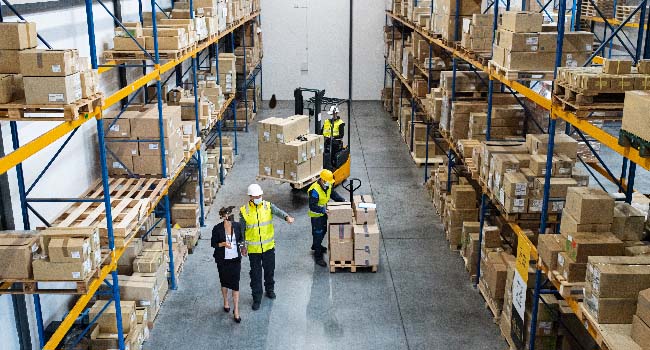
Multiple factors can contribute to a package arriving in less-than-perfect condition. The journey from the seller to you involves many steps, and disruptions in logistics can happen anywhere along the way. Improper packing is one of the most frequent culprits.
If an item isn’t secured with the right packaging materials, it’s more likely to shift and break during transit. The type of freight also matters; items can be jostled during transportation by truck, plane, or ship.
Other common causes include:
- Poor Handling: Packages being dropped or crushed under heavier items.
- Environmental Factors: Exposure to extreme temperatures or moisture.
- Inadequate Labeling: Lack of “fragile” or “this side up” labels.
- Mechanical Sorting: Automated conveyor belts and sorting machines can sometimes be too rough.
How Shipping Damage Impacts Warehouse Shipping and Delivery Processes
When an item is damaged, it creates a ripple effect throughout the warehouse shipping and delivery system. The immediate impact is on customer satisfaction, but it also disrupts operational efficiency behind the scenes. Warehouse teams must then manage the return of the damaged product, which adds an unplanned step to their workflow.
This process can lead to delays in processing other orders and affects inventory management. The damaged item must be accounted for, and a replacement may need to be picked, packed, and shipped. This doubles the work and cost associated with a single order, straining resources and potentially delaying delivery times for other customers.
Ultimately, frequent damage claims can force a company to re-evaluate its entire logistics process, from how items are stored and packed to the carriers it partners with, all to prevent future issues and maintain a smooth operation.
Key Players in the Package Journey: Seller, Carrier, and Customer
Three main parties are involved in getting a package to your door: the seller, the carrier, and you, the customer. The seller initiates the process by preparing the item for shipment. Their role in carrier selection and order fulfillment is critical for a successful delivery that meets customer needs.
Once the package leaves the seller, the carrier takes over, managing the flow of goods until it reaches its final destination. Each player has specific responsibilities that help ensure the package arrives safely. We will explore the specific roles of sellers, carriers, and customers in more detail.
Role of Sellers in Preventing Shipping Damage
The seller’s responsibility begins long before your package is in transit. Their primary role is to ensure the item is protected through proper packaging. Following best practices, such as using sturdy boxes, adequate cushioning, and strong tape, is the first line of defense against damage.
Effective supply management also plays a part. Sellers must choose packaging materials that are appropriate for the product’s size, weight, and fragility. A heavy item requires a different approach than a delicate one. Clear communication with their shipping partners about special handling requirements can also prevent mishaps.
Furthermore, sellers should have clear seller policies regarding damaged items. This shows customers that they have a plan in place and are committed to resolving issues, which builds trust and encourages repeat business. A proactive approach to packaging and policy-making is essential for any ecommerce company.
Carrier Responsibilities and Handling in the Delivery Chain
Once a package is handed off, carrier responsibilities come into play. Shipping companies are tasked with safely transporting the package from the seller to the customer. This includes careful handling during sorting, loading, and unloading to prevent drops, crushing, or other impacts.
Most carriers offer tracking services, which provide visibility into the package’s journey. While this doesn’t prevent damage, it helps pinpoint where a problem might have occurred. Different service offerings may also include varying levels of care or insurance, which can influence how a package is handled and what recourse is available if something goes wrong.
When damage occurs, the carrier’s claims process is activated. They investigate the issue to determine if their handling was at fault. Managing these claims is a part of their operational and logistics costs, and their efficiency in resolving them is a key differentiator among shipping companies.
Customer Responsibilities When Receiving Packages
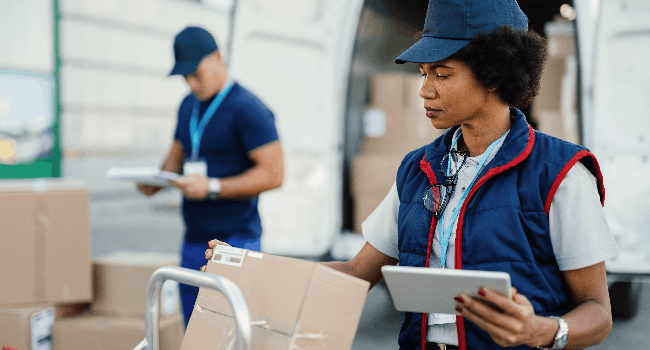
As the final person in the chain, you also have a few responsibilities when a package arrives. Your actions upon receipt of a damaged item are crucial for a smooth resolution. The first step is to inspect the package for any visible signs of damage before you even open it.
If the box is crushed, torn, or wet, document it immediately. Taking photos of the damaged package, both outside and inside, provides essential evidence. This is vital whether you’re dealing with defective items or items damaged in transit.
Here’s what you should do to ensure a positive customer experience, even when things go wrong:
- Document Everything: Take clear photos of the damaged package and its contents from multiple angles.
- Keep All Materials: Don’t throw away the box, packaging materials, or the receipt.
- Contact Customer Service Promptly: Reach out to the seller as soon as you discover the damage to start the return or claim process.
Determining Responsibility for Damaged Packages in the United States
In the United States, figuring out who is at fault for a damaged package often comes down to the terms and conditions agreed upon during the sale. There are important distinctions in liability depending on the seller’s policies and the carrier’s terms of service. Generally, the seller is responsible for ensuring the packaging is adequate.
However, once the carrier accepts the package, they assume a degree of responsibility for its safe transport. Shifting market conditions and consumer expectations have pushed many companies to adopt more customer-friendly policies. Let’s examine the specific guidelines from major couriers and common seller policies.
Guidelines from Major Couriers (USPS, FedEx, UPS)
Major couriers like USPS, FedEx, and UPS have specific guidelines for handling package claims. While the details vary, they all require the customer or sender to file a claim within a certain timeframe and provide proof of damage and value. For example, USPS often requires you to bring the damaged item and packaging to a local post office for inspection.
FedEx and UPS allow you to start the claims process online, where you can upload documentation. All three carriers emphasize the importance of retaining the original packaging, as it’s often inspected to determine if it was sufficient for protection.
Here’s a quick overview of their claim filing windows:
Courier | Claim Filing Timeframe for Damaged Packages |
USPS | Immediately, but no later than 60 days from the mailing date. |
FedEx | Within 60 calendar days after the delivery date. |
UPS | Immediately. No specific deadline, but prompt reporting is advised. |
Seller Policies for Damaged Packages in Ecommerce Transactions
In the world of ecommerce, seller policies are your guide for what to do when a package arrives damaged. Most online retailers have clear return policies that outline the steps for reporting a damaged item. These policies are designed to maintain customer satisfaction and typically offer a refund, replacement, or store credit.
A customer-centric seller will often take responsibility for the damage, even if it occurred during shipping. They will handle the claim with the carrier themselves so you don’t have to. This approach streamlines the process for the customer and builds brand loyalty.
Before making a purchase, it’s always a good idea to review a company’s return and shipping policies. Knowing what to expect can save you a lot of trouble later. A transparent policy is often a sign of a reputable ecommerce business that values its customers.
Claims Process for Damaged Packages
Navigating the claims process for a damaged or missing package can seem daunting, but it’s a standard part of order fulfillment. The process is designed to formally report the issue and seek compensation. Your first step should always be to contact the seller’s customer service department, as they often manage the return process directly.
If the seller directs you to the carrier, you will need to initiate the claim with them. This involves providing specific details about your shipment and the damage that occurred. Let’s walk through the steps for filing a claim and the documentation you’ll need.

Steps to File a Claim with Popular Carriers
Filing package claims with carriers like USPS, FedEx, or UPS follows a similar pattern, though the specifics of their logistics can differ. The process usually starts online through the carrier’s official website. You’ll need key information about your shipment to get started.
The most important piece of information is the tracking number. This number allows the carrier to locate your shipment’s records in their system. After providing the tracking information, you’ll be guided through a form where you describe the damage and its extent.
Here are the general steps to follow:
- Gather Information: Collect your tracking number, shipping receipts, and photos of the damage.
- Start the Claim Online: Go to the carrier’s website and find their claims portal.
- Fill Out the Form: Provide all the required details about the shipment and the damage.
- Submit Documentation: Upload your photos, invoice, and any other requested documents to support your claim.
What Documentation Is Required for a Successful Claim?
To ensure your claim is processed successfully, you need to provide solid proof. The more detailed your documentation, the better your chances of a quick resolution. An invoice or receipt is essential, as it proves the item’s value.
The most compelling evidence is visual. Clear photos of the damaged package from all angles, including the shipping label, are critical. You should also take pictures of the damaged item itself, showing the extent of the harm. It’s also wise to photograph the internal packaging to show how the item was cushioned.
Here is a checklist of documents you will likely need:
- Purchase Receipt or Invoice: To prove the item’s value.
- Photos of the Damaged Package: Showing the exterior condition upon arrival.
- Photos of the Damaged Item: Clearly displaying the damage.
- Tracking Number: To identify the shipment.
Compensation and Resolution for Shipping Damage
Once you’ve filed a claim for shipping damage, the next step is resolution and compensation. The goal is to make you whole again after receiving a damaged product. Depending on the seller’s policies and the outcome of the claim, you can expect different forms of compensation.
A successful claim typically results in a refund to your original payment method, like a credit or debit card, or a replacement item sent at no extra cost. Let’s look at the types of compensation you can expect and how the cost of the damage is calculated.
Types of Compensation Customers Can Expect
The type of compensation you receive often depends on the seller’s policy and the nature of the product. The goal is to restore a positive customer experience after the disappointment of receiving a damaged or defective item. For most standard products, the options are straightforward.
For large items that are difficult to return, a partial refund might be offered if the damage is cosmetic. In other cases, the company will arrange for the carrier to pick up the damaged product when delivering a replacement. The ultimate goal of compensation is to resolve the issue to your satisfaction.
Common forms of compensation include:
- A Full Refund: The full purchase price is returned to your original payment method.
- A Replacement Item: The seller sends you a new, identical item.
- Store Credit: You receive credit to use on a future purchase from the seller.
How Shipping Damage Cost Is Calculated and Refunded
The calculation for a refund is usually straightforward: it’s based on the price you paid for the item, as shown on your invoice. This amount is what the seller or carrier will reimburse. If the item was insured, the refund will be for the declared value, up to the insurance limit.
The cost of shipping may or may not be included in the refund. Some sellers refund the entire transaction, including shipping, to maintain customer goodwill. This is handled as one of their logistics costs. From the supply chain perspective, these refunds impact the overall operational efficiency and profitability of a transaction.
Ultimately, whether the seller or carrier absorbs the loss, the system is designed to ensure you are not financially penalized for a problem that occurred within the supply chain. The approved refund is typically processed after the claim is reviewed and accepted.

Proactive Solutions to Minimize Shipping Damage
The best way to deal with shipping damage is to prevent it from happening in the first place. By adopting a proactive supply chain strategy, sellers and logistics providers can significantly reduce the number of damaged packages. This involves implementing best practices in packaging and handling.
Using automation and ensuring the efficient use of resources can help streamline operations and protect products better. Let’s explore some of these proactive measures that sellers and their logistics partners can take to minimize damage.
Best Practices in Packaging and Handling for Sellers and 3PL Providers
For sellers and third-party logistics (3PL) providers, effective packaging is the most critical step in preventing damage. Adhering to proven best practices ensures that products are secure throughout their journey. This starts with choosing the right box size—not too big, not too small.
Using high-quality packaging materials is also essential. This includes sturdy corrugated boxes, bubble wrap for cushioning, and strong packing tape to seal all seams securely. The goal is to create a package that can withstand the normal rigors of shipping and handling.
Here are some key best practices for packaging:
- Choose a new, rigid box that is strong enough for the item’s weight.
- Wrap individual items with cushioning material like bubble wrap.
- Fill any empty space in the box with filler to prevent items from shifting.
- Use the “H-tape” method to seal the box securely.
- Clearly label the package, using “Fragile” stickers when necessary.
How 3PL and Third-Party Logistics Companies Protect Against Package Damage
Third-party logistics (3PL) companies play a vital role in protecting packages by leveraging their expertise in supply chain management. These providers often have standardized, professional packaging processes that many individual sellers lack. They use advanced warehouse management systems (WMS) to track items and ensure they are handled correctly.
3PLs also offer improved visibility across distribution channels. They use technology to monitor packages from the warehouse to the final destination, identifying potential risks and optimizing routes for safer transit. Their experience allows them to select the best packaging materials and methods for a wide range of products.
Many 3PLs also offer shipping insurance as part of their services, providing an extra layer of protection. By outsourcing their logistics to a 3PL, businesses can benefit from their expertise, technology, and established processes, all of which contribute to reducing the likelihood of package damage.
Conclusion
In summary, understanding who is responsible for a damaged package can significantly impact your shopping experience and the efficiency of the shipping process. Sellers, carriers, and customers each play crucial roles in minimizing damage during transit. By implementing best practices in packaging, knowing the guidelines from major couriers, and being proactive in addressing potential issues, all parties involved can work together to reduce the risk of damage. Remember that you have options when it comes to filing claims and seeking compensation for any damages that may occur. Don’t hesitate to reach out if you have questions or need assistance navigating these processes. Your awareness and action can lead to a smoother shipping experience.
Frequently Asked Questions
What should I do if my package arrives damaged?
First, take photos of the damaged package and the damaged product inside. Keep all packaging materials and your receipt. Then, contact the seller’s customer service immediately to report the issue. They will guide you through their specific return process to get a replacement or refund.
Will insurance or carriers reimburse the shipping damage cost?
Yes, if the package was insured or if the carrier is found at fault, they will typically reimburse the cost. You or the sender will need to file a claim with the shipping company. A successful claim generally results in compensation for the declared value of the item, leading to a refund.
How can ecommerce companies reduce claims related to shipping damage?
Ecommerce companies can reduce claims by implementing best practices in packaging, such as using sturdy materials and proper cushioning. Investing in training or automation for packing processes can also help. Partnering with reliable carriers and having clear return policies are key to improving customer satisfaction and minimizing damage-related issues.

Haley serves as the Marketing Manager for Complete Quality Solutions. She joined CQS in 2023 with her prior experience gained with GXO and XPO Logistics.