Business Development
(224) 213-5119
General Information
(513) 776-1078

- By Haley
- April 21, 2026
Table of Contents
Key Highlights
- Logistics companies are essential partners for businesses, handling key aspects of supply chain management.
- Third-party logistics (3PL) providers outsource services like order fulfillment, warehousing, and transportation to improve efficiency.
- Fourth-party logistics (4PL) providers offer a higher level of strategic oversight, managing the entire supply chain, including 3PLs.
- Freight companies specialize in the physical movement of goods via air, land, or sea.
- Partnering with the right logistics provider boosts operational efficiency, reduces costs, and ultimately enhances customer satisfaction.
Introduction
Navigating the world of logistics can seem complicated, but it doesn’t have to be. Whether you’re a growing ecommerce business or an established enterprise, understanding the different types of logistics services is crucial for streamlining your supply chain operations. From storing products to ensuring they reach your customers on time, the right logistics partner can significantly impact your customer service and overall success. This guide will break down the key players and help you find the perfect fit for your business needs.
Overview of Logistics Companies in the United States
The United States is home to a vast and dynamic logistics network, with countless companies helping businesses move, store, and manage their goods. These logistics companies range from global giants to specialized local providers, forming the backbone of commerce across the nation.
Thanks to a growing demand for faster shipping and efficient delivery, supply chain management professionals have become indispensable. They help organizations navigate the complexities of getting products from point A to point B, ensuring everything runs smoothly.
Key Roles and Functions in Modern Logistics
Modern logistics is about much more than just moving boxes. It involves a sophisticated set of functions designed to optimize the entire supply chain. Core activities include transportation management, which focuses on getting goods to their destination efficiently, and inventory management, which ensures you have the right amount of stock at all times. These functions work together to create a seamless flow from manufacturer to consumer.
Another critical component is order fulfillment. This process begins the moment a customer places an order and covers everything from order processing to picking, packing, and shipping. Effective distribution services ensure that products are delivered accurately and on time, which is vital for customer satisfaction.
In essence, logistics providers handle these complex tasks so you don’t have to. For instance, a third-party logistics (3PL) provider is a company you can outsource these functions to. What does 3PL mean in logistics? It means partnering with an external expert to manage one or more facets of your procurement and fulfillment activities, allowing you to focus on your core business.
Evolution of Supply Chain Management
Supply chain management has transformed dramatically over the years. Initially, it was a simple process of moving goods. Today, it’s a strategic function that leverages technology and industry expertise to create a competitive advantage. The rise of the internet and e-commerce has accelerated this evolution, making concepts like real-time tracking and supply chain visibility standard expectations.
This evolution has led businesses to focus more on their core competencies. Instead of trying to manage every aspect of logistics internally, many now outsource these tasks to specialized providers. This allows them to benefit from the provider’s experience and established best practices without having to build these capabilities from the ground up.
So, how does a 3PL fit into the overall supply chain? A 3PL acts as an integrated partner, handling specific logistical functions like warehousing or transportation. This integration helps streamline operations, reduce costs, and improve service, making the entire supply chain more efficient and responsive to market demands.
Understanding Third Party Logistics (3PL)
Third-party logistics, commonly known as 3PL, refers to outsourcing your logistics operations to an external company. These logistics providers specialize in managing various aspects of your supply chain, from warehousing and inventory management to shipping and distribution.
By partnering with a 3PL service provider, you can delegate these complex and time-consuming tasks to experts. This frees you up to concentrate on other important areas of your business, like product development and marketing, while professionals handle the logistics.
What Does 3PL Mean in Logistics?
So, what does 3PL mean in logistics? In simple terms, a 3PL is an external company that manages part or all of your business’s distribution, warehousing, and fulfillment services. Instead of managing your own logistics operations, you hire a service provider to take care of them for you. This can include anything from storing your products in their warehouse space to packing and shipping orders to your customers.
The concept is broad and can apply to any contract involving the storage or shipping of items. For example, a business might use one 3PL for transportation and another for warehousing, or it could partner with a single provider that bundles these services together to handle its entire supply chain management.
Essentially, a 3PL service provider becomes an extension of your team. They handle the physical side of your logistics operations, allowing you to run your business without the need to invest in your own infrastructure, like warehouses or delivery fleets. This partnership helps you control costs and focus on what you do best.
Core Services Offered by 3PL Providers
3PL providers offer a wide array of services designed to handle all aspects of the fulfillment process. These companies are equipped to manage the journey of your products from the warehouse shelf to your customer’s doorstep. The services can be tailored to fit the specific needs of your business, whether you require a single service or a comprehensive logistics solution.
Understanding how 3PL services work involves looking at their core offerings. These often include transportation services for moving goods, inventory management to track stock levels, and order fulfillment services for picking, packing, and shipping customer orders. A single 3PL can often handle all these tasks seamlessly.
Some of the most common services you can expect from a 3PL provider are:
- Warehousing and Storage: Securely storing your products in their facilities.
- Order Fulfillment: Processing customer orders, including picking items and packing them for shipment.
- Transportation and Distribution: Managing the shipping of goods to customers, retailers, or other destinations.
- Reverse Logistics: Handling returns from customers, including processing, restocking, or recycling products.
Examples of Businesses Utilizing 3PL
Many successful businesses across various industries rely on 3PL providers to manage their logistics. For instance, ecommerce businesses often partner with a fulfillment center to handle the storage of their products and the processing of customer orders from different sales channels. This allows them to scale quickly without worrying about the complexities of shipping and warehousing.
A great example is a book publisher. The publisher’s core competency is creating books, not managing logistics. By outsourcing to a 3PL, the publisher can have the 3PL manage its inventory, process online customer orders, and handle shipments. This is a common practice for companies that want to focus on product development rather than distribution.
Here are some examples of companies and how they might use 3PL services:
Industry Sector | How They Use a 3PL |
E-commerce Retail | Outsourcing inventory storage, order packing, and shipping to a fulfillment center. |
Book Publishing | Using a 3PL to handle warehousing and direct-to-consumer order fulfillment. |
Tech Companies | Partnering with a 3PL for reverse logistics to manage product returns and repairs. |
Apparel Brands | Utilizing a 3PL’s network to distribute products to retail stores and online customers. |
How 3PL Services Work
The process of using 3PL logistics services is designed to be straightforward and efficient. It all starts when your business receives an order. Instead of handling it yourself, the order is automatically sent to your 3PL partner, who takes over the order fulfillment process from there.
Your 3PL provider uses its logistics network and network of fulfillment centers to store your inventory, pick and pack the items, and ship them directly to your customer. This seamless integration ensures that your products are delivered quickly and reliably, without you having to manage the hands-on logistics.
Integration with Warehouse Operations
When you partner with a 3PL, you gain access to their advanced warehouse operations. These logistics providers use sophisticated warehouse management software (WMS) and inventory management systems to keep track of your products with high accuracy. This technology provides real-time visibility into your stock levels, so you always know what you have on hand.
The process typically begins when your inventory arrives at the 3PL’s warehouse. Your products are received, cataloged, and stored in a designated storage space. When a customer places an order, the WMS directs warehouse staff to the exact location of the item, ensuring a quick and error-free picking process. This integration is a key part of how 3PL services work to improve efficiency.
By leveraging the technology and infrastructure of established logistics providers, you can streamline your logistics operations without the significant investment required to build and manage your own warehouse. This allows you to benefit from professional-grade warehousing and distribution from day one.
Freight Hauler Solutions through 3PL
Third-party logistics providers are experts at helping businesses with shipping. They offer comprehensive freight hauler solutions that go beyond what a traditional freight forwarder might provide. A 3PL can manage your entire transportation management process, from negotiating rates with carriers to selecting the best mode of transport, whether it’s by truck, air freight, or sea.
One of the ways 3PLs assist with shipping is by handling all the associated administrative tasks, such as freight payment and documentation. They have established relationships with a wide network of carriers, which allows them to secure better rates and ensure greater reliability. This a key advantage for businesses looking to optimize their shipping strategies.
Furthermore, a 3PL can help you balance shipping speed with cost. They analyze shipping routes and carrier performance to find the most efficient and economical options for your needs. This strategic approach to transportation ensures your products get where they need to go on time and within budget.
Managing Shipping and Returns
A key way third-party logistics providers help businesses with shipping is by streamlining both outbound shipments and returns. When a customer places an order, the 3PL takes care of the entire shipping process. They pick, pack, and dispatch customer orders efficiently, often at reduced shipping costs due to their high shipping volumes.
However, their role doesn’t end once the package is delivered. A crucial part of modern logistics services is managing returns, a process known as reverse logistics. A good returns process is vital for maintaining high customer satisfaction. 3PLs are equipped to handle this seamlessly, receiving returned products, inspecting them, and processing refunds or exchanges.
By outsourcing these tasks, you can:
- Ensure professional and timely handling of customer orders and returns.
- Reduce the complexity and cost associated with managing shipping logistics internally.
- Improve the overall customer experience by offering a smooth and hassle-free returns process.
Benefits of Using Third Party Logistics
Partnering with a 3PL provider offers various benefits that can transform your business. One of the most significant advantages is the potential for substantial cost savings. By leveraging a 3PL’s network and expertise, you can reduce expenses on warehousing, staffing, and shipping.
Beyond savings, outsourcing your logistics leads to greater operational efficiency. With experts handling the complexities of your supply chain, you can ensure a smoother, faster process from order to delivery. This enhanced efficiency directly contributes to a better customer experience, building loyalty and driving growth.

Cost Savings and Efficiency Gains
One of the main benefits of using a 3PL provider is the significant cost savings. When you partner with a 3PL, you no longer need to invest in your own warehouse space, technology, or staff. This converts many fixed costs into variable costs, meaning you only pay for the services you use. This flexibility is especially valuable for growing businesses or those with seasonal demand.
Additionally, 3PLs can secure better shipping rates than individual businesses can. Because they manage high volumes of shipments for multiple clients, they have greater negotiating power with carriers. These discounted rates are passed on to you, directly reducing your shipping expenses and improving your profit margins.
The combination of lower overhead and reduced shipping expenses leads to major operational efficiency gains. Your team is freed from managing logistics, allowing them to focus on core business activities that drive revenue. This streamlined approach helps you run a leaner, more profitable operation.
Access to Specialized Expertise
Another main benefit of using a 3PL provider is gaining immediate access to a team of supply chain management professionals. These experts bring years of industry expertise and a deep understanding of logistics services to your business. They are constantly up-to-date on the latest trends, technologies, and regulations in the supply chain world.
This specialized knowledge is invaluable. A 3PL partner can help you optimize your supply chain by implementing best practices that you may not be aware of. They can identify inefficiencies in your current processes and recommend solutions that improve speed, reduce costs, and enhance customer satisfaction.
Ultimately, leveraging the expertise of a 3PL means you don’t have to become a logistics expert yourself. You can rely on their experience to navigate complex challenges, such as international shipping, customs compliance, or managing hazardous materials. This partnership allows you to confidently handle any logistical requirement that comes your way.
Scalability and Flexibility for Businesses
Scalability and flexibility are two of the most powerful benefits of using a 3PL provider. As your business grows, your logistics needs will change. A 3PL can easily scale its services up or down to match your order volume, whether you’re experiencing a seasonal spike or rapid expansion. This means you don’t have to worry about outgrowing your fulfillment center or being stuck with excess warehouse space during slower periods.
This flexibility also makes it easier to expand into new markets. A 3PL with a national or global network of fulfillment centers can help you reach a wider customer base without the massive investment required to set up your own infrastructure in different regions. You can store inventory closer to your customers, reducing shipping times and costs.
By providing this level of scalability, 3PLs give you the agility to respond to market changes quickly. You gain complete supply chain visibility through their systems, allowing you to make informed decisions and grow your business with confidence, knowing your logistics can keep pace.
Comparing 3PL with Traditional Logistics
When evaluating your logistics strategy, it’s helpful to compare the 3PL business model with traditional logistics. In a traditional model, a company manages its own logistics in-house, which means owning or leasing a warehouse and hiring staff to run it.
A 3PL, on the other hand, outsources these logistics services. Instead of managing your own fulfillment center, you partner with a specialized provider who handles everything for you. This fundamental difference in approach has significant implications for everything from costs to operational flexibility.
Differences in Operations and Contracts
One of the biggest differences between 3PL and traditional logistics lies in the operations. With traditional logistics, your company is responsible for everything: managing your own warehouse, hiring and training staff, and handling all shipping and receiving tasks. This gives you complete control but also requires significant investment and expertise.
In contrast, a 3PL model outsources these operations to a single provider. This partner leverages its extensive logistics network to manage your inventory and fulfillment. The contracts with a 3PL are typically flexible, allowing you to scale services based on your needs. This is very different from the long-term commitments associated with leasing or owning a warehouse.
The key distinctions include:
- Asset Ownership: Traditional logistics requires owning or leasing your own warehouse and equipment, while a 3PL provides these for you.
- Flexibility: 3PL contracts offer scalability, whereas the traditional model has high fixed costs and is less adaptable to change.
- Expertise: Partnering with a 3PL gives you access to specialized knowledge that is costly and time-consuming to build in-house.

Enhancing Supply Chain Provider Capabilities
A 3PL fits into the overall supply chain by acting as a specialized supply chain provider that enhances your existing capabilities. They bring a level of expertise and efficiency to order fulfillment and distribution services that can be difficult for a company to achieve on its own. By taking over these functions, they allow you to focus on your core business.
This partnership directly improves your ability to serve your customers. Faster, more accurate order fulfillment leads to higher customer service levels and greater satisfaction. A 3PL can implement best practices learned from working with numerous clients, bringing a wealth of knowledge to your operation.
Ultimately, integrating a 3PL strengthens your entire supply chain. It makes your business more resilient, scalable, and competitive. You gain a partner dedicated to optimizing a critical part of your business, which can be a key differentiator in today’s fast-paced market.
Exploring Fourth Party Logistics (4PL)
Beyond 3PL, there is another layer of outsourcing known as fourth-party logistics, or 4PL. These providers are also called lead logistics providers. They take on a much broader role than 3PLs, offering strategic oversight and management of a company’s entire supply chain.
A 4PL acts as a single point of contact for all of a company’s logistics needs. They don’t just manage specific tasks; they design, build, and run the whole supply chain solution, often managing multiple 3PLs and other partners on behalf of their client.
How 4PL Differs from 3PL
While a 3PL focuses on executing specific logistics services, a 4PL provides a higher level of supply chain management. The key difference is that a 4PL offers end-to-end management of the entire supply chain, acting as a strategic partner and a single provider for all logistics needs. This is a step up from the more tactical role of a 3PL.
A 4PL provider essentially becomes the client’s outsourced logistics department. They might not own physical assets like warehouses or trucks. Instead, they manage and coordinate the services of various 3PLs and other providers to create a cohesive and optimized supply chain solution. This is quite different from traditional logistics where a company manages its own assets.
In essence, if you hire a 3PL, you manage the relationship. If you hire a 4PL, they manage all of your 3PLs and other logistics partners for you. The 4PL is responsible for the overall performance and optimization of the supply chain, offering a holistic and integrated approach.
Strategic Oversight and End-to-End Management
A 4PL provider’s primary value is the strategic oversight they bring to the table. They don’t just execute tasks; they analyze, design, and optimize your entire supply chain. This involves looking at the big picture to find opportunities for improvement, cost reduction, and enhanced performance across all logistics functions.
Their approach is centered on end-to-end management. A 4PL acts as the single point of accountability for your entire logistics operation, coordinating all partners and processes. This provides you with unprecedented supply chain visibility, as all data and communication flow through a central hub. You get a unified view of your operations, enabling better decision-making.
This comprehensive management ultimately leads to better customer service. With a fully optimized and integrated supply chain, you can deliver products more reliably and efficiently. The strategic partnership with a 4PL ensures that your logistics are not just a cost center but a competitive advantage that supports your business goals.
Freight Companies: Role in Logistics
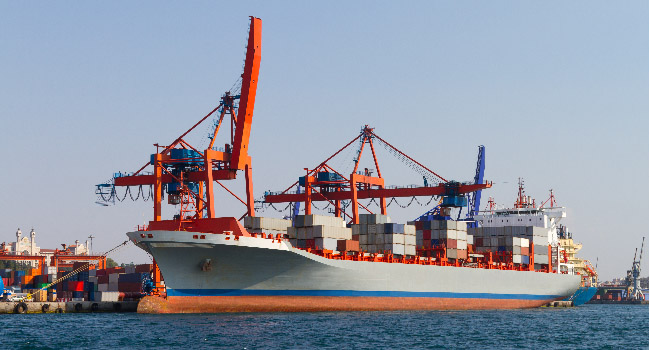
Freight companies are the workhorses of the logistics world. Their primary role is to provide transportation services, moving freight from one location to another. These companies are the freight hauler specialists who physically transport goods via road, rail, air, or sea.
Within the broader scope of logistics operations, freight companies are essential partners. They are the asset-based providers that 3PLs and 4PLs often contract with to execute the transportation leg of the supply chain, ensuring that products get where they need to be safely and on time.
Freight Hauler Types and Services
The world of freight haulers is diverse, with different types of companies specializing in various modes of transport and services. These logistics companies are responsible for the physical movement of goods and are a critical component of any supply chain. Their services can range from moving small packages to transporting massive industrial equipment.
A key part of their offering is transportation management, which can include route planning, load optimization, and tracking. Some also offer financial services, such as handling freight payment on behalf of their clients. This simplifies the process for shippers, who can rely on the freight hauler to manage the complexities of payment and billing.
Common types of freight haulers and their services include:
- Trucking Companies: Specializing in over-the-road transport, from full truckloads (FTL) to less-than-truckload (LTL) shipments.
- Air Freight Carriers: Offering fast transportation for high-value or time-sensitive goods via airplanes.
- Ocean Freight Liners: Transporting large volumes of goods across the globe in shipping containers.
Integration with 3PL and 4PL Providers
Freight companies are rarely standalone players; their integration with 3PL and 4PL providers is crucial for a smooth supply chain. 3PLs and 4PLs build a vast logistics network by partnering with numerous freight carriers. This allows them to offer comprehensive transportation and fulfillment services to their clients without owning a single truck or plane themselves.
This relationship allows each party to focus on its core competencies. Freight companies excel at transportation, while 3PLs and 4PLs excel at managing logistics and coordinating services. The 3PL or 4PL acts as the orchestrator, selecting the best carrier for a specific job based on cost, speed, and reliability.
This seamless integration benefits the end client tremendously. They get access to a wide range of shipping options and competitive pricing through their single logistics partner. The 3PL or 4PL handles all the coordination, so the client doesn’t have to manage relationships with multiple freight companies, simplifying the entire process.
Conclusion
In summary, understanding the various types of logistics companies, including 3PL, 4PL, and freight providers, is essential for businesses looking to optimize their supply chain. Each type plays a unique role in enhancing efficiency, reducing costs, and providing specialized expertise tailored to your needs. As you navigate your logistics strategy, consider how these services can be integrated to create a seamless experience that meets your operational demands. By leveraging the strengths of these providers, you can strengthen your logistics framework and ultimately drive business growth. If you’re ready to explore how these solutions can work for you, don’t hesitate to reach out for a free consultation!
Frequently Asked Questions
What should I look for in a 3PL contract?
When reviewing 3PL contracts, look for clear definitions of logistics services, pricing structures, and liability. Ensure the contract includes specific key performance indicators (KPIs) to measure performance. A good service provider will also outline processes for handling issues to maintain customer satisfaction and have a clear exit clause.
Are there any risks associated with hiring a 3PL?
Yes, there are risks. These include a potential loss of direct control over your logistics, which can impact operational efficiency. Dependence on a single service provider also creates vulnerability. Thoroughly vetting logistics providers and having clear service level agreements in your supply chain management strategy can mitigate many of these risks.
How does 3PL fit into the overall supply chain?
A 3PL fits into the supply chain as a specialized partner that handles key logistics operations. By outsourcing tasks like warehousing, order fulfillment, and shipping to a 3PL, businesses can streamline their processes, reduce costs, and improve customer service, making the entire supply chain more efficient.

Haley serves as the Marketing Manager for Complete Quality Solutions. She joined CQS in 2023 with her prior experience gained with GXO and XPO Logistics.