Business Development
(224) 213-5119
General Information
(513) 776-1078

- By Haley
- May 5, 2026
Table of Contents
Key Highlights
- Third-party logistics (3PL) providers offer specialized inventory management and supply chain management for the automotive industry.
- Partnering with logistics providers helps manage medium-velocity inventory, which includes items with moderate demand.
- Key logistics services include warehousing, order fulfillment, kitting, and reverse logistics for the automotive supply chain.
- Effective 3PL partnerships lead to cost savings, improved efficiency, and enhanced customer satisfaction.
- Technology like Warehouse Management Systems (WMS) provides real-time visibility into your supply chain operations.
Introduction
In the competitive automotive industry, efficient supply chain management is not just an advantage; it’s a necessity. From managing parts for new vehicles to ensuring repair shops have what they need, the logistics can be complex. This is where third-party logistics (3PL) services come in, offering a streamlined approach to handling inventory. By outsourcing these functions, your automotive business can focus on its core operations, improve delivery times, and ultimately boost customer satisfaction. Let’s explore how a 3PL can transform your logistics strategy.
Understanding Third Party Logistics in the Automotive Supply Chain
Third-party logistics, or 3PL, involves outsourcing your company’s supply chain operations to a specialized service provider. These logistics companies manage various tasks, from warehousing and inventory control to shipping and returns, allowing you to focus on your main business activities.
For the automotive sector, this partnership is crucial for handling the intricate web of parts and products. A 3PL can streamline your operations, ensuring parts move smoothly from the manufacturer to the end user. Let’s look closer at what a 3PL is, its role in the industry, and how it addresses evolving needs.
Defining Third Party Logistics
Third-party logistics, often abbreviated as 3PL, refers to the outsourcing of logistics and supply chain management functions to specialized service providers. These logistics companies handle various services including transportation, warehousing, and fulfillment, allowing businesses to focus on their core competencies. By leveraging a 3PL provider, companies can enhance their operational efficiency, reduce overhead costs, and optimize inventory management. Ultimately, this collaboration not only improves shipping speed and reduces costs but also elevates customer satisfaction through better service and streamlined processes, helping businesses thrive in competitive markets.

Role of 3PLs in the Automotive Industry
In the fast-moving automotive supply chain, 3PLs play a vital role. The industry deals with a massive volume of parts, from tiny screws to large body panels, all of which need to be managed and distributed efficiently. Logistics companies specializing in automotive logistics understand these unique challenges and provide tailored solutions.
Their role extends beyond simple warehousing and shipping. A 3PL partner can manage complex supply chain operations, such as coordinating parts from multiple suppliers for assembly lines or handling the distribution of aftermarket parts to dealerships and repair shops. This level of coordination is critical for keeping production lines running and vehicles on the road.
By providing specialized logistics services, 3PLs help automotive companies improve their supply chain management. They bring expertise, technology, and infrastructure that many businesses couldn’t afford to build in-house, leading to greater efficiency and reliability.
Evolving Needs of Automotive Manufacturers and Dealers
The automotive supply chain is constantly changing. Manufacturers and dealers face growing pressure to increase efficiency, reduce costs, and enhance customer satisfaction. As vehicles become more complex and product development cycles shorten, the demands on logistics operations intensify. There’s a continuous need to adapt to new technologies and market trends.
One of the biggest challenges is managing the sheer variety of parts. With new models and features being introduced regularly, the inventory that needs to be stored and distributed keeps expanding. This puts a strain on warehouse space and requires sophisticated systems to track everything accurately.
This is where the concept of continuous improvement becomes key. A good 3PL partner doesn’t just provide a service; they work with you to find better ways of doing things. By analyzing data and refining processes, they help you adapt to the evolving needs of the industry, ensuring your logistics operations remain a competitive advantage.
What Is Medium-Velocity Inventory in Automotive Supply Chains?
In any inventory management strategy, items are often categorized by how frequently they are sold. In the automotive supply chain, this is no different. Medium-velocity inventory refers to a product category of parts and accessories that don’t sell as quickly as high-demand items but are ordered more regularly than slow-moving stock.
Properly managing this inventory is key to balancing stock levels and meeting customer demand without tying up too much capital. It requires a nuanced approach to supply chain operations. Let’s examine the characteristics of this inventory, its importance in optimization, and some common examples.
Characteristics of Medium-Velocity Automotive Inventory
Medium-velocity inventory has distinct characteristics that set it apart from other stock. These items are not the best-sellers that fly off the shelves daily, nor are they the obscure parts that sit for months or years. Instead, they have a moderate and often predictable turnover rate.
Understanding these traits is crucial for effective inventory management in the automotive supply chain. Key characteristics include:
- Moderate Order Volume: These items have a steady but not overwhelming demand.
- Predictable Demand Cycles: Their sales patterns are often easier to forecast than fast-moving items, which can be volatile.
- Significant Impact on Stock Levels: While not the largest portion of sales, they can tie up considerable capital and warehouse space if mismanaged.
Balancing the inventory levels of these products is a delicate act. Holding too much stock leads to increased carrying costs, while holding too little risks stockouts and dissatisfied customers. A 3PL can help maintain optimal stock levels, ensuring you have what you need without excess.
Importance in Supply Chain Optimization
Focusing on medium-velocity inventory is a powerful strategy for supply chain optimization. Because these items fall in the middle, they are often overlooked in favor of high-demand or problematic slow-moving stock. However, optimizing this category can lead to significant cost savings and improved operational efficiency.
When you fine-tune your inventory management for these products, you can reduce the amount of capital tied up in stock that isn’t moving quickly. This frees up cash for other areas of your business. Better forecasting for this category also means you can reduce safety stock levels, further lowering carrying costs.
This is one of the main benefits of using a 3PL. They provide supply chain solutions that bring a disciplined approach to managing all inventory categories. By leveraging their expertise and technology, you can achieve a more balanced and efficient inventory system, which is a cornerstone of effective supply chain optimization.

Common Examples in the Automotive Industry
Numerous instances of third-party logistics can be observed in the automotive industry, showcasing the diverse applications of logistics services. For instance, many car manufacturers leverage logistics providers to streamline their supply chain operations by coordinating the movement of raw materials and components from across the globe to their assembly plants. Additionally, logistics companies often manage the outbound logistics involved in distributing finished vehicles to dealerships and e-commerce platforms, ensuring timely delivery and customer satisfaction, all while optimizing inventory levels and reducing shipping costs. These partnerships enhance operational efficiency and foster growth in new markets.
Core Services Offered by 3PL Providers
Third-party logistics providers offer a wide range of services designed to handle all aspects of your supply chain. These logistics services go far beyond simple storage and shipping. They are comprehensive supply chain solutions that can be tailored to the specific needs of your business.
From managing your inventory with advanced software to fulfilling customer orders with speed and accuracy, 3PLs are equipped to handle it all. They act as an extension of your own team, providing the expertise and infrastructure you need to thrive. Here are some of the core fulfillment services you can expect.
Inventory Management Solutions
Effective inventory management solutions play a crucial role in optimizing supply chain operations within the automotive industry. Utilizing advanced technology and warehouse management systems, businesses can enhance their logistics services, ensuring accurate inventory levels while minimizing overhead costs. This leads to improved order processing and customer satisfaction, as timely shipping and efficient fulfillment processes are vital. Furthermore, implementing these solutions helps companies manage their stock levels and storage space more effectively. By leveraging logistics providers to maximize operational efficiency, automotive businesses can better respond to fluctuations in demand and drive customer loyalty.
Order Fulfillment Processes
Efficient order fulfillment processes play a crucial role in enhancing customer satisfaction. The journey starts when a customer places an order, requiring precise inventory management to ensure the right products are available. Logistics providers then step in to manage every aspect, from packing to shipping, utilizing advanced technology for streamlined operations. These fulfillment services not only address shipping costs but also improve order processing times. A well-structured fulfillment process ultimately boosts profit margins, ensuring that businesses can meet the demands of their customer base while effectively managing operational efficiency.
Warehousing and Storage Capabilities
One of the most significant advantages of partnering with a 3PL is gaining access to their warehousing and storage capabilities. Managing your own warehouse space can be expensive and inflexible. A 3PL offers a scalable solution that grows with your business.
These providers have large, strategically located warehouses that are optimized for efficient warehouse operations. They handle all aspects of warehouse management, from receiving and storing inventory to maintaining a clean and secure environment. This means you don’t have to worry about leasing space, hiring staff, or investing in equipment.
You pay for the storage space you use, which can lead to significant cost savings compared to maintaining your own facility. These storage fees are typically based on the volume of inventory you have. By leveraging a 3PL’s infrastructure, you get professional-grade storage without the high upfront costs.
Specialized 3PL Solutions for Automotive Inventory
The automotive supply chain has unique demands that require more than standard logistics services. Specialized 3PL providers offer solutions tailored specifically for the automotive industry, from handling delicate components to managing complex assembly processes.
These value-added services are designed to streamline your supply chain management and add efficiency at every step. A 3PL with automotive expertise can be a powerful partner in navigating the complexities of this sector. Let’s look at some of the specialized solutions they provide.
Handling Replacement Parts, Accessories, and Components
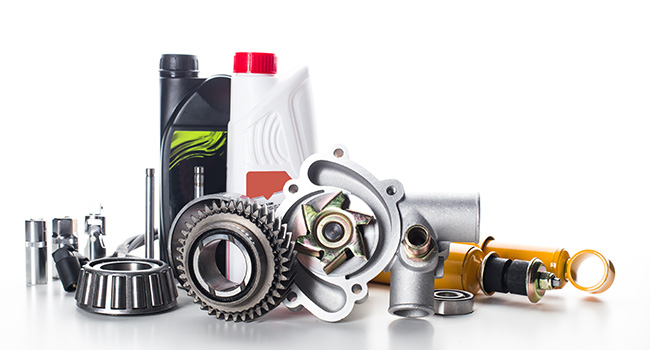
Managing replacement parts, accessories, and components is a critical function in the automotive aftermarket. The sheer number of SKUs can be overwhelming, and ensuring the right part gets to the right place on time is essential for customer satisfaction. A specialized 3PL service provider excels at this.
They implement a robust inventory management system to track thousands of different parts. This system ensures that replacement parts are easy to locate and that stock levels are maintained to meet demand without creating excess. Their expertise in warehouse management means parts are stored safely and correctly.
From small electronic components to bulky body panels, a 3PL can handle the diverse range of products in the automotive aftermarket. Their streamlined supply chain operations ensure that whether a customer needs a new set of floor mats or a critical engine part, it can be picked, packed, and shipped with precision.
Kitting and Customization for Vehicle Assembly
Kitting is a value-added service where a 3PL combines multiple items into a single package or kit. In the automotive industry, this is incredibly useful. For example, a kit could include all the necessary gaskets, bolts, and seals for a specific engine repair, or it could be a package of accessories for a new vehicle.
This service streamlines the fulfillment process for both assembly lines and aftermarket customers. Instead of picking multiple individual parts, workers can grab a single kit, which saves time and reduces the chance of errors. Kitting can be an integral part of the product development and customization options you offer.
By offering kitting and customization, a 3PL enhances your supply chain management. It’s a prime example of the value-added services that go beyond basic storage and shipping, helping you to provide better solutions for your customers and improve your own operational efficiency.
Managing Returns and Reverse Logistics
Returns are an inevitable part of any business, and how you handle them has a big impact on customer satisfaction. This process, known as reverse logistics, can be complex and costly if not managed properly. A 3PL can provide efficient returns management solutions.
When a customer returns a product, the 3PL receives it at their warehouse. They inspect the item to determine its condition, process the return in the system, and decide whether it can be restocked, repaired, or needs to be disposed of. This systematic approach ensures that returns are handled quickly and efficiently.
By outsourcing reverse logistics, you can turn a potential headache into a streamlined process. Good returns management not only saves you money but also shows your customers that you stand behind your products. It’s one of the many supply chain solutions a 3PL offers to improve your overall business performance.
Technology Integration in 3PL Operations
Modern logistics is driven by technology. Third-party logistics providers leverage advanced technology and sophisticated software systems to deliver efficiency, accuracy, and transparency. This technological backbone is what enables them to manage complex operations and provide you with real-time supply chain visibility.
From the warehouse floor to the final delivery, technology is integrated into every step of the process. This ensures that information flows seamlessly and that decisions are based on accurate, up-to-the-minute data. Let’s explore some of the key technologies that power 3PL operations.
Warehouse Management Systems (WMS)
A warehouse management system (WMS) plays a vital role in optimizing logistics operations. This advanced technology enhances inventory management by improving stock levels and storage space utilization within a fulfillment center. By providing real-time data on inventory levels and order processing, a WMS drives operational efficiency and reduces shipping costs. It allows logistics companies to streamline their processes, ultimately boosting customer satisfaction. With capabilities to track customer orders and facilitate outbound logistics, a WMS becomes an invaluable tool for businesses looking to thrive in a competitive market.
Real-Time Inventory Tracking
Staying updated on inventory levels is crucial for effective supply chain operations. Real-time inventory tracking leverages advanced technology to offer visibility into stock levels, ensuring that businesses can quickly adjust to changing demands. This enhances order fulfillment services and improves customer satisfaction by minimizing stockouts and overages. Utilizing robust warehouse management systems, logistics providers can streamline the tracking process, enabling swift response times. As a result, companies can optimize their storage space, reduce overhead costs, and ultimately improve profitability while maintaining a strong customer experience.
Data Analytics for Predictive Demand
Beyond just tracking what’s happening now, advanced 3PLs use data analytics to predict what will happen in the future. By analyzing historical sales data, market trends, and other factors, they can help you forecast predictive demand for your products with a high degree of accuracy.
This forecasting ability is a game-changer for supply chain management. It allows you to be more proactive in your inventory planning, ensuring you have the right amount of stock on hand to meet future demand. This is a core part of a data-driven business model that leads to greater efficiency.
This use of data analytics is also a key part of continuous improvement. By constantly monitoring key performance indicators (KPIs) and refining forecasting models, a 3PL can help you adapt to changing market conditions and continuously optimize your supply chain.

Benefits of Using Third Party Logistics for Automotive Companies
Partnering with third-party logistics providers can bring a host of benefits to your automotive company. From significant cost reduction to improved customer service, the advantages are compelling. By outsourcing your supply chain management, you can free up resources and focus on what you do best.
A good 3PL doesn’t just move boxes; they become a strategic partner in your success. Their expertise in inventory management and logistics can give you a competitive edge. Let’s look at some of the key benefits in more detail.
Cost Reduction and Efficiency Gains
One of the most attractive benefits of using a 3PL is the potential for significant cost savings. By outsourcing, you can eliminate the high costs associated with running your own warehouse, such as rent, utilities, and staff salaries. This immediately improves your operational efficiency and frees up capital.
3PLs also help you save on shipping costs. Because they ship in large volumes, they are able to negotiate discounted rates with carriers that you wouldn’t be able to get on your own. These savings are passed on to you, directly benefiting your profit margins.
Furthermore, their expertise in warehouse management means your inventory is handled more efficiently, reducing costs associated with damage, loss, and obsolescence. All of these factors combine to make partnering with a 3PL a financially smart move for many businesses.
Access to Expertise and Industry Knowledge
When you partner with a 3PL, you gain access to a team of experts with deep industry knowledge. Logistics is their core competency, and they have years of experience in all aspects of supply chain management. This level of expertise can be invaluable, especially in a complex industry like automotive.
This industry expertise means they understand the unique challenges you face and can provide tailored logistics services to meet your needs. They stay up-to-date on the latest trends, technologies, and regulations, so you don’t have to. This allows you to focus on your own core competencies, like product development and marketing.
Choosing a service provider with the right expertise is crucial. A 3PL that specializes in your industry can bring insights and solutions that a generalist provider might miss. This access to specialized knowledge is a key reason why many companies choose to outsource their logistics.
Flexible and Scalable Operations with Warehouse Labor
Your business needs can change quickly, and a 3PL provides the flexibility to adapt. Whether you’re experiencing a seasonal spike in demand or expanding into new markets, a 3PL can scale its operations to meet your needs. This means you have access to more warehouse space and warehouse labor when you need it, without the long-term commitment.
This scalability is a major advantage over running your own warehouse operations. If you own or lease a warehouse, you’re locked into a fixed amount of space and staff. With a 3PL, you can easily scale up or down, paying only for the resources you use.
This flexibility in your supply chain management is crucial for growth. It allows you to test new markets or launch new products without a massive upfront investment in logistics infrastructure. You can grow your business with the confidence that your logistics can keep pace.
Challenges When Working with Third Party Logistics Providers
While partnering with third-party logistics providers offers many benefits, it’s not without its challenges. It’s important to be aware of the potential pitfalls so you can proactively manage them. Effective risk management is key to a successful 3PL relationship.
From concerns about control to navigating complex contractual agreements, there are several areas that require careful attention. Understanding these challenges from the outset can help you build a stronger, more transparent partnership with your logistics provider and improve your overall supply chain management.
Control and Oversight Concerns
One of the most common concerns businesses have when outsourcing is a perceived loss of control. When you hand over a critical part of your operations to a third party, it’s natural to worry about whether things will be done to your standards. Maintaining proper oversight is crucial.
This is where supply chain visibility becomes so important. A good 3PL will provide you with the tools and data you need to monitor their performance and see what’s happening with your inventory in real time. This transparency helps to alleviate concerns about a lack of control.
Effective risk management involves setting clear expectations and performance metrics from the start. By establishing a strong framework for communication and accountability, you can maintain the level of control you need while still reaping the benefits of outsourcing your warehouse management.
Quality Assurance and Consistency
Ensuring quality assurance and consistency is another key challenge when working with a 3PL. Your customers don’t differentiate between you and your logistics partner; if an order is late or incorrect, it reflects poorly on your brand. This makes it essential to choose a partner who is committed to high standards.
Maintaining quality is directly linked to customer satisfaction. Your 3PL’s performance in its logistics operations has a direct impact on the customer experience. Any lapse in quality, whether it’s a damaged product or a delayed shipment, can erode customer trust.
To manage this, you should establish clear key performance indicators (KPIs) for your 3PL. These metrics, which could include order accuracy rates, on-time shipping percentages, and inventory accuracy, allow you to objectively measure performance and ensure your standards for supply chain management are being met.

Navigating Contractual Agreements
The contractual agreement you sign with your 3PL is the foundation of your relationship. These documents can be complex, and it’s essential to understand all the terms and conditions before you sign. Navigating these agreements is a critical part of your risk management strategy.
Your contract should clearly define the scope of services, pricing, performance expectations, and liabilities. Be sure to pay close attention to clauses related to things like termination, liability for lost or damaged goods, and any hidden fees. It’s often wise to have a lawyer review the agreement.
A well-drafted contract protects both you and the service provider. It sets clear expectations and provides a framework for resolving disputes. Taking the time to get the contractual agreement right is a crucial step in building a successful and long-lasting partnership with your logistics providers.
Choosing the Right 3PL for Your Automotive Business
Selecting the right 3PL is one of the most important decisions you’ll make for your supply chain. With so many logistics companies to choose from, it can be challenging to find the perfect service provider for your automotive business. The key is to find a partner whose capabilities and business model align with your needs.
You’ll need to carefully evaluate potential partners on a number of fronts, from their technology to their network strength. The right choice will provide supply chain solutions that help you grow. Here are some key factors to consider.
Evaluating Technology and Infrastructure
In today’s logistics landscape, technology and infrastructure are non-negotiable. When evaluating a potential 3PL, take a close look at the advanced technology they use. A modern, efficient provider will have a robust warehouse management software (WMS) at the heart of its operations.
Ask for a demo of their system. Can it provide the level of supply chain visibility you need? Does it integrate easily with your existing ecommerce platform or ERP system? The quality of their technology will have a direct impact on the efficiency and accuracy of their warehouse operations.
Beyond software, assess their physical infrastructure. Are their warehouses clean, organized, and secure? Do they have the right equipment to handle your products? A 3PL’s investment in technology and infrastructure is a good indicator of their commitment to quality and efficiency.
Assessing Service Levels and Reliability
The reliability of your 3PL is paramount. You need a service provider who can consistently meet their commitments and deliver a high level of performance. Assessing service levels and reliability should be a key part of your evaluation process.
Look for a 3PL with a proven track record. Ask for case studies, testimonials, and references from other clients in your industry. A reputable provider will be happy to share this information. Pay close attention to their stated service level agreements (SLAs) for things like order accuracy and fulfillment speed.
Don’t forget to evaluate their customer service. How responsive are they to inquiries? Will you have a dedicated point of contact? The quality of their fulfillment services is important, but so is the quality of their communication and support. A reliable partner excels in both.

Geographic Coverage and Network Strength
The location of your 3PL’s warehouses can have a major impact on your shipping costs and delivery times. A provider with a strong network of warehouse locations allows you to store your inventory closer to your customers, which can significantly reduce transit times and costs. This is especially important for businesses serving a wide geographic area like the United States.
When evaluating a 3PL, consider their geographic coverage. Do they have facilities in key regions that align with your customer base? If you have international ambitions, you might look for a provider with a global network, including locations in places like the United Kingdom. Strong distribution services are key to reaching your customers efficiently.
A distributed inventory strategy, where you store products in multiple warehouses, can be a powerful way to compete on shipping speed. Below is a comparison of how warehouse locations can impact delivery times.
Number of Warehouses | Reach within 2-day Shipping | Typical Shipping Cost |
1 (Central US) | ~60% of the US population | Moderate |
2 (East/West Coast) | ~85% of the US population | Lower for regional orders |
3+ (Distributed) | 95%+ of the US population | Lowest average cost |
Conclusion
In conclusion, leveraging third-party logistics (3PL) for automotive supply chains can significantly enhance the management of medium-velocity inventory. With the ability to streamline operations, reduce costs, and provide access to specialized expertise, 3PLs empower automotive businesses to navigate the complexities of inventory management with ease. By adopting advanced technology solutions, such as real-time inventory tracking and data analytics, companies can optimize their supply chain processes while maintaining flexibility. As the automotive industry continues to evolve, choosing the right 3PL partner becomes essential for staying competitive. If you’re ready to take your inventory management to the next level, consider exploring our services for tailored solutions that fit your business needs.
Frequently Asked Questions
How can a 3PL improve automotive inventory management?
A 3PL improves automotive inventory management by using advanced warehouse management systems for real-time tracking and visibility. They optimize stock levels, streamline order fulfillment, and provide expert logistics services, leading to a more efficient and responsive supply chain management process.
Is third party logistics suitable for small and medium-sized automotive businesses?
Yes, third-party logistics is highly suitable for small and medium-sized businesses. Logistics providers offer scalable supply chain solutions, allowing a small business to access professional warehouse space and services without high upfront costs. This leads to significant cost savings and allows them to compete with larger companies.
What is the difference between automotive inventory handled by 3PL and traditional models?
The main difference is efficiency and expertise. A 3PL uses advanced technology for precise inventory management and optimized fulfillment services. Traditional models, like managing your own warehouse, often lack this specialization, leading to higher costs and less efficient supply chain management compared to professional logistics companies.

Haley serves as the Marketing Manager for Complete Quality Solutions. She joined CQS in 2023 with her prior experience gained with GXO and XPO Logistics.