Business Development
(224) 213-5119
General Information
(513) 776-1078

- By Haley
- July 16, 2026
Table of Contents
Key Highlights
- Fulfillment centers support a fast fulfillment process built for frequent customer orders across many sales channels.
- Traditional warehouses focus more on warehouse space, longer-term storage, and steady inventory management.
- A 3PL can combine logistics services like storage, picking, packing, shipping, and returns under one provider.
- The right model can improve supply chain performance, customer service, and operational efficiency.
- Fulfillment-based setups often create cost savings through better shipping rates, automation, and flexible scaling.
- Traditional storage works well when your business needs inventory holding more than fast delivery.
Introduction
If you ship products, the way you store and move inventory shapes your entire supply chain. Many businesses use the terms fulfillment warehouse and traditional warehouse as if they mean the same thing, but they support very different logistics operations. One is built for speed, shipping, and customer service. The other is built for storage and stock control. Knowing the difference helps you choose the setup that fits your order volume, delivery goals, and growth plans.
Defining Warehousing Models: Fulfillment Centers vs Traditional Warehouses
At a basic level, both models are part of warehousing. They hold goods, organize stock, and support product movement. Still, they are designed for different jobs. A fulfillment center is tied closely to active order flow, while a traditional warehouse is often centered on storage and delayed distribution.
That difference matters because your logistics solutions should match your business model. If you sell directly to customers across several channels, speed matters. If you need stable storage space for bulk inventory, a traditional setup may be a better fit. The next sections break down how each model works.
Understanding Warehousing and Its Role in the Supply Chain
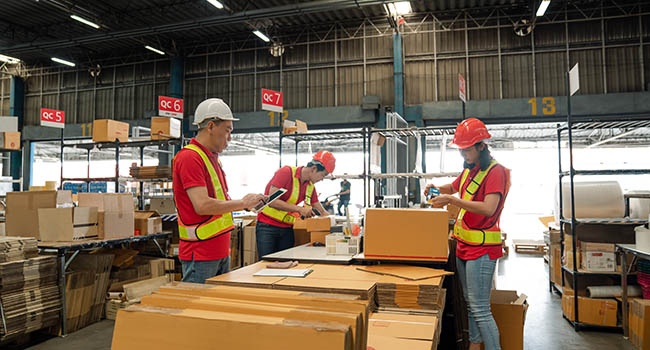
Warehousing is one of the core building blocks of supply chain management. It gives businesses a place to receive, hold, organize, and move products before those items reach customers or other facilities. Without the right warehouse space, stock can become harder to track, slower to ship, and more expensive to manage.
In day-to-day supply chain logistics, a warehouse does more than store cartons on shelves. It supports inventory flow, stock positioning, and product availability. That is why warehousing decisions affect delivery speed, stockouts, and overhead costs.
For ecommerce businesses, a 3PL service often works by taking over these warehousing tasks. The provider receives inventory from suppliers, stores it, tracks inventory levels, and then helps move products through fulfillment or distribution when customer orders arrive. This lets your team focus on core competencies instead of running your own warehouse.
What Is a Fulfillment Center?
A fulfillment center is a warehouse built for movement. Instead of mainly holding products for long periods, it supports the fulfillment process from the moment inventory arrives to the moment an order ships. Its main job is fast, accurate order fulfillment.
When orders come in through different sales channels, the center picks the right items, packs them, and prepares them for shipment. Many fulfillment operations are designed to support frequent order activity, shorter storage cycles, and faster delivery expectations.
3PL companies often offer these services through fulfillment centers. Typical support includes receiving inventory, storage, order processing, picking, packing, shipping, inventory tracking, and reverse logistics for returns or exchanges. Some also provide value-added options such as kitting, white-glove delivery, or custom packaging, depending on the provider’s logistics solutions and business model.
How Do Traditional Warehouses Operate?
Traditional warehouses are usually designed around storage space. Their main role is to hold goods safely until the business is ready to move them. Because of that, products may stay in one location for longer periods than they would in a fulfillment center.
These facilities help companies maintain inventory levels, reduce stock risk, and support bulk storage. In many cases, the operation is less focused on individual parcel shipping and more focused on planned movement of goods across the supply chain.
A distribution center differs because it is more movement-driven. It pushes goods through the network faster, often with distribution services tied to outbound shipments. A 3PL warehouse can include both storage and active logistics functions, depending on the provider. So, not every 3PL warehouse acts like a basic storage warehouse, and not every warehouse is a true distribution hub.
The Rise of Third Party Logistics (3PL) in the United States
Third party logistics has grown quickly in the United States as businesses try to ship faster, control costs, and keep up with rising customer expectations. Growth in online sales has pushed more companies to rethink how they handle storage, shipping, and inventory across their networks.
At the same time, the logistics industry has become more technology-driven and more specialized. That has made it easier for a logistics provider to offer scalable services that many businesses once handled in-house. To understand this shift, it helps to start with what 3PL actually means.
What Does 3PL Mean in Logistics?
In logistics, 3PL means third-party logistics. The term refers to outsourced logistics services that handle one or more parts of storing, moving, or fulfilling goods. That can include warehouse space, transportation management, shipping, inventory support, or a bundled set of solutions.
Some companies use a 3PL for only one task, such as storage or transportation services. Others rely on one provider to manage larger parts of their logistics operations. In either case, the goal is the same: let specialists handle supply chain work while your team stays focused on its core business.
For many businesses, this model makes sense because warehousing and shipping require assets, software systems, and trained staff. A strong 3PL brings those resources together and often offers better scale, broader coverage, and more flexible support than an internal operation can provide on its own.

Key Differences in 3PL Offerings Compared to Traditional Warehousing
Traditional warehousing is usually centered on storage. A 3PL, by contrast, can offer a wider mix of supply chain services tied to both storage and active product movement. That broader role is one reason more companies now use outsourced partners.
Here are some common differences:
- A 3PL often bundles logistics services such as storage, picking, packing, shipping, and returns.
- Many providers support distribution services and faster delivery options, not just inventory holding.
- A 3PL may use advanced software and automation to improve operational efficiency.
- Businesses can scale volume up or down more easily with a provider network.
- Some providers help reduce fulfillment costs through shipping rates and process improvements.
These benefits matter when your business needs flexibility. Instead of investing in your own warehouse, labor, and systems, you can tap into outside expertise, wider geographic reach, and stronger customer service support through a provider built for changing demand.
Core Functions of Fulfillment Centers
Fulfillment centers are built to keep products moving. Their main purpose is to support order fulfillment with speed, accuracy, and visibility. That makes them especially useful for ecommerce brands that promise quick shipping and want consistent service across multiple channels.
Just as important, these operations shape the customer experience after a sale is made. Fast picking, careful packing, and reliable dispatch all matter. The next sections look at the services and technology behind modern fulfillment services so you can see what sets them apart.
Services Typically Provided by a Fulfillment Center
A fulfillment center usually handles the entire process that starts when inventory is received and ends when an order reaches the customer. This setup is ideal when your business needs active, repeatable support for online and multichannel selling.
Most centers provide services such as:
- Receiving inbound inventory from suppliers or manufacturers
- Storage and inventory tracking inside the facility
- Order processing for customer orders across sales channels
- Picking and packing items for shipment
- Shipping logistics, including faster delivery options
- Reverse logistics for exchanges and product returns
Some providers also offer custom packaging, kitting, or white-glove services. These features help businesses create a better customer experience while keeping operations efficient. If you are asking what key services 3PL companies offer, this is the heart of it: storage, handling, shipping, and returns managed through one coordinated system.
Role of Technology in Modern Fulfillment Operations
Technology now plays a central role in fulfillment. Modern providers use warehouse management software and connected tools to track inventory, route orders, and improve speed inside the building. That helps businesses gain more control without managing every task themselves.
Strong fulfillment operations often rely on:
- Advanced technology for inventory visibility and demand planning
- Automation and robotics to increase handling speed
- Data analytics for spotting inefficiencies and improving stock placement
- Tracking tools that support accurate delivery promises
- System integration with your existing sales and software platforms
If you want to choose the best 3PL provider for your business, look closely at the technology stack. Ask whether the tools improve visibility, reduce stockouts, support your sales channels, and fit into your current systems. A provider’s software and automation can shape cost, service quality, and long-term scalability.
Essential Features of Traditional Warehouses
Traditional warehouses still play an important role in many supply chains. They are often the best fit when a business needs dependable warehouse space for bulk goods, reserve stock, or slower-moving products. In these environments, storage comes before speed.
Because of that, the design of the facility, storage locations, and stock controls matter a lot. These warehouses support inventory management by keeping products organized and available until they are needed. The next two sections explain how that storage-first model works in practice.
Storage-Driven Operations in Traditional Warehousing
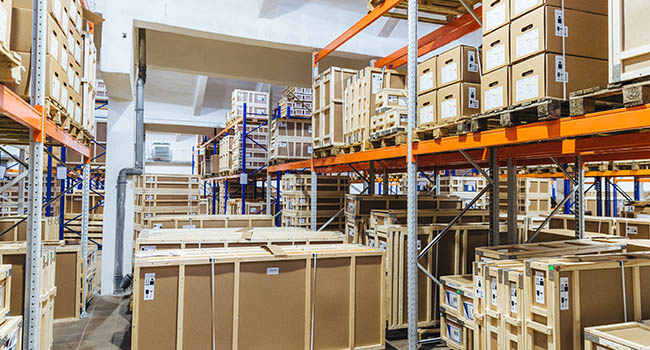
In a traditional warehouse, operations are built around storing goods efficiently and protecting available stock. Products may sit longer, so the focus is often on organization, space use, and control over inventory levels rather than fast parcel movement.
A warehouse management system can still be important here. It helps track where goods are placed, how much stock is on hand, and when items should move out. Even in storage-heavy environments, clear visibility reduces confusion and supports better planning.
This model can work well for businesses that need stable storage, but overhead costs can rise if space is underused or if tracking processes are weak. Some top-rated 3PL companies in the United States offer warehouse-based services in addition to fulfillment. Well-known names in the broader market include DHL, UPS, FedEx, C.H. Robinson, CEVA Logistics, DB Schenker, and Kuehne + Nagel.
Distribution Center vs Warehouse: Operational Differences
A warehouse and a distribution center may look similar from the outside, but their daily purpose is different. Warehouses are usually designed to hold products. Distribution centers are designed to move products through the network faster.
That difference affects labor, layout, and outbound activity. Distribution services often involve more frequent shipping, shorter dwell times, and closer links to customer delivery schedules. A 3PL warehouse may operate like either model, depending on the services offered.
Feature | Traditional Warehouse | Distribution Center | 3PL Warehouse |
Main purpose | Long-term or medium-term storage | Fast product movement and outbound flow | Can combine storage and active fulfillment or distribution |
Inventory flow | Slower turnover | Higher turnover | Varies by provider and contract |
Shipping activity | Lower frequency | High frequency | Often tied to client demand |
Warehouse space use | Storage-focused | Staging and movement-focused | Flexible across storage and shipping needs |
Shipping costs impact | Less tied to parcel speed | More tied to rapid outbound volume | May improve costs through scale and carrier relationships |
Comparing Key Services: Fulfillment Center vs Warehouse
When you compare these two models side by side, the difference comes down to what each facility is built to do every day. Some service providers focus on storage stability, while others focus on speed, order flow, and delivery performance.
That choice affects fulfillment costs, staffing, software, and your shipping strategy. If your products move quickly, a fulfillment center may offer more value. If your priority is controlled storage, a warehouse may be enough. The next sections compare the biggest service differences in more detail.
Order Processing and Shipping Capabilities
Order processing is where fulfillment centers stand apart most clearly. These facilities are set up for rapid order fulfillment, often handling a constant stream of customer orders from ecommerce and other sales channels. Their systems are built for speed, accuracy, and repeat volume.
Traditional warehouses usually do not center their workflow around single-order picking and parcel shipments. They may support planned transfers, bulk shipments, or scheduled replenishment instead of direct-to-consumer flow. That makes them useful, but not always ideal for fast-moving customer demand.
Key 3PL services in this area often include receiving, storage, picking, packing, labeling, shipment preparation, and carrier handoff. In a fulfillment-focused environment, shipping logistics are integrated into the daily operation. In a storage-first warehouse, shipping is often secondary to stock holding and inventory control.
Inventory Management Approaches
Inventory management looks different in each model because the business goal is different. A fulfillment center tracks stock for active selling and quick replenishment. A traditional warehouse often tracks stock for reserve holding, bulk storage, or later movement.
Here are a few practical differences:
- Fulfillment centers use warehouse management software to support real-time order flow.
- Traditional warehouses often focus on storage accuracy and longer holding periods.
- Fulfillment setups may reposition stock closer to customers to reduce delays.
- Storage-heavy sites may prioritize capacity use over rapid outbound movement.
- Fulfillment operations usually connect inventory tracking with product returns processing.
When choosing the best 3PL provider, ask how inventory is managed across locations, how often data updates, and whether the provider can support your service expectations. Good visibility matters whether your goal is faster shipping, fewer stockouts, or cleaner control across several channels.

Handling Returns and Reverse Logistics
Returns are a major part of modern commerce, especially for ecommerce brands. A fulfillment-centered operation is often better prepared for reverse logistics because it already has systems for receiving items, checking condition, and deciding whether goods should be restocked or removed.
Traditional warehouses can manage product returns too, but that is not always their main design priority. If returns are frequent, a storage-only model may slow down processing or create extra handling steps that affect service quality.
One of the main benefits of using a third-party logistics provider is access to established returns workflows. A capable provider can handle inbound return shipments, warehouse receipt, inspection, restocking decisions, and disposal when needed. That supports customer satisfaction while saving your internal team time and effort.
Staffing and Warehouse Temp Labor Considerations
People are just as important as systems in any warehouse operation. The number of warehouse workers you need, the skills they require, and the pace they work at will vary depending on whether the facility is fulfillment-driven or storage-driven.
This is where temporary labor often enters the picture. Seasonal spikes, product launches, and sudden demand changes can all strain labor management. The next sections explain why flexible staffing matters and how labor challenges differ between fulfillment centers and traditional warehouses.
The Importance of Temporary Labor in Warehousing
Warehousing demand rarely stays flat all year. Order surges, peak seasons, and market shifts can increase workload quickly. When that happens, businesses often rely on temporary labor to keep goods moving without overcommitting to permanent staffing.
In fulfillment environments, extra warehouse workers may be needed for picking, packing, and outbound staging during high-volume periods. In traditional storage settings, temp teams may support receiving, stocking, or cycle-related work. In both cases, labor flexibility helps protect operational efficiency.
Many leading providers build this flexibility into their operations. Top-rated 3PL companies in the United States often succeed because they combine facilities, technology, and labor capacity at scale. That lets clients respond faster to demand changes than they could with a smaller in-house team or fixed staffing structure.
Labor Management Challenges in Different Models
Labor management gets harder when volumes change, service promises tighten, and multiple workflows happen at once. Fulfillment centers usually face more daily pressure because shipping deadlines and customer service expectations are tied closely to labor performance.
Common challenges include:
- Matching staffing levels to swings in order volume
- Training workers to use software and process orders accurately
- Maintaining speed without hurting customer service quality
- Coordinating temporary labor during peak periods
- Balancing storage tasks with outbound shipping demands
If you are choosing among service providers, ask how they plan for labor spikes, how they track productivity, and how they protect service levels during busy periods. A provider’s staffing model can directly affect shipping speed, order accuracy, and your customer experience when demand rises unexpectedly.
Evaluating Costs: How Pricing Works in Warehousing Solutions
Cost is often the deciding factor when businesses compare warehousing options. The challenge is that pricing can look simple at first but reflect very different services underneath. Storage, labor, shipping, and technology all influence the final number you pay.
That is why you need to understand pricing models, not just price quotes. A fulfillment partner may create cost savings through scale and speed, while a traditional setup may seem lower cost but carry hidden overhead costs. The next sections explain how each side is usually priced.

Typical Pricing Models for Third Party Logistics Services
Third party logistics providers can use several pricing models depending on the services included. Some offer simple bundled structures, while others break charges into separate activity-based fees. The goal is to match payment to storage, handling, and shipping activity.
Common charges may include:
- Storage fees based on space used
- Receiving fees for inbound inventory
- Pick and pack fees tied to each order
- Shipping rates based on parcel size, speed, and destination
- Returns processing charges
- Discounts tied to volume or bundled services
So, how does pricing usually work with 3PL providers? In most cases, you pay for the parts of the fulfillment process you use. Providers with strong carrier relationships may also help lower fulfillment costs through better shipping rates. Still, it is smart to review contracts carefully and watch for complex fee structures.
Factors Affecting Costs in Traditional Storage Warehouses
Traditional storage warehouses are usually priced more around space and time than order activity. If products stay longer, you may pay based on square footage, pallet count, or how much warehouse space your inventory occupies over a given period.
Costs can also rise with labor, facility upkeep, and software systems used for inventory management. If a business runs its own warehouse, overhead costs may include rent, equipment, workforce expenses, and the technology needed to track stock accurately.
That is why pricing is not just a monthly storage number. The full cost includes how efficiently space is used, how well stock is controlled, and whether your operation needs added services later. In many cases, a lower storage price can still lead to higher total cost if processes are slow or underused.
Conclusion
In conclusion, understanding the differences between fulfillment warehouses and traditional warehouses is crucial for optimizing your logistics strategy. Fulfillment centers offer speed, technology integration, and tailored services that cater to e-commerce demands, while traditional warehouses focus on storage and bulk distribution. By evaluating key factors like order processing, inventory management, and cost structures, businesses can make informed decisions based on their unique needs. Whether you’re a small startup or an established enterprise, aligning your warehousing strategy with your business goals can significantly enhance operational efficiency and customer satisfaction. If you’re ready to streamline your logistics processes, consider exploring tailored fulfillment solutions to meet your business requirements.
Frequently Asked Questions
Is warehousing always included when working with a 3PL?
Not always. A 3PL can offer a single service or a broader bundle of logistics services. Some service providers focus on transportation or other supply chain functions, while others include warehouse space as part of the package. It depends on the logistics provider and the agreement you choose.
What industries benefit most from third party logistics?
Many industries use 3PL support, including ecommerce, healthcare, automotive, chemicals, construction, manufacturing, and public sector organizations. Businesses with a broad customer base, changing demand, or expansion goals often benefit most. In the logistics industry, 3PL works well when the business model depends on strong supply chain management and access to major carriers.
How do I choose the right fulfillment solution for my business?
Start by looking at your order volume, delivery goals, and sales channels. Then compare providers based on fulfillment services, pricing, technology, and service range. The right choice should improve your logistics operations, support reliable order fulfillment, and strengthen the customer experience without adding unnecessary complexity.

Haley serves as the Marketing Manager for Complete Quality Solutions. She joined CQS in 2023 with her prior experience gained with GXO and XPO Logistics.