Business Development
(224) 213-5119
General Information
(513) 776-1078

- By Haley
- October 15, 2026
Table of Contents
Key Highlights
- Cross-docking moves goods through warehouse operations with little or no storage time, helping speed order flow.
- Transloading shifts freight between transportation modes, which supports flexible supply chain logistics across long distances.
- Both models can create cost savings, but they reduce different expenses in different ways.
- A 3PL can manage cross-docking, transloading, fulfillment, and broader logistics planning.
- Your best choice depends on order volume, product type, routing needs, and available warehouse space.
- Knowing the difference helps you improve service, control shipping costs, and support growth.
Introduction
Your supply chain works best when products move quickly, costs stay controlled, and customers get what they expect. That is why many businesses compare cross-docking vs transloading when reviewing third-party logistics services. While both support faster movement of goods, they solve different problems in order fulfillment. One focuses on rapid transfer through a facility. The other supports shifting freight between transport modes. If you want a smarter setup for speed, flexibility, and cost control, understanding both options is the next step.
Understanding the Basics of Cross-Docking and Transloading
Cross-docking and transloading are both logistics solutions that keep freight moving, but they serve different roles in supply chain management. In simple terms, cross-docking is about quick transfer and minimal dwell time inside a facility. Transloading is about changing how freight travels during its journey.
That difference matters when you are planning warehouse space, delivery speed, and shipping logistics. One approach helps with fast local distribution. The other supports long-haul routing and multimodal flexibility. The sections below break down each model and show where each one fits best.
What Is Cross-Docking in Warehouse Logistics?
Cross-docking is a warehouse method where inbound goods are received, sorted, and sent back out with very little time spent in storage. Instead of placing products on shelves for days or weeks, teams move them through the building quickly. That makes it useful when speed matters.
In warehouse management, this approach supports faster logistics operations because handling steps are reduced. Products may arrive from a manufacturer or supplier and leave soon after for stores, distribution points, or end customers. You avoid building up extra inventory when demand is clear and timing is tight.
For your supply chain, cross-docking works best when shipments are predictable and product flow is steady. It can reduce storage needs, improve order movement, and help businesses keep goods closer to final demand without holding them too long inside the facility.
What Is Transloading and How Does It Work?
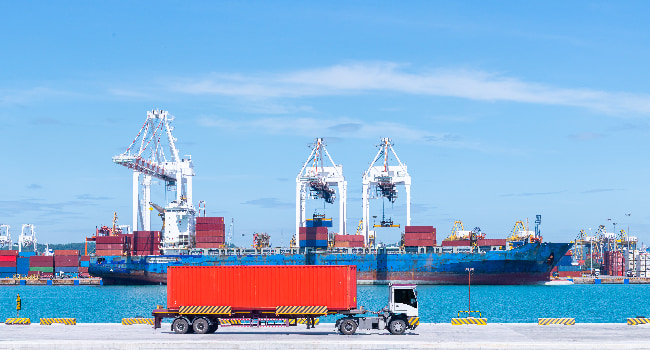
Transloading is the process of moving freight from one transportation mode to another during transit. A shipment may arrive by ocean freight, rail, or truck and then be transferred so it can continue toward its final destination. The goods may pass through a storage facility briefly, but the main purpose is transfer, not long-term holding.
In shipping logistics, this is helpful when a single mode cannot complete the full route efficiently. A container might come into a port, then be unloaded and reworked for regional trucking. In other cases, bulk freight can shift from a rail car to trucks for local delivery.
For supply chain logistics, transloading adds flexibility. It helps businesses reach new markets, adjust routes, and use transportation services that fit distance, timing, and cost goals more effectively.
Key Differences Between Cross-Docking and Transloading
At a glance, both methods move goods through a facility. Still, the purpose is not the same. Cross-docking focuses on quick receiving and outbound transfer with little use of warehouse space. Transloading focuses on changing transportation modes to support routing and delivery efficiency.
A logistics provider may offer both, but the business case differs. Cross-docking usually targets speed and lower handling or storage exposure. Transloading often helps manage shipping costs across long distances or complex import and domestic lanes.
- Cross-docking limits dwell time inside the building.
- Transloading changes freight from one mode to another.
- Cross-docking supports fast order flow.
- Transloading supports route flexibility and cost savings.
This also connects to the difference between 3PL and traditional warehousing. Traditional warehousing centers on storage in a company-owned or leased site. A 3PL offers broader logistics operations, often including transportation, fulfillment, inventory support, and transfer services. Our guide to the types of logistics companies explains how these models compare.
Core Concepts of 3PL in Modern Supply Chains
A 3PL is a third-party logistics partner that handles parts of your logistics network for you. Instead of managing every task in-house, you work with a logistics provider that offers supply chain solutions such as warehousing, inventory handling, shipping, and fulfillment.
This matters because modern businesses often need more than basic storage. They need flexible support across sales channels, changing demand, and new markets. That is where 3PL services connect directly to cross-docking and transloading, which we will cover next.
The Role of 3PL Providers in Warehouse Operations
What does 3PL mean in logistics? It means third-party logistics. In practice, a 3PL is an outside company that manages parts of your warehousing, transportation, and fulfillment process. Businesses use these logistics services when they want expert help without building every capability themselves. Our comprehensive guide to 3PL services covers the full picture.
Inside warehouse operations, 3PL providers may receive inventory, store it, track stock levels, pick and pack orders, ship products, and handle product returns through reverse logistics. Many also support faster delivery options, inventory management systems, and broader supply chain management planning.
That support is useful for ecommerce businesses and growing brands. It lets your team focus on core business priorities like product development, marketing, or customer support while the provider handles fulfillment services and day-to-day logistics execution with a more scalable business model.
How 3PL Integrates Cross-Docking and Transloading
A strong logistics provider can combine cross-docking and transloading within one fulfillment process. That gives you more control over how goods move from inbound receipt to outbound delivery. Rather than using one fixed method, the provider matches the service to your route, order pattern, and timing needs.
How does cross-docking work within 3PL services? Goods arrive at the facility, are checked and sorted, then move quickly to outbound staging instead of going into long-term storage. Transloading may happen in the same broader network when shipments must shift between truck, rail, or ocean-linked movements.
- Cross-docking supports fast movement for customer orders.
- Transloading supports flexible routing between transport modes.
- A 3PL coordinates both within wider logistics operations.
This setup can improve service across sales channels while reducing unnecessary handling and helping businesses respond faster to demand changes.
Comparing 3PL with Traditional Warehousing
Many businesses ask what the difference is between 3PL and traditional warehousing. The short answer is scope. Traditional warehousing focuses mainly on storing inventory. A 3PL handles a broader set of logistics operations that can include fulfillment, transportation, returns, and technology support.
That wider role can improve cost control and responsiveness. If your business is growing, entering new markets, or dealing with changing order volume, a 3PL often gives you more flexibility than relying only on warehouse space.
Area | 3PL | Traditional Warehousing |
| Main purpose | End-to-end supply chain logistics support | Primarily storage and basic handling |
| Services | Fulfillment, shipping, inventory management, reverse logistics, cross-docking, transloading | Storage, receiving, and limited outbound support |
| Flexibility | Adapts to demand changes and multiple sales channels | More fixed and storage-centered |
| Cost structure | Can reduce overhead costs through shared resources and scale | May require more in-house labor and systems |
| Business impact | Supports growth, speed, and broader logistics solutions | Supports stock holding and basic distribution |
So if you need movement, visibility, and service depth, a 3PL usually goes beyond what traditional storage can provide.
The Cross-Docking Process Explained
Cross-docking is built for speed. In supply chain logistics, the goal is to move freight through a facility with minimal delay, not to hold it in storage. That makes it useful when timing, steady demand, and fast warehouse unloading are top priorities.
Instead of treating the building like a long-term storage point, teams use it as a transfer hub. To see why that matters, it helps to walk through the basic process, common models, and the industries that rely on it most.
Step-by-Step Warehouse Crossdock Process
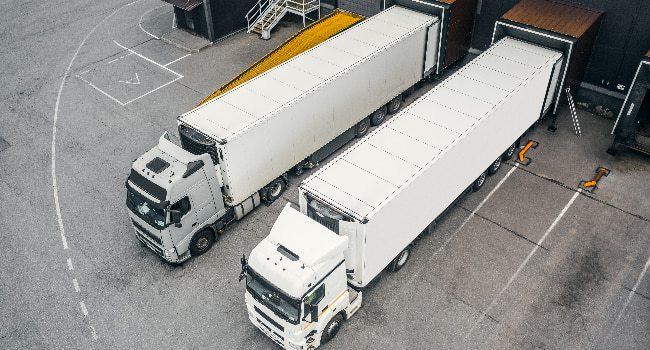
Cross-docking follows a simple flow, but timing and coordination matter. In warehouse management, teams receive incoming goods, identify where they need to go next, and move them quickly to outbound staging. The facility acts as a short-stop transfer point rather than a place for extended storage.
This works best when supply chain logistics are organized in advance. Product data, delivery plans, and outbound demand need to be clear before trucks arrive. When information is accurate, logistics operations move faster and with fewer touches.
- Inbound shipments arrive and are unloaded.
- Goods are checked, sorted, and matched to outbound needs.
- Items are staged briefly near outbound doors.
- Outbound trucks are loaded for final delivery or distribution.
If your business needs faster transfer and less inventory sitting idle, this process can support better flow without the burden of long-term storage.
Types of Cross-Docking Solutions
Not every cross-docking setup looks the same. A logistics provider can shape the process around your network, your customers, and your product flow. Some operations are built around retail replenishment. Others support ecommerce fulfillment services or movement between distribution points.
One variation uses strategically placed warehouse locations to position goods close to end demand. Another uses a transfer site to connect suppliers with outbound delivery lanes. In both cases, the main idea stays the same: move products through fast instead of storing them for long periods.
As part of broader supply chain solutions, the right model depends on order patterns, shipping commitments, and how predictable your inbound flow is. If timing is stable, cross-docking can support faster distribution with less warehouse pressure and fewer delays across the network.
Common Industries Using Cross-Docking
Cross-docking is useful in industries where products need to move quickly and predictably. Businesses with steady replenishment cycles or time-sensitive customer orders often benefit most. Since goods spend less time waiting, the process supports a more responsive supply chain.
It also helps companies serving multiple sales channels. A distribution center can receive goods in bulk, sort them fast, and send them to the right destination without tying up storage capacity. That makes the model practical for both store and direct-to-consumer flows.
- Ecommerce operations handling frequent customer orders
- Retail networks supplying stores from a distribution center
- Businesses that need quick movement across multiple sales channels
If your products have consistent demand and your outbound plans are clear, cross-docking can improve speed while keeping inventory flow lean.
The Transloading Process in Depth
Transloading plays a different role from cross-docking. Instead of focusing only on fast facility transfer, it supports multimodal shipping by moving goods between transportation modes. That makes it especially useful in supply chain logistics when freight travels long distances or arrives through ports and rail hubs.
A transloading site can become a flexible bridge between inbound and outbound routes. To understand where it fits, let’s look at warehouse transloading, the types of product transfers involved, and common real-life use cases.
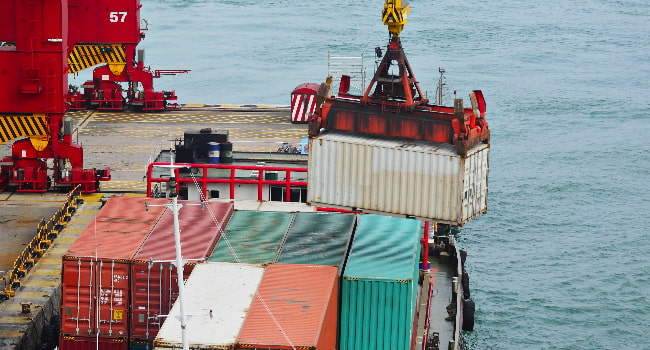
Understanding Warehouse Transloading
Warehouse transloading happens when goods enter a facility so they can be transferred from one mode of transport to another. The main goal is movement, not long-term storage. A shipment may arrive by ocean container, rail car, or truck and then be reloaded for the next leg.
From a warehouse management standpoint, this requires careful scheduling, handling, and routing. Teams need to know where the freight came from, how it must be handled, and what transportation services will carry it to the final destination. Even a short delay can affect later delivery steps.
Within supply chain logistics, transloading helps businesses connect different legs of a route more efficiently. It is one of the logistics services that makes long-haul, import, and regional distribution networks more practical without forcing one transportation mode to do every part of the job.
Types of Transloading Product Transfers
Transloading can involve several kinds of product transfers, depending on freight type and route design. The process may include palletized goods, bulk products, or items that need special handling. Because of that, warehouse operations must match the facility setup to the shipment.
Some transfers are simple and fast. Others require more planning, custom packaging, or heavy equipment. Businesses often rely on these moves so internal teams can stay focused on priorities like product development, sales, and customer service while specialists manage the physical movement.
- Ocean container to truck for inland delivery
- Rail car to truck for regional distribution
- Truck to another trailer type for route efficiency
In shipping logistics, the transfer method depends on cargo size, destination, handling needs, and timing. When those pieces line up, transloading supports a more flexible and cost-aware network.
Real-Life Scenarios for Transloading
Real-life transloading often begins when freight arrives through a port or inland rail terminal. Businesses use it when one mode is best for the long haul, but another is better for the last stretch. That makes the process common in broad supply chain logistics networks.
For example, goods shipped by ocean freight may need to be broken down and reloaded to continue inland. In other cases, bulk or containerized freight arriving by rail car may be shifted to trucks so it can reach multiple final delivery points more efficiently.
- Port imports moved from ocean freight containers to domestic trucks
- Inland shipments transferred from a rail car to road transport
- Regional distribution where transportation services change near destination
If your network crosses long distances or mode changes, transloading can help make those transitions smoother and more practical.
Key Functions of Cross-Docking in Warehouse Operations
Cross-docking supports more than speed alone. In warehouse operations, it helps teams move products with fewer touches, less holding time, and better flow from receiving to shipping. That can improve order fulfillment when demand is steady and timing is clear.
It also changes how labor, inventory, and customer service work together. The following sections explain how fast loading matters, where warehouse lumpers fit in, and how cross-docking helps maintain smoother inventory movement.
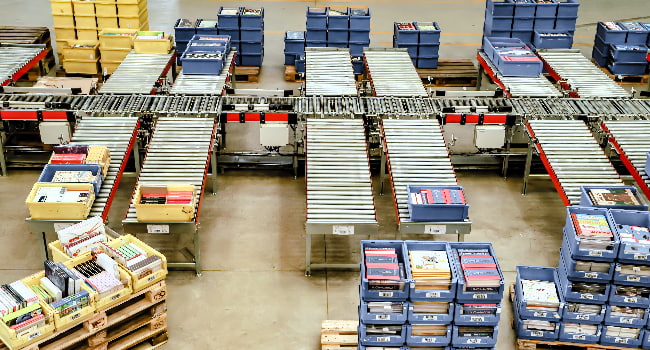
Fast Warehouse Unloading and Loading
Fast warehouse unloading is one of the biggest functions of cross-docking. When inbound freight is unloaded quickly and moved to the right outbound area, the facility avoids congestion and keeps goods from sitting too long. That creates a smoother path for order processing.
In supply chain logistics, speed at the dock can affect the whole day. Delays during receiving can slow outbound dispatch, reduce trailer availability, and disrupt customer delivery plans. Cross-docking helps limit that risk by keeping the process focused on immediate transfer rather than storage putaway.
For your logistics operations, this can mean better flow, fewer handling steps, and stronger use of dock capacity. If trucks arrive and depart on a tight schedule, an efficient dock schedule and fast loading and unloading can support a more reliable warehouse rhythm and quicker downstream service.
Role of Warehouse Lumpers in Cross-Docking
Warehouse lumpers are the workers who help unload, sort, and move freight inside a facility. In a cross-docking setup, their role is important because timing matters. If inbound goods are not handled quickly, the outbound side slows down as well.
Within logistics operations, these teams may support trailer unloading, basic sorting, pallet movement, and staging. Their work helps maintain flow across the dock and supports better supply chain management by reducing bottlenecks during busy receiving windows.
You may not think of this as customer support, but it affects service directly. When cross-dock labor performs well, orders move out faster and delivery promises are easier to keep. In that sense, efficient dock handling supports both operations and the customer experience at the same time.
How Cross-Docking Optimizes Inventory Flow
Cross-docking improves inventory management by reducing the time products spend sitting still. Instead of holding large amounts of stock in reserve, businesses move goods through the network closer to when they are needed. That supports leaner stock levels.
This approach works well as one of several supply chain solutions for businesses with steady demand and predictable routing. When inbound and outbound timing match, products can pass through the facility without becoming part of long-term stored inventory. That cuts down on unnecessary handling and space use.
For your operation, the result can be cleaner inventory flow and less pressure on warehouse capacity. Cross-docking does not replace all storage needs, but it can reduce slow buildup and help businesses position the right goods for faster movement when demand is known.
Key Functions of Transloading in Warehouse Operations
Transloading serves a different warehouse purpose. In warehouse operations, it helps businesses connect transportation modes and keep freight moving across longer, more complex routes. That makes it one of the more flexible logistics solutions when a direct single-mode trip is not the best option.
The value goes beyond simple transfer. It can support import and export flows, specialized handling needs, and changes in transportation planning. The next sections explain where transloading fits and how it improves route flexibility.
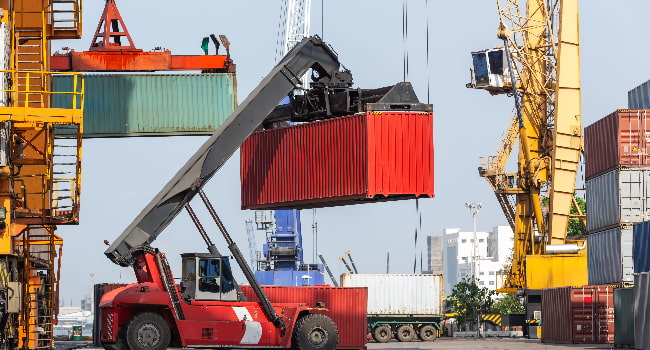
Handling Import and Export Shipments with Transloading
Transloading is especially useful for import and export shipments because international freight often does not move from origin to destination in one simple step. Goods may arrive at a port, rail terminal, or transfer site and need to be shifted before continuing inland or outbound.
In international shipping, that change might involve unloading containers and preparing freight for domestic trucking. On the export side, products may be gathered, transferred, and prepared for the next transportation leg. The goal is to connect shipping services efficiently across different parts of the route.
For supply chain logistics, this creates a practical bridge between global and domestic movement. If your business depends on imported inventory or ships to wider markets, transloading can help align the route with available carriers, infrastructure, and delivery requirements without relying on one fixed mode.
Use of Specialized Equipment in Warehouse Transloading
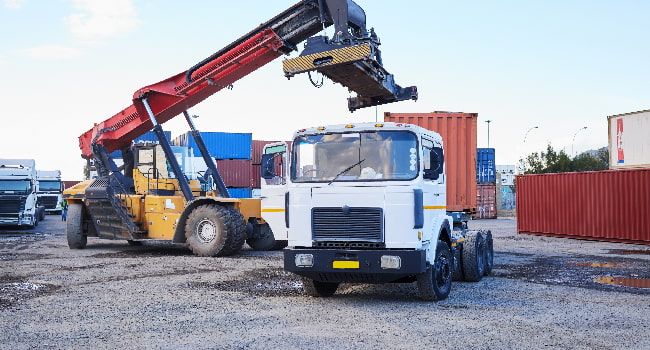
Some freight can be moved by hand or pallet jack, but many transloading jobs require specialized equipment. That is because the cargo may be bulky, heavy, or loaded in a format that does not match the next transportation mode. Safe transfer depends on using the right tools.
In warehouse management, this can include loading gear, handling systems, or heavy equipment suited to the freight type. A provider must also match labor skills to the job. Poor handling at this stage can create damage, delay, or extra costs later in the route.
For your transloading plan, equipment readiness is a major factor. If the shipment is unusual in size or form, the facility must be built for it. That is one reason businesses often choose experienced logistics companies for complex transfers involving equipment-intensive movement.
Impact on Transportation Modes and Flexibility
Transloading expands your transportation choices. Instead of depending on one method from start to finish, you can combine transportation services that fit each leg of the trip. That may improve route options, service range, and response to change.
In shipping logistics, this matters when carrier availability shifts, when one mode becomes too costly, or when certain lanes work better with rail, truck, or ocean freight at different stages. Multimodal shipping gives planners more room to adapt without rebuilding the whole network.
As one of several supply chain solutions, transloading supports flexibility more than storage-based models do. It helps businesses adjust routes, extend delivery reach, and move freight more effectively across long distances. If your network needs adaptability, this function becomes a major advantage.
Benefits of Cross-Docking for U.S. Businesses
For many businesses in the United States, cross-docking is attractive because it can speed movement and reduce the burden of storing goods. In warehouse management, that often means quicker transfers, fewer touches, and a simpler path to order fulfillment.
The value is not just operational. Faster movement can improve customer experience, reduce storage pressure, and streamline distribution across regional networks. The sections below explain the main business benefits in more detail.
Improved Delivery Speeds and Customer Satisfaction
Cross-docking can improve delivery times because products spend less time waiting inside the building. When freight moves directly from inbound receipt to outbound shipment, the network responds faster. That is a clear win for supply chain logistics.
Shorter internal delays often lead to better customer service. If your business can move orders out sooner, customers are more likely to receive goods when expected. Reliable speed supports customer satisfaction because people care about both timing and consistency.
This does not mean every product should skip storage. Still, for predictable demand and planned transfers, cross-docking helps reduce idle time between arrival and dispatch. That can make delivery performance stronger and create a better customer experience without adding unnecessary warehouse complexity.
Lower Warehouse Storage Costs
One of the clearest benefits of cross-docking is lower storage costs. When goods move through quickly, your business uses less warehouse space for long-term holding. That can create cost savings, especially when order flow is steady and well planned.
In supply chain logistics, storage is only one part of the cost picture, but it matters. The longer products sit, the more space, labor, and management attention they require. Cross-docking reduces that exposure by shortening the time inventory stays inside the facility.
For businesses watching margins, this approach can support better use of existing capacity. You may not need to expand storage space as quickly if more freight is handled as fast-moving transfer volume. That makes cross-docking appealing when reducing facility pressure is a priority.
Streamlined Supply Chain and Distribution
Cross-docking helps streamline the supply chain by simplifying how products move from receipt to shipment. Instead of adding extra storage and retrieval steps, businesses keep goods moving. That can tighten timing and reduce confusion across the network.
In logistics operations, fewer touches often mean fewer chances for delay. Teams spend less time relocating inventory and more time moving product toward customers. That supports stronger order fulfillment, especially when shipment plans and customer orders are already known in advance.
The result is better operational efficiency. Your business can handle volume with less internal drag, use dock activity more effectively, and create a more direct distribution flow. If you are trying to reduce waste in movement rather than simply store more goods, cross-docking supports that goal well.
Benefits of Transloading for U.S. Businesses
Transloading gives U.S. businesses a different kind of advantage. Rather than focusing mainly on faster dock turnover, it improves how freight travels across long distances and changing route conditions. In shipping logistics, that flexibility can protect service and cost performance.
It can also support better customer experience by helping goods reach the right market through the most practical transportation mix. The next sections cover transportation savings, multimodal advantages, and why quick turnarounds matter when demand shifts.
Reducing Transportation Costs in Long-Haul Moves
Transloading can reduce transportation costs by allowing businesses to use the most efficient mode for each part of a journey. A long-haul leg may work better by rail or ocean-linked movement, while the final stretch may work better by truck. That mix can improve cost control.
Instead of paying one transportation method to do every mile, a logistics provider can build a route that balances speed, reach, and shipping rates. This is especially useful for freight traveling long distances across regions where direct truck movement may not be the best fit.
For businesses focused on cost control, transloading creates options. You can match the route to the cargo and destination rather than force the cargo into one standard pattern. Over time, that can help manage spend while preserving service quality.
Enhancing Multimodal Shipping Flexibility
Multimodal shipping is one of the biggest strengths of transloading. When a business can shift between transportation modes, it gains more ways to reach customers, facilities, and new markets. That flexibility can be critical during network changes.
In logistics operations, businesses often face shifting demand, route disruptions, or different service needs by region. Transloading supports supply chain logistics by making it easier to connect shipping services across those varying conditions. Freight does not need to be locked into one route from start to finish.
For your network, that means more agility. If one mode is constrained or less effective, another can take over part of the trip. The result is a transportation plan that is more adaptable and often better aligned with real-world operating conditions.
Fitting Market Demands with Quick Transload Turnarounds
Markets change quickly, and freight plans need to keep up. Transloading helps by giving businesses a way to redirect shipments, break down incoming loads, and prepare them for the next leg without building a large storage commitment. That supports changing order volume more effectively.
In supply chain management, quick transload turnarounds are useful when demand spikes, routes shift, or inventory must move toward a different region. The process keeps goods in motion while allowing teams to adapt the fulfillment process around current needs.
For customer experience, that matters because flexibility helps protect delivery flow. When your network can adjust to new demand patterns without stopping everything for long storage or full re-planning, service becomes easier to maintain even during busy periods.
When to Choose Cross-Docking Over Transloading
Choose cross-docking when your priority is rapid product flow through a facility rather than changing transportation modes. In warehouse management, it is usually the better fit when inbound and outbound timing is clear, storage needs are low, and delivery speed matters most.
That does not make it better in every case. It simply means your logistics solutions should match your shipment pattern. The next sections cover the main decision points, including inventory, product type, and location factors.

Warehouse Inventory Considerations
One of the first factors to evaluate when choosing between cross-docking or transloading is inventory management. If your goal is to avoid holding products for long and keep goods moving fast, cross-docking may be the better choice. It is built around minimal use of warehouse space.
This makes sense when product demand is predictable and outbound plans are ready before freight arrives. In those conditions, cross-docking supports leaner supply chain solutions because products do not need to enter long-term storage before shipment.
You should also look at how much buffer inventory your operation needs. If you need goods to pass through quickly with little delay, cross-docking fits well. If you need mode changes, route flexibility, or temporary holding as part of movement, transloading may be the stronger option.
Order Volume and Product Types
Order volume plays a big role in the decision. Cross-docking works best when there is enough steady flow to justify quick sorting and outbound dispatch. If shipments come in regularly and outbound demand is known, a fulfillment center can move goods efficiently without building up stock.
Product types matter too. Goods that are easy to sort, stage, and redirect often fit cross-docking better than freight needing specialized transfer or route changes. In warehouse management, simple, consistent movement supports faster handling.
If your business ships predictable volumes of standard products, cross-docking can create a cleaner process. If the freight is bulk, long-haul, imported, or likely to shift between transportation modes, transloading may offer more flexibility. The right answer depends on how the freight actually moves.
Geographic and Distribution Factors
Geography can make cross-docking a strong choice when goods need to move through a regional distribution center and head quickly to stores or customers. If your network is built around fast domestic movement, the model can work very well.
In supply chain logistics, warehouse locations also matter. Cross-docking is most effective when facilities are placed near key customer zones or connected distribution points. That helps reduce delay between inbound receipt and final delivery.
So ask yourself a simple question: are you mainly trying to speed direct movement through the network, or do you need to change transportation modes along the way? If final delivery depends more on quick regional transfer than route conversion, cross-docking is often the better fit.
When to Choose Transloading Over Cross-Docking
Choose transloading when your freight needs transportation flexibility more than fast pass-through handling. In the supply chain, it is usually the better option when shipments move across long distances, enter through ports, or need to shift between rail, truck, or ocean-linked routes.
That makes it especially useful in complex logistics operations. The following sections show when transloading stands out, including international moves, seasonal surges, and changing carrier conditions.
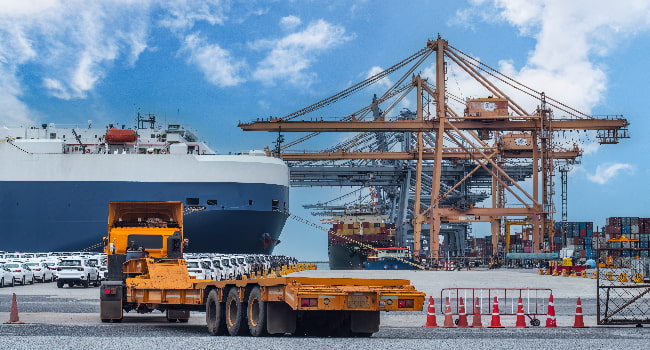
International and Coastal Shipments
Transloading is often the better fit for international shipping because imported goods rarely move from overseas origin to inland final destination on one continuous mode. Shipments arriving at coastal ports usually need another step before domestic distribution can begin.
That is where ocean freight connections matter. Containers may arrive at port, then be unloaded and reconfigured for truck or rail movement. Among logistics solutions, transloading is designed for exactly that kind of handoff between transportation stages.
If your business depends on coastal imports or export-linked traffic, cross-docking alone may not solve the routing challenge. Transloading gives you the ability to bridge global and domestic movement more effectively, especially when the shipment must change format or mode before it can continue inland.
Seasonal Demand Spikes and Bulk Moves
Seasonal demand can put pressure on transportation and facility planning. During these periods, transloading helps businesses redirect freight, break down large inbound shipments, and reposition inventory more flexibly. That can be useful when order processing needs change quickly.
In supply chain logistics, bulk moves often do not fit a simple fast-transfer dock model. Large volumes arriving by rail, ocean, or consolidated truckload may need to be divided and routed in stages. Transloading supports that kind of movement better than a pure cross-dock setup.
If your business sees surges around holidays, promotions, or regional demand shifts, transloading can give you more room to adapt. It supports large inbound volume without assuming that every shipment is ready for immediate direct outbound dispatch.
Adapting to Changing Carrier Availability
Carrier availability changes, and your transportation plan may need to change with it. Transloading helps because it allows businesses to shift freight between transportation services instead of waiting for one exact option to become available again.
In supply chain management, that flexibility can be valuable during disruptions, lane shortages, or changing market conditions. A business that can move freight from one mode to another has more options than one tied to a single route design. That makes logistics operations more resilient, and it supports broader supply chain risk mitigation.
For your network, this means better adaptability when trucking capacity tightens or when another mode makes more sense for part of the route. If mode choice is a moving target, transloading gives you a practical way to keep freight moving without overcommitting to one carrier path.
Costs Associated with Cross-Docking and Transloading
Cost is often the deciding factor when comparing these two models. Cross-docking may reduce storage costs by limiting how long goods stay in the building. Transloading may reduce shipping costs by using a smarter mix of transportation modes.
Neither option is automatically cheaper in every case. The real answer depends on your route design, handling needs, and volume patterns. The sections below break down pricing logic and offer practical tips for better cost savings.
Typical Cross-Dock Service Pricing Models
Cross-docking pricing usually reflects handling and movement rather than long-term storage. Since freight is meant to pass through quickly, charges are often tied to receiving, sorting, staging, and outbound loading activity instead of extended inventory holding.
That can help reduce overhead costs in the right business model. If your company avoids adding more warehouse space, labor, and storage systems, cross-docking may lower the total burden of moving product. It can also support lower shipping costs indirectly by improving speed and flow. Our guide to 3PL costs breaks down how these fees are typically structured.
Still, the savings depend on execution. If inbound schedules are inconsistent or outbound demand is unclear, cross-docking can become less efficient. The model works best when freight turnover is fast and the operation does not need prolonged storage, rework, or repeated handling.
Analysis of Warehouse Transloading Fees
Transloading fees generally relate to transfer complexity. Costs may rise when shipments require more labor, special handling, or equipment. Unlike storage-centered pricing, the main value is in route efficiency and transportation flexibility, not in holding goods for long periods.
That means you need to compare transloading expense with potential savings in shipping rates. If changing from one mode to another lowers the cost of the overall route, the transfer fee may still support better cost control. This is especially true in long-haul or import-heavy networks.
Storage costs can also play a role if freight pauses at the facility longer than planned. So when evaluating transloading, look at the full movement picture. The right question is not just what the transfer costs, but whether it improves the economics of the whole trip.
Smart Cost Management Tips for Logistics Teams
Smart cost control starts with matching the service to the job. In supply chain logistics, cross-docking is often stronger when speed and low storage exposure matter. Transloading is often stronger when transportation design is the bigger issue. Using the wrong model can increase waste.
Your logistics operations should be reviewed across the full flow, not just one facility fee. Warehouse management decisions affect labor, storage, service, and transportation at the same time, so the best path is usually the one that improves total network performance.
- Compare total movement costs, not just one line-item fee.
- Choose the model that fits your order patterns and route needs.
- Use providers that offer broader logistics visibility and support, including real-time tracking.
When you focus on the full network, cost savings become easier to find and easier to keep.
Conclusion
Understanding the differences between cross-docking vs transloading is essential for optimizing your logistics operations. Both methods offer unique advantages that can significantly enhance efficiency, reduce costs, and improve customer satisfaction. By carefully evaluating your specific needs, such as inventory management, order volume, and geographic considerations, you can make informed decisions about which approach best suits your business. Each strategy has its own set of benefits, and knowing when to deploy them can lead to streamlined supply chains and better overall performance. If you’re ready to elevate your logistics game, contact our team for a consultation to discuss your options further.
Frequently Asked Questions
How does a 3PL manage warehouse crossdock versus transloading product storage?
A 3PL uses warehouse management to handle cross-docking as a rapid in-and-out transfer with little time in a storage facility. With transloading, the 3PL focuses on moving freight between transportation modes. Storage may be brief in both cases, but transloading is mode-driven while cross-docking is flow-driven.
What factors should I evaluate when choosing between cross-docking or transloading?
Start with supply chain management basics: order volume, product flow, storage needs, routing complexity, and where cost savings are most likely. Choose cross-docking when speed and low storage matter most. Choose transloading when freight must change transportation modes or travel through more complex routes.
How do transportation times compare between cross-docking and transloading?
Cross-docking often supports faster shipping times because goods move through the facility with minimal delay. Transloading can take longer inside the site because freight is transferred between modes, yet it may improve total route efficiency. The better choice depends on your logistics operations and customer experience goals.
What types of products are best suited for cross-docking versus transloading?
Cross-docking is best for product types with predictable demand, steady order fulfillment, and little need for long-term warehouse space. Transloading fits freight that moves long distances, arrives by rail or ocean, or needs a transportation mode change before final delivery.

Haley serves as the Marketing Manager for Complete Quality Solutions. She joined CQS in 2023 with her prior experience gained with GXO and XPO Logistics.