Business Development
(224) 213-5119
General Information
(513) 776-1078

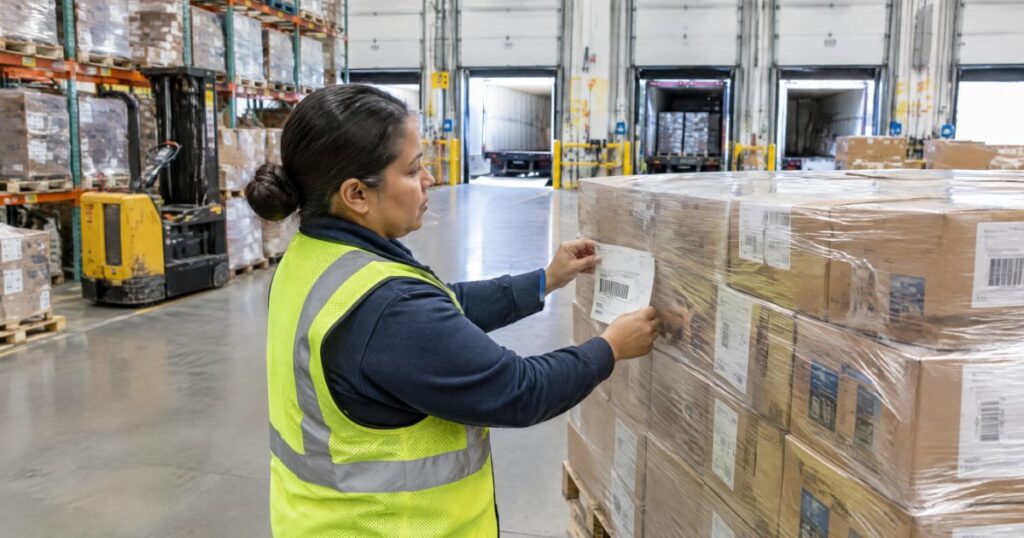
- By Haley
- October 20, 2026
Table of Contents
Key Highlights
- Strong warehouse management helps you ship faster and with fewer labeling mistakes.
- Good inventory management supports accurate picks, packing, and cleaner shipment information.
- Retail compliance labels matter because they guide barcode scanning and retailer receiving.
- Clear best practices reduce manual steps and help warehouse staff follow the right process.
- Better warehouse logistics improves order accuracy, lowers extra charges, and supports growth.
- Regulatory compliance checks help prevent chargebacks, rejected deliveries, and avoidable delays.
Introduction
Retail compliance labeling can make or break a shipment. If your labels are wrong, incomplete, or placed poorly, you risk chargebacks, delays, and rejected freight. That puts pressure on warehouse management and can hurt customer expectations. It can also create extra work for your logistics provider and warehouse staff. The good news is that a clear process helps you stay accurate, move merchandise in good condition, and support regulatory compliance from packing station to retailer delivery.
Understanding Warehouse Shipments and Retail Compliance
A warehouse shipment is the final movement of merchandise after it has been received, stored, picked, and prepared for delivery. In simple terms, your warehouse management process turns an order into a packed parcel or pallet that is ready to leave the building.
For warehouse staff, compliance starts before the truck arrives. Inventory management records, purchase orders, label rules, and packing steps all affect whether a retailer accepts the shipment. To understand where errors happen, it helps to look first at the basics of shipment flow and retailer requirements.

The Basics of Warehouse Shipments in the Retail Industry
In retail, a warehouse shipment begins when the system of record receives a customer order. That order includes product names, quantities, delivery address, and an expected delivery date range. From there, warehouse management triggers the next steps in order fulfillment.
Next comes picking. Depending on your operation, warehouse staff may use case picking, discrete picking, or batch picking. Once items are retrieved, they move to the shipping station. This is where the process of shipping becomes visible, because goods are checked, packed, weighed if needed, and matched to the right carrier service.
The final stage is dispatch. Labels and shipping documents are printed, attached, and reviewed before the parcel or pallet moves to the dock. In warehouse logistics, this is the last touch point before the customer or retailer receives the order, so accuracy matters at every step.
Key Compliance Requirements for U.S. Retailers
Retail compliance means meeting the shipment rules set by the retailer and any broader regulatory compliance needs tied to the goods. If your labels, documents, or packaging do not match the retailer’s standards, the shipment can be delayed, rejected, or charged back.
Most problems start with basic mismatches between inventory management data and what is actually packed. U.S. retailers usually expect shipment details to align with purchase orders and physical package contents. That includes readable labels, correct quantities, and any special handling notes on the exterior.
Common requirements often include:
- Matching labels and carton details to purchase orders
- Accurate SKU and quantity data tied to inventory management records
- Clear exterior markings for special handling or hazardous materials
- Complete shipment documentation when retailer rules require it
Types of Warehouse Shipping Labels and Their Importance
Not all shipping labels do the same job. Some identify the parcel for carrier movement, while others support barcode scanning, SKU tracking, or special handling inside a distribution center. In warehouse management, each label carries shipment information that helps goods move without confusion.
That is why labels are more than stickers on a box. They connect packaging, receiving, and regulatory compliance. When the right label is missing or unreadable, the shipment slows down. The next sections explain the common label types and the special labels retailers and regulated shipments often require.
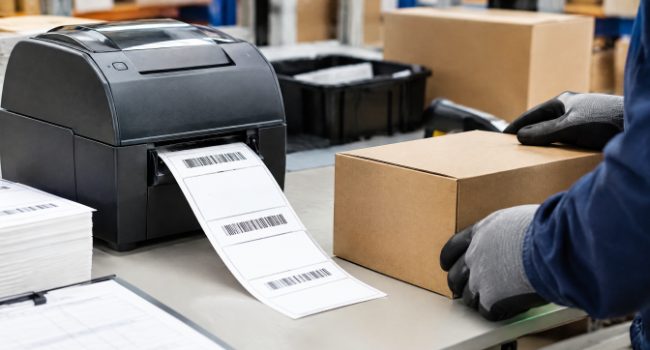
Common Types of Warehouse Shipping Labels Used in Retail
Retail shipping uses several label types, and each one serves a different purpose. Some help carriers move the shipment. Others help warehouse management teams identify items, cartons, or pallets during barcode scanning. If you mix them up, receiving teams may not process the order correctly.
At the item level, labels often identify the SKU. At the outer packaging level, labels tell handlers where the carton or parcel belongs. For larger movements, pallet labels help track grouped merchandise as it moves through staging and shipping.
Label Type | Main Use |
| Item or SKU label | Identifies the product for picking, packing, and inventory control |
| Shipping label | Supports carrier routing, delivery address, and parcel movement |
| Carton label | Identifies outer packaging for retailer receiving and scanning |
| Pallet label | Tracks grouped cartons during warehouse movement and loading |
Used together, these labels make the shipping process faster, cleaner, and easier to verify. For a closer look at item-level accuracy, see our guide to product labeling services.
Special Labeling for Regulatory and Retailer-Specific Needs
Some shipments need more than standard carrier and carton labels. Retailers may require custom label formats, and certain products need markings tied to regulatory compliance. This is especially important when goods need extra handling instructions or documentation support.
For example, packaging may need visible notes for fragility, orientation, or hazardous materials. International movements can also require details tied to customs control or country of origin. If those details are missing, the shipment can stall before it reaches the destination.
Special labeling needs can include:
- Hazardous materials warnings on the package exterior
- Country of origin details for international shipment review
- Retailer-specific label designs required by customer agreements
- Customs-related documentation support for cross-border handling
These labels reduce confusion and help receiving teams process goods correctly the first time.
The Warehouse Shipping Process: Steps to Ensure Compliance
The warehouse shipping process follows a clear path. After order data is received, items are located through picking, moved for packing, checked for shipment needs, labeled, documented, and sent to the dock. In warehouse logistics, each step affects compliance and speed.
If one part breaks down, the whole fulfillment flow suffers. A wrong pick, poor packing choice, or bad label can trigger retailer issues later. That is why it helps to look closely at preparation first, then at inspection and final label application before shipment release.

Preparing Items and Picking the Right Retail Compliance Labels
Preparation starts with clean order data. Your inventory management system should show what is available in real time so warehouse staff do not waste time searching for missing items. When data is accurate, picking becomes faster and less error-prone.
Operations may use discrete methods or batch picking, depending on order volume and layout. Once items are retrieved, teams should confirm the SKU, quantity, and destination before packing starts. This is the best time to match the shipment to the correct retail compliance labels.
Useful preparation steps include:
- Verify SKU, quantities, and order details before packing
- Use batch picking only when logic keeps orders clearly separated
- Confirm label type based on retailer and shipment needs
- Stage items in a way that supports fast, accurate packing
Good prep reduces confusion later at the packing station.
Inspection, Packing, and Final Label Application
Once items reach the shipping station, inspection should come first. Warehouse staff need to verify that the order is complete and that products are suitable for shipment. This is also where visible damage or discrepancies should be caught before a parcel is sealed, and a package reinspection step adds a second check for high-risk orders.
Then comes packing. The package should fit the goods and protect them in transit. Some products may need padding, temperature control, or a specific configuration. Any special handling notes should appear clearly on the exterior so warehouse logistics teams and carriers can act on them.
Final label application happens after carrier service selection. The label must be printed clearly and attached to the outside of the parcel without blocking key details. When inspection, packing, and label placement are done in sequence, incorrect labeling becomes far less likely.
Preventing Retail Chargebacks and Shipment Rejections
Retail chargebacks are costs retailers pass back to suppliers when shipments fail to meet requirements. In warehouse logistics, these fees often come from labeling mistakes, missing documents, or discrepancies between what was ordered and what was received.
Those errors do more than create extra expense. They can also lead to rejected deliveries, customer service issues, and refund pressure if orders must be corrected. To reduce risk, you need to know the common labeling problems first, then apply practical habits that improve shipment acceptance.
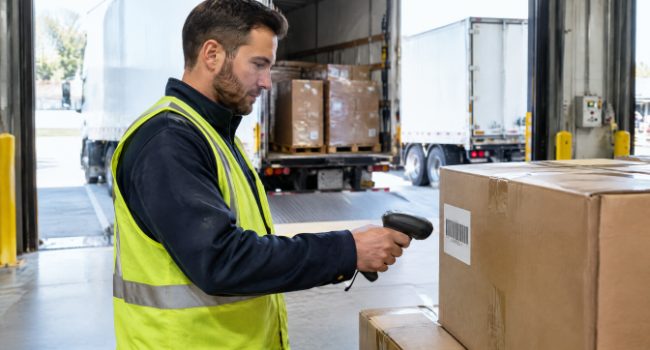
Top Causes of Retail Chargebacks Linked to Labeling Errors
Many chargebacks begin with simple labeling errors inside the shipping process. A wrong label, a missing carton mark, or unreadable print can slow receiving and create manual correction work for the retailer. That often results in fees back to the shipper.
In warehouse management, these mistakes usually trace back to poor process control. Staff may rely on memory, sticky notes, or extra manual steps instead of guided workflows. When that happens, the chance of sending the wrong item or wrong shipment information goes up.
Frequent causes include:
- Labels that do not match the order or carton contents
- Missing special handling details on exterior packaging
- Poor print quality that disrupts barcode scanning
- Shipment information that conflicts with retailer requirements
Small labeling misses can quickly become expensive chargebacks when they reach the receiving dock.
Best Practices to Reduce Chargebacks and Improve Shipment Acceptance Rates
The most effective way to cut chargebacks is to simplify and standardize your workflow. Good warehouse management removes unnecessary decisions from the floor and gives shippers a guided path from picking through final label printing. Fewer choices usually mean fewer mistakes.
Technology also helps. Barcode scanning reduces manual entry, while software can guide staff to the right carrier service, rate, and label format. Real time visibility into order fulfillment and inventory supports better control across the supply chain.
Strong best practices include:
- Use barcode scanning to reduce manual keying and label mix-ups
- Keep shipping tasks in one user-friendly system when possible
- Build clear rules into the workflow instead of relying on memory
- Review shipping metrics to spot recurring errors and bottlenecks
These steps improve accuracy, support faster shipping, and raise acceptance rates.

Conclusion
Retail compliance labeling is essential for smooth warehouse operations and for keeping chargebacks and shipment rejections to a minimum. By understanding the key requirements and putting best practices in place, you can significantly raise shipment acceptance rates and overall efficiency. Proper labeling not only prevents costly errors but also strengthens relationships with retailers and customers alike. Your efficient shipping starts with smart labeling.
Need extra hands for labeling, audits, and compliance checks? Explore CQS product labeling and compliance services or contact our team to get started.
Frequently Asked Questions
What steps can I take to ensure my products meet retail compliance standards?
Start with clear best practices for picking, packing, and label selection. Add inspection before shipment release, and make sure documentation matches the order and package contents. Strong fulfillment controls, accurate inventory records, and visible special handling notes will support retail and regulatory compliance.
Are there specific technologies or tools that can help with compliance labeling?
Yes. A warehouse management system can guide labeling steps and keep shipment data updated in real time. Barcode scanning reduces manual entry, while automation can speed label printing and carrier selection. Even a simple app-based workflow can help staff follow the right process more consistently.

Haley serves as the Marketing Manager for Complete Quality Solutions. She joined CQS in 2023 with her prior experience gained with GXO and XPO Logistics.