Business Development
(224) 213-5119
General Information
(513) 776-1078

- By Haley
- September 17, 2026
Table of Contents
Key Highlights
- Reverse logistics helps your supply chain manage returned goods quickly and accurately.
- Returns processing works better when warehouse operations include clear sorting and quality control steps.
- Skilled lumpers support reverse logistics by speeding up the unloading process at busy docks.
- Lumper fees can be more flexible than carrying full in-house labor costs year-round.
- Faster returns handling protects customer satisfaction and reduces ripple effects across operations.
- The right lumper partner helps your team stay productive, safe, and focused on other priorities.
Introduction
Returns can slow down even well-run operations. In a modern supply chain, products do not stop moving once they reach customers. Many come back through logistics companies, retail networks, and distribution centers that need fast, organized handling. That is where reverse logistics becomes important. It keeps returned freight moving without creating delays at the dock. A key part of that effort is the lumper, whose unloading support can help facilities process returns faster and keep work flowing smoothly.
Understanding Reverse Logistics and Returns Processing Centers
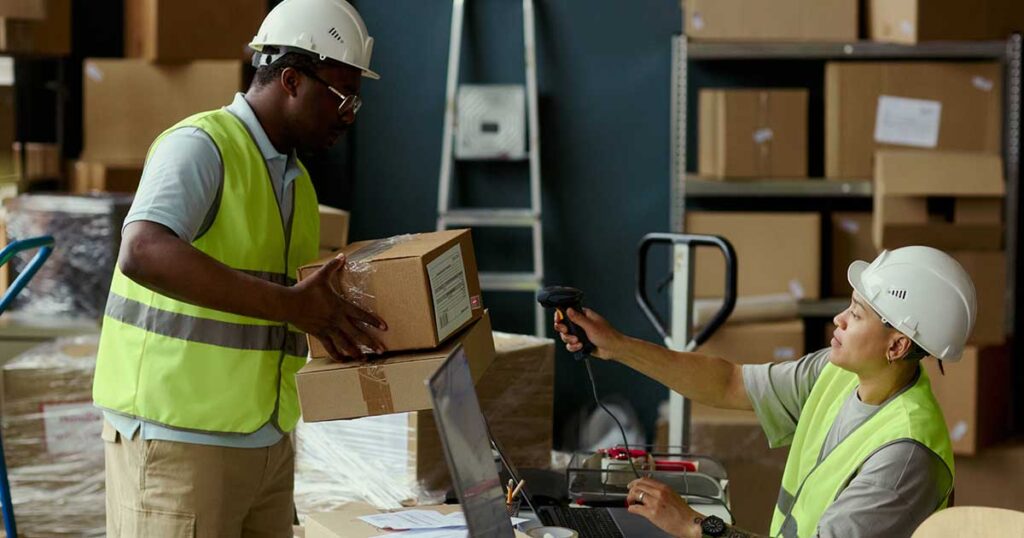
Reverse logistics is the movement and handling of products that come back after delivery. In returns processing centers and distribution centers, teams receive, inspect, sort, and stage those items so they can move to the next destination or storage areas without disrupting the wider supply chain.
A lumper supports that flow by handling a key physical step: unloading freight quickly and safely. That role matters because strong quality control depends on having goods available for inspection without delay. When returns arrive in volume, efficient dock work helps the whole operation stay on pace.
What Happens in a Returns Processing Center?
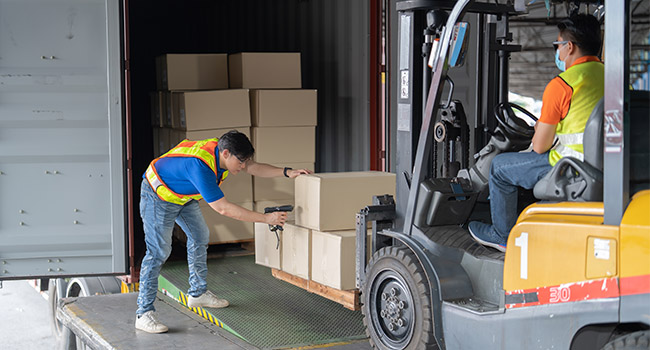
At a receiving facility, returned freight is checked in and matched to shipment details before it moves deeper into the operation. Returns processing centers are built to keep that work organized, especially in a fast-moving supply chain environment where delays can create problems for multiple teams.
Once freight is unloaded, staff can begin quality control and staging. Typical steps include:
- verifying shipment details and trailer contents
- sorting products for storage areas, putaway, or the next location
- preparing items for further review, palletizing, or cross-docking
Yes, lumping services support reverse logistics processes because they help start this workflow faster. When trained crews unload efficiently, returned goods reach inspection points sooner. That shortens the length of time products sit at the dock and helps facilities maintain a quick transition from arrival to internal processing.
Why Reverse Logistics Is Critical for Supply Chain Success
A return is not just a single event. In any supply chain, one delayed trailer can trigger ripple effects across warehouse operations, carrier schedules, and storage planning. That is why returns processing needs the same attention as outbound movement.
There is also a service side to consider. Slow handling can lead to negative feedback, strained customer relations, and lower customer satisfaction. If returned products sit too long, teams lose visibility and the added burden spreads to other departments trying to keep freight moving.
Lumping services can help improve efficiency in warehouse operations because they reduce slow service times at the dock. With trained unloading teams handling the physical work, in-house staff can stay focused on strategic tasks. That balance supports faster throughput and helps facilities maintain a stronger competitive edge.
The Role of Lumper Services in Reverse Logistics
Lumper services provide trained labor for the unloading process at warehouses, distribution centers, and cross-dock sites. In reverse logistics, that support helps returned freight move off trailers and into the building without tying up your own dock workers for long stretches.
Skilled lumpers follow facility protocols, use the right equipment, and stage products for the next step. In a busy supply chain, that makes a real difference. It creates a smoother handoff from truck arrival to inspection, sorting, and storage. To see why this matters, it helps to look at how these services function day to day.
What Are Lumper Services and How Do They Function?
Lumper services are outsourced unloading teams used by warehouses and distribution centers. Their main job is to handle the unloading process safely and efficiently when a truck driver arrives. Because this work is a regular part of the delivery process, many facilities rely on lumper companies to keep docks moving.
The process is usually straightforward. The crew checks in the load, confirms shipment details, unloads freight, sorts and stages product, and logs the work for accuracy. Some providers also review performance data to improve speed and consistency over time.
Step | How lumper services function |
Dock arrival and check-in | Teams meet incoming trucks and follow facility rules |
Unloading | Freight is removed quickly with the proper equipment |
Sorting and staging | Product is organized for putaway, cross-docking, or review |
Documentation | Work is logged for transparency and accuracy |
Performance review | Productivity can be tracked for ongoing improvement |
Key Benefits of Warehouse Lumping Services for Returns Handling
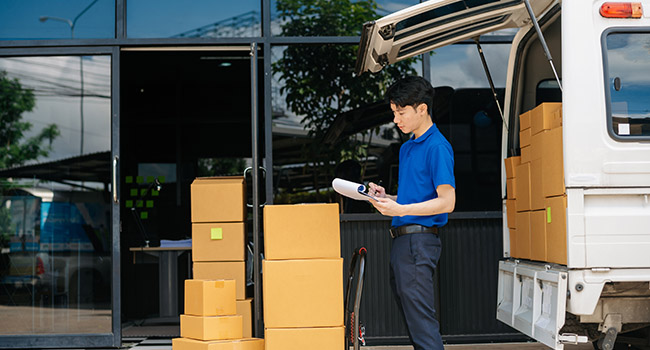
For returns handling, the main value of warehouse lumping services is speed with flexibility. Skilled lumpers can complete the unloading process faster, which helps reduce congestion and keeps warehouse operations from backing up during busy periods.
Cost is another important factor. Lumper fees are often billed per load or per hour, which can give you more control than fixed labor costs. Key benefits include:
- faster turnaround that helps avoid detention and slow service times
- flexible staffing during peak returns volume and slow periods
- trained handling that lowers workplace injury risks from heavy lifting
There is also a productivity gain. When outside crews handle unloading, your internal team can focus on quality checks and other strategic tasks instead of manual loading or unloading of freight. That creates a cleaner workflow and reduces the risk of injury across the dock area.
Conclusion
In conclusion, reverse logistics plays a vital role in streamlining the returns process, and lumper services significantly enhance this efficiency. By understanding the operations of returns processing centers and leveraging the benefits of lumping services, businesses can improve their supply chain, reduce costs, and provide better customer experiences. Embracing these practices not only accelerates returns processing but also transforms potential challenges into opportunities for growth and satisfaction.
Frequently Asked Questions
How do lumping services impact costs at a returns processing center?
Lumping services can make costs more flexible because lumper fees are commonly charged per load or per hour. That may help you avoid fixed labor costs tied to full-time unloading staff. If the unloading process moves faster, warehouse operations may also avoid some additional costs linked to delays.
What should businesses consider when choosing a warehouse lumper for reverse logistics?
Look for a lumper service provider with skilled lumpers, safety training, transparent pricing, and a proven track record. Reputable lumper services should also be able to scale during peak periods and fit smoothly into your supply chain processes without creating extra friction at the dock.
Are there alternatives to using lumper services for returns processing?
Yes. Some facilities rely on their own dock workers for the unloading of freight instead of outside crews. That approach can work, but it shifts manual loading and unloading demands onto internal teams. Businesses should weigh labor strain, lumper requirements, and overall warehouse operations before choosing either option.

Haley serves as the Marketing Manager for Complete Quality Solutions. She joined CQS in 2023 with her prior experience gained with GXO and XPO Logistics.