Business Development
(224) 213-5119
General Information
(513) 776-1078


- By Haley
- October 6, 2026
Table of Contents
Key Highlights
- Supply chain risk mitigation starts with labor planning that can adjust fast.
- Labor solution flexibility helps you scale each warehouse worker role as demand shifts.
- Temporary warehouse labor can protect service levels during spikes and disruptions.
- Warehouse staffing agencies help you reach reliable talent faster when schedules tighten.
- 3PL providers support labor coverage across warehouse locations and distribution needs.
- Flexible staffing improves order flow, helps managers respond to change, and reduces pressure on core teams.
Introduction
In supply chain management, risk does not only come from freight delays or inventory issues. It also comes from labor gaps inside warehouse operations. If you cannot staff the right people at the right time, even a strong process can slow down. That is why labor flexibility is central to supply chain risk mitigation. A flexible labor approach, backed by the right warehouse labor solutions, helps you respond to changing order volume, support daily execution, and keep your operation moving when conditions shift without warning.
Understanding Supply Chain Risk
Supply chain risk includes any event that disrupts the flow of goods, delays the delivery of products, or creates pressure on inventory management. In warehouse management, that risk often shows up through missed shifts, uneven staffing, or sudden demand changes that affect daily output.
This matters for warehouse labor planning because supply chain logistics depends on steady execution. When labor is not aligned with workload, picking, packing, receiving, and shipping all suffer. To manage risk well, you need to understand the main categories that can interrupt operations and the labor issues behind them.

Key Types of Risks in Supply Chains
Several different types of supply chain risk can affect warehouse performance. Some risks involve inbound shipments arriving late. Others show up when outbound orders pile up, warehouse space gets tight, or inventory counts are inaccurate. Each problem can slow the delivery of products and create pressure across the building.
Another common issue is mismatch. You may have enough people on site, but not enough workers with the right warehouse experience for the tasks that matter that day. In supply chain logistics, that can hurt inventory management, reduce order accuracy, and create bottlenecks in storage areas and shipping lanes.
Why is supply chain risk management important for warehouse labor planning? Because labor connects every step. When staffing plans account for disruptions, you protect customer satisfaction, keep work balanced, and improve your ability to recover quickly from operational swings.
How Labor Issues Impact Supply Chain Stability
A warehouse labor shortage does more than leave open shifts. It changes how warehouse work gets done. A warehouse worker may need to cover extra warehouse tasks, move between storage areas, or rush through customer orders. That increases fatigue and makes mistakes more likely.
For a warehouse manager, labor instability creates daily tradeoffs. Do you pull people from receiving to support packing? Do you delay inventory counts to protect shipping deadlines? Without strong time management, those choices can affect quality control and the timely delivery of products.
Warehouse staff problems can spread fast. One missed function can slow order picking, loading, documentation, and inventory control at the same time. That is why supply chain risk management matters for labor planning. Stable staffing helps protect both output and consistency when pressure rises.
The Role of Labor in Modern Supply Chain Operations
People remain central to supply chain management, even in facilities using warehouse management software and barcode scanners. A warehouse worker moves goods, checks paperwork, supports order fulfillment, and keeps processes accurate from receiving through shipping.
At the same time, a warehouse supervisor or warehouse manager depends on labor teams to carry out daily plans safely and on time. In warehouse management, labor is not a side issue. It is the operating force behind inventory flow. The next sections break down what workers actually do each day.
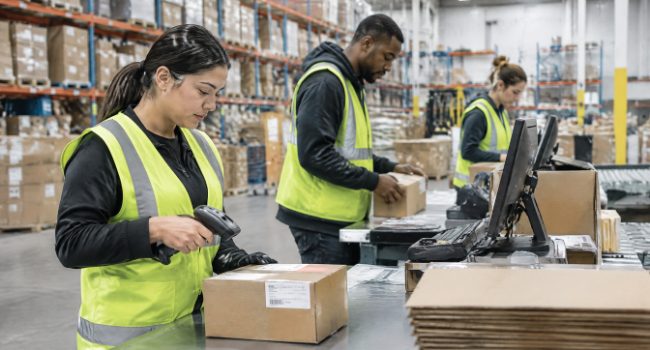
Main Responsibilities of Warehouse Labor Workers
A solid warehouse worker job description usually centers on receiving, storing, moving, and shipping goods. Depending on the facility, one person may focus on a single function, while another rotates across several warehouse tasks. Some roles are entry level, while others require more warehouse experience or equipment skills.
In many operations, the main responsibilities of warehouse labor workers include the following:
- Unloading incoming stock, checking paperwork, and inspecting for damage or missing items.
- Storing goods in the correct location and supporting inventory counts and audits.
- Picking, packing, labeling, and documenting orders for outbound shipment.
- Operating equipment such as pallet jacks or supporting a material handler or order picker function.
Beyond those duties, workers also clean work areas, follow safety protocols, and enter item data into warehouse management systems. These tasks help keep inventory control accurate and support the full fulfillment process from dock to truck.
How Warehouse Labor Supports End-to-End Warehouse Operations
Warehouse labor supports every stage of movement inside the building. Receiving associates unload goods, verify shipments, and place products into storage. Pickers and packers then move items through order fulfillment with the help of scanners, task lists, and location data.
Technology helps, but people make the system work. A warehouse management system can show where goods should go, yet workers still execute the movement, confirm quantities, and handle exceptions. The same is true for an order management system routing customer orders into the facility.
This end-to-end support matters because warehouse inventory is only useful when it is accurate, accessible, and ready to ship. Labor teams connect inbound flow, storage discipline, and outbound processing. That connection is what turns systems and stock into actual customer service.
Labor Solution Flexibility: What Does It Mean?
Labor solution flexibility means adjusting staffing levels, roles, and coverage as work changes. In practice, that can mean adding a warehouse associate during peak periods, shifting warehouse staff between functions, or bringing in workers with specific warehouse experience when needed.
For you, this creates options. Instead of relying on one fixed headcount, you build a labor model that can respond to order volume, schedule changes, and operational pressure. That is why flexible labor strategies are useful for risk mitigation, especially in fast-moving warehouse environments.
Why Flexible Labor Solutions Are Crucial for Risk Mitigation
When order patterns change, a fixed labor model can become a weakness. Too few people creates delays. Too many increases cost. Labor flexibility gives a warehouse manager room to respond without losing control of daily execution.
This is where supply chain risk mitigation becomes practical. If a shipment surge hits, you can increase warehouse worker coverage. If activity slows, you can reduce staffing pressure without overloading the core team. Flexible models also help when specific roles, such as picking or unloading, need quick reinforcement.
What strategies can organizations implement to enhance labor solution flexibility? They can combine trained core staff, temporary support, role-based assignments, and outside staffing resources. Used well, these approaches protect service, improve time management, and reduce the impact of disruption on warehouse flow.
Popular Flexible Labor Strategies in Supply Chain Management
Flexible warehouse staffing works best when you use more than one option. Some facilities keep a stable internal team and add help only during high-volume periods. Others adjust by role, shift, or warehouse locations based on local workload and available talent.
Common strategies include:
- Using temporary warehouse labor to cover seasonal demand and short-term order spikes.
- Reassigning trained workers across receiving, packing, loading, and inventory tasks.
- Partnering with outside labor sources, such as travel labor services, to support multiple warehouse locations.
- Matching staffing levels to daily order volume instead of fixed weekly assumptions.
These strategies help organizations enhance labor solution flexibility because they create faster response times. You are not forced into one staffing model. Instead, you build a supply chain management approach that can absorb change while keeping customer orders and fulfillment goals on track.
Temporary Warehouse Labor as a Hedge Against Disruptions
Temporary warehouse labor gives you a practical buffer when demand moves faster than your permanent headcount. If order volume rises suddenly, temp support can help keep picking, packing, unloading, and shipping from falling behind.
That makes temporary labor a useful hedge in supply chain logistics. You can protect throughput without locking yourself into a long-term staffing increase. For many operations, this is one of the simplest ways to keep warehouse worker coverage aligned with real workload during uncertain periods.

Benefits of Using Temporary Warehouse Labor
Temporary warehouse labor helps when workload changes faster than your schedule can absorb. A warehouse manager can use temp support to protect the fulfillment process during spikes, last-minute shifts, or heavy receiving days. That keeps core teams from being stretched too thin.
Key benefits include:
- Faster response to changing order volume without a permanent staffing commitment.
- Extra warehouse worker coverage for picking, packing, loading, and basic warehouse tasks.
- Better support for a safe working environment by reducing overload on regular staff.
- Improved continuity when absenteeism or demand swings threaten output.
What are the benefits of using temp staffing services for warehouses? They provide speed, flexibility, and operational breathing room. When used carefully, temporary labor solutions help maintain service levels, support time-sensitive work, and give managers more control over labor during disruption.
Key Differences Between Temp Labor and Permanent Staffing
Temp labor and permanent staffing both support warehouse operations, but they serve different purposes. A permanent warehouse worker is often part of your long-term team structure. Temp labor is usually added when order volume rises, shifts change, or a short-term gap appears in the schedule.
The warehouse worker job description may look similar across both groups. Each may help with picking, packing, unloading, inventory checks, or material handler duties. The difference is usually in duration, scheduling, and how the role fits your workforce plan.
Category | Temp Labor | Permanent Staffing |
| Primary use | Covers short-term demand or labor gaps | Supports ongoing daily operations |
| Scheduling | Added or reduced based on order volume | More stable and predictable |
| Typical role fit | Fast support for warehouse staff needs | Core team knowledge and continuity |
| Flexibility | High | Moderate |
Both models matter. The real value comes from knowing when to use each one. For a cost view of keeping work in-house or bringing in outside help, see our breakdown of in-house vs. outsourced warehouse labor.
Leveraging Warehouse Staffing Agencies for Flexible Solutions
Warehouse staffing agencies can help when you need labor fast but still want a reliable hiring process. For a warehouse manager, that means less time spent searching for candidates and more time focused on operations.
A good partner can support roles such as warehouse worker, warehouse associate, loader, or order support based on your immediate need. This makes staffing agencies a useful option when you want flexible labor solutions without handling every step of sourcing on your own.
How Staffing Agencies Help You Find Reliable Warehouse Labor
When labor demand rises quickly, warehouse staffing agencies can shorten the time between need and placement. That matters because open shifts in receiving, packing, or loading can affect the entire fulfillment process. A warehouse manager often needs workers ready to contribute with minimal delay.
Staffing agencies help by offering:
- Access to candidates with relevant warehouse experience for common frontline roles.
- Faster hiring support for warehouse worker openings during peaks or absences.
- Screening support based on job needs, schedule fit, and basic qualifications.
- Industry expertise that helps match workers to the pace and demands of warehouse operations.
How can a warehouse staffing agency help with finding reliable labor? It helps by improving speed and fit. Instead of starting from zero every time, you work with a professional staffing agency that understands warehouse staffing patterns and can support urgent labor needs more efficiently.
Best Practices for Selecting a Warehouse Staffing Agency
Not every service provider is the right fit for your building. If you want strong results, choose warehouse staffing agencies that understand your workflow, shift patterns, and expectations for warehouse staff. A partner should support your pace, not create extra supervision work.
As you compare options, look for:
- Clear communication about candidate availability, job fit, and scheduling.
- Familiarity with warehouse environments, safety rules, and daily task demands.
- Alignment with your quality standards for attendance, productivity, and accuracy.
- Ability to support different roles or changing labor volumes as needs shift.
The best agency relationship is practical. You want a provider that can adapt with you, understand your operation, and supply people who fit the job. That is how staffing support becomes part of a flexible risk strategy instead of a temporary fix.
The Role of 3PL and Third-Party Logistics in Supply Chain Labor
Third-party logistics plays a major role in modern warehousing because many businesses rely on outside partners to handle storage, fulfillment, and distribution center activity. These logistics providers often manage labor across different warehouse locations and client needs.
If you are asking what a 3PL is and how it relates to warehouse labor needs, the answer is simple. A 3PL operates warehouse and logistics functions for other companies, so labor planning becomes a core part of its service model. That affects both staffing scale and flexibility.
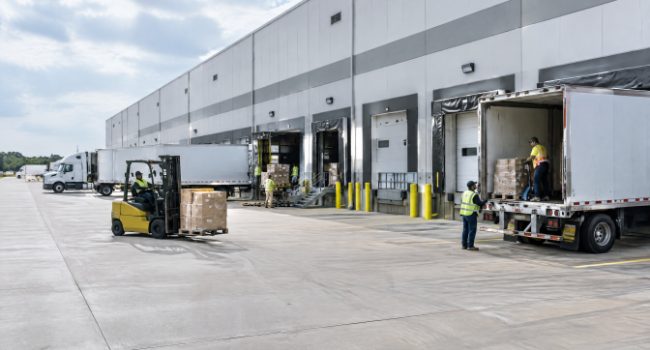
What Is a 3PL and How It Works in Warehouse Labor Needs
A 3PL is a provider of third-party logistics services such as storage, fulfillment, and shipping support for other businesses. In simple terms, it runs part of the warehouse management and movement process on behalf of clients.
Because a 3PL handles the delivery of products for multiple customers, labor needs can shift often. One day may bring heavy inbound activity. Another may require stronger outbound support. That means the 3PL must align warehouse worker coverage with changing customer orders and operational requirements.
So what is a 3PL and how does it relate to warehouse labor needs? It relates directly. Labor is what allows a 3PL to receive goods, manage inventory, pick orders, and ship accurately. Without flexible staffing, the 3PL business model becomes harder to execute consistently.
How Third-Party Logistics Providers Support Warehouse Operations
Third-party logistics providers support warehouse operations by combining labor, systems, and process control. They often manage receiving, storage, picking, packing, and shipping for multiple clients, which makes labor coordination a daily priority.
In practice, logistics providers support labor operations by:
- Aligning staffing with client order patterns and warehouse inventory movement.
- Using warehouse management processes to organize tasks across shifts and functions.
- Supporting multiple roles, from pickers and loaders to inventory-focused staff.
- Adjusting labor coverage across facilities or service lines as demand changes.
How do third-party logistics providers support warehouse labor operations? They create structure around fluctuating work. By managing labor within a broader warehouse management framework, they help maintain output, visibility, and service across changing volumes and customer requirements. To see how this model compares with other options, read our guide to 3PL vs. 4PL vs. managed labor.
Skills That Matter Most for Effective Warehouse Labor
Strong warehouse labor depends on more than physical effort. A warehouse worker also needs attention to detail, reliability, and time management skills to keep tasks moving without creating avoidable errors.
The right skill mix supports both speed and accuracy. Whether someone works as a picker, packer, forklift operator, or receiving associate, they must follow process, support quality control, and work safely in a fast environment. Next, let’s look at the core abilities that make labor teams effective.
Core Skills Required for Supply Chain Labor Success
Successful supply chain labor starts with a few core capabilities. A warehouse worker needs to handle daily warehouse tasks accurately, stay organized, and adapt when priorities shift. The work can change by the hour, so consistency matters.
Important skills include:
- Time management to complete picks, packing, and receiving work on schedule.
- Attention to detail for counts, labels, paperwork, and inventory accuracy.
- Comfort with physical demands such as lifting, standing, and moving materials.
- Basic system awareness for roles that interact with scanners, logs, or an inventory clerk process.
What skills are most important for warehouse laborers to have? Based on common warehouse roles, the essentials are reliability, focus, safe work habits, teamwork, and the ability to keep pace without losing accuracy. Those traits support better output across the full operation.
Skills to Prioritize When Hiring Temporary Warehouse Labor
When hiring temp workers, focus on practical fit first. The best candidate for a warehouse worker job is someone who can follow instructions, work safely, and adapt to the pace of the floor. Some roles may prefer a high school diploma, but day-to-day readiness is often more important.
You should prioritize:
- Ability to follow safety rules and support a safe working environment.
- Comfort with physical work and awareness around heavy machinery.
- Basic familiarity with scanners, logs, or a warehouse management system when required.
- Reliability, attention to detail, and willingness to learn quickly.
What should I look for when hiring temp workers for warehouse jobs? Look for people who can step into structured tasks with minimal confusion. If the role involves equipment, specialized tools, or strict documentation, make sure the candidate’s background matches that expectation.
Challenges and Solutions in Warehouse Staffing
Warehouse staffing rarely stays simple for long. A warehouse manager may face changing order patterns, open shifts, uneven productivity, or difficulty finding workers who match the role. These staffing challenges can affect service, safety, and morale at the same time.
For a warehouse worker, the impact is direct. Short teams often mean heavier workloads and tighter timelines. The good news is that many of these problems can be reduced with better planning and more flexible labor options. Let’s look at the most common issues first.
Common Warehouse Staffing Challenges for U.S. Businesses
Across the United States, warehouse teams often face the same pressure points. Demand can shift quickly, especially when peak season demand hits or customer orders surge without much warning. That makes scheduling harder and increases the risk of missed output targets.
Common challenges include:
- Finding enough warehouse worker coverage during peak periods.
- Matching warehouse staff skills to the right tasks and equipment needs.
- Managing labor efficiently when warehouse space or workflow creates bottlenecks.
- Maintaining consistency when absenteeism or turnover affects daily schedules.
What are common challenges faced in warehouse staffing? The biggest issues usually involve volume swings, skill gaps, and timing. Staffing needs can also differ between large cities and smaller towns because labor pools, commute patterns, and candidate availability may vary by location.
Solutions for Maintaining Labor Flexibility in Warehouses
Maintaining labor solution flexibility takes planning, not guesswork. A warehouse manager needs staffing options that can expand or tighten with operational demand. The goal is simple: protect output and timely delivery without overbuilding labor costs.
Useful solutions include:
- Working with warehouse staffing agencies to fill gaps quickly.
- Building role clarity so workers can shift between related tasks more smoothly.
- Aligning staffing decisions with order volume, inbound schedules, and peak periods.
- Keeping a mix of core employees and flexible labor support for changing demand.
What strategies can organizations implement to enhance labor solution flexibility? They can create layered staffing models, use outside labor sources when needed, and match labor plans more closely to actual workflow. That approach gives warehouses a stronger response to disruption and daily variability.
Conclusion
Effective supply chain risk mitigation requires a clear understanding of labor solution flexibility. By embracing adaptable staffing strategies and using temporary warehouse labor, businesses can hedge against disruptions that threaten their operations. The importance of skilled labor cannot be overstated, as it supports efficient warehouse processes and keeps supply chain management stable. By following best practices when selecting reliable staffing agencies and prioritizing the right skills, organizations can build a resilient workforce ready to meet changing market demands.
If you want to strengthen your supply chain resilience, explore flexible labor solutions tailored to your unique needs, or contact the CQS team to discuss your staffing plan.
Frequently Asked Questions
What are the benefits of temp staffing services for warehouses?
Temporary warehouse labor helps you respond to volume changes without adding permanent headcount. It gives each warehouse worker team extra support for picking, packing, and receiving while protecting warehouse management goals. That flexibility supports warehouse inventory accuracy and helps supply chain logistics stay on schedule during spikes or labor gaps.
What strategies can organizations implement to enhance labor solution flexibility?
Organizations can improve labor solution flexibility by combining core staff with temporary support, shifting workers across related tasks, and using warehouse staffing agencies during peak periods. A warehouse manager should align staffing with demand, role needs, and warehouse management priorities so each warehouse worker is used where they add the most value.

Haley serves as the Marketing Manager for Complete Quality Solutions. She joined CQS in 2023 with her prior experience gained with GXO and XPO Logistics.