Business Development
(224) 213-5119
General Information
(513) 776-1078

Key Highlights
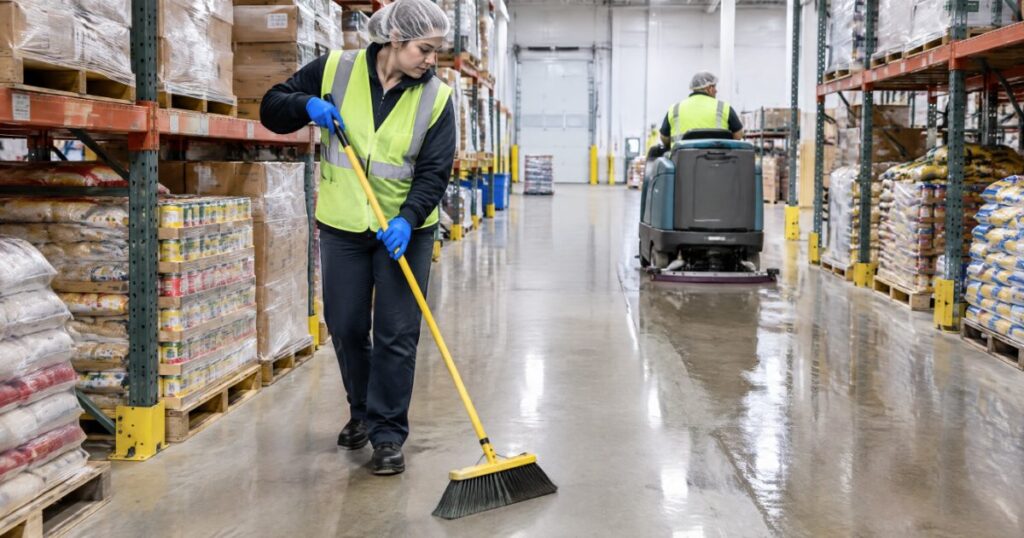
- Dry cleaning and wet cleaning support food safety in different ways across warehouse management and daily logistics operations.
- Dry cleaning fits low-moisture areas where sanitation is needed without adding water to sensitive zones.
- Wet cleaning works better when soils are sticky, heavy, or harder to remove through dry methods alone.
- Your supply chain depends on matching the cleaning method to products, surfaces, and risk levels.
- Strong sanitation practices protect warehouse performance, customer trust, and order accuracy.
- Smart cleaning choices help food warehouses improve compliance, safety, and operational control.
Introduction
In food warehouses, cleaning is not just a housekeeping task. It is a core part of supply chain performance, warehouse management, and daily sanitation control. If you handle grocery or food inventory, the dry vs wet cleaning decision matters: you need to know when dry cleaning makes sense and when wet cleaning is the better choice. The right method affects safety, workflow, and product protection. It also shapes how well your facility supports reliable storage, fulfillment, and customer expectations across the broader supply chain.
Understanding Food Warehouse Sanitation Standards
Food warehouse sanitation standards exist to protect products, people, and processes. In warehouse storage environments, poor cleaning can disrupt logistics operations and weaken warehouse management controls. That can lead to damaged goods, slower movement, and service issues.
Just as important, clean facilities support stronger supply chain services and help maintain customer satisfaction. When you keep storage areas, equipment, and workflows under control, you create a safer setting for food handling. The next sections explain why sanitation matters, what U.S. expectations look like, and how weak cleaning practices affect performance.
Why Sanitation Matters in Grocery Warehouses
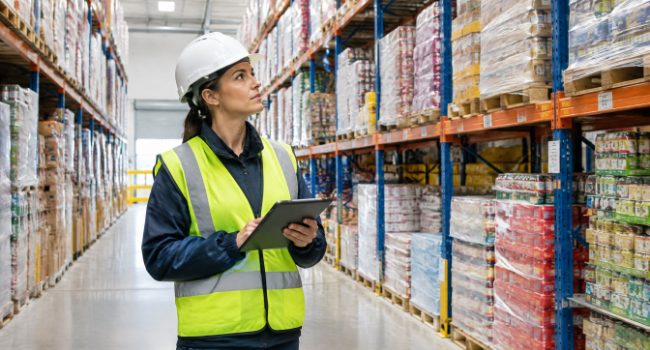
Sanitation matters because grocery warehouses handle products that customers expect to receive in safe, saleable condition. In warehouse management, cleaning supports accurate inventory management and protects the flow of goods through storage, picking, and shipping. If the environment is not controlled, daily work becomes harder to manage.
For 3PL operations, sanitation is important because these providers handle warehousing and order fulfillment for many clients at once. A clean facility helps protect shared areas, supports smoother supply chain logistics, and reduces the chance that one issue spreads across customer accounts.
The result shows up in customer satisfaction. Clean storage and work zones help teams process orders more reliably and protect product quality. When sanitation slips, warehouses risk delays, damaged inventory, and service failures that can weaken trust across the entire fulfillment network.
Regulatory Requirements for Food Warehouses in the US
In the U.S., food warehouses must operate with clear sanitation controls that support safe storage and handling. For any logistics provider, that means keeping warehouse space clean, organized, and suitable for food-grade activity. Good warehouse management is not optional when food products are involved.
3PL companies help ensure food-grade standards by using structured procedures, trained warehouse teams, and facility controls. This fits their core competencies as outsourced partners that manage warehousing, inventory, and order processing for multiple businesses. Their role is to maintain dependable supply chain services without exposing products to avoidable risk.
Strong compliance also supports growth. Businesses often use outside providers so internal teams can focus on product development, sales, or customer support instead of running complex warehouse operations. That only works when the provider can maintain clean, compliant conditions across the full storage environment.
The Impact of Poor Warehouse Sanitation on Third Party Logistics
A 3PL plays a major role in the food and beverage supply chain by storing inventory, supporting distribution, and keeping products moving through logistics services. That role depends on clean facilities. When sanitation is weak, supply chain management becomes harder and more expensive.
Poor cleaning can slow workflows, increase handling issues, and reduce operational efficiency. Teams may spend more time correcting problems, isolating stock, or adjusting processes. In a shared warehouse, one sanitation failure can create wider disruption across clients, products, and service commitments. For the other side of the picture, see how effective grocery sanitation improves operational efficiency.
Customer service suffers too. Food shippers rely on 3PL partners to protect products and fulfill orders consistently. If sanitation problems lead to delays, damaged goods, or questionable storage conditions, trust drops quickly. Clean warehouses are not just safer; they are essential to reliable third party logistics performance.
Key Concepts: Dry Cleaning and Wet Cleaning Explained
Dry cleaning and wet cleaning are two common sanitation approaches used in food warehousing. Each method supports warehouse management in a different way, depending on the product, surface, and level of residue in the area. Choosing the wrong one can create avoidable risk.
For supply chain logistics and fulfillment center performance, the goal is simple: remove contamination without disrupting product flow more than necessary. These methods are part of broader logistics solutions that help protect storage areas, workflows, and service quality. Let’s look at each approach more closely before comparing them side by side.
What Is Dry Cleaning in Warehouse Operations?
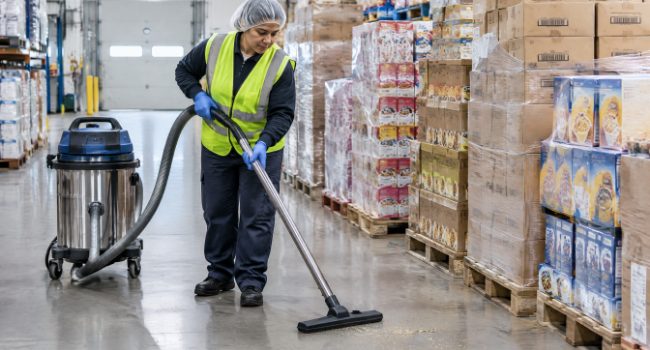
Dry cleaning in warehouse operations means removing dust, crumbs, loose residue, and dry debris without using water. In food warehouse storage, this method helps protect areas where moisture could create new problems. It is a practical part of warehouse management when products or surroundings need to stay dry.
This fits well within the broader range of logistics services offered by many 3PL companies. Those services can include warehouse storage, inventory tracking, shipping, returns handling, and order fulfillment services. Cleaning supports all of them by keeping work areas usable and product zones controlled.
You might use dry cleaning in aisles, racking zones, or around packaged dry goods where light residue is present. It often helps preserve workflow because it can be completed with less disruption than full washdowns. For many food warehouses, it is a useful first-line sanitation method.
What Is Wet Cleaning in Food Warehouses?
Wet cleaning uses water and cleaning agents to remove soils that dry methods cannot handle well. In food warehouses, it is used when surfaces have sticky buildup, spills, or residue that needs a more thorough wash. This approach can play an important role in warehouse management.
3PL companies help ensure food-grade standards by applying the right cleaning method to the right risk. In warehouse space used for food handling, wet cleaning may be necessary to support a stronger supply chain service and keep logistics operations aligned with sanitation expectations.
You will usually see wet cleaning in targeted situations rather than everywhere at once. That matters because water changes the cleaning environment, the pace of work, and the safety plan. When used carefully, wet cleaning helps restore sanitary conditions in areas where dry methods are not enough.
Dry Cleaning vs Wet Cleaning: The Core Differences
The biggest difference is moisture. Dry cleaning removes loose material without water, while wet cleaning uses water and chemicals to break down tougher residue. In a food warehouse, that choice affects safety, timing, and operational efficiency. Your supply chain performs better when the method fits the risk.
3PL models differ from simpler logistics setups because they often combine storage, inventory, fulfillment, and service management for multiple clients. That makes cleaning choices more strategic. Warehouse management software and inventory management software can help teams schedule sanitation around stock movement and fulfillment solutions.
Factor | Dry Cleaning | Wet Cleaning |
| Moisture use | No water used | Uses water and cleaning agents |
| Best for | Loose dust, crumbs, dry residue | Sticky spills, heavier soil, residue buildup |
| Workflow impact | Often lower disruption | May require longer downtime |
| Main concern | Airborne particles | Slip risk and drying time |
| Fit with operations | Good for dry product zones | Better for targeted deep sanitation |
When to Use Dry Cleaning in Food Warehouses
Dry cleaning works best when you need to remove dry debris without adding moisture to the environment. In warehouse storage areas that handle dry goods, this method can support warehouse management while limiting disruption to logistics services and daily workflows.
It is especially useful when order fulfillment must continue with minimal downtime. Since it avoids water, dry cleaning often fits spaces where moisture could harm products, create hazards, or slow operations. The next sections cover the situations, surfaces, and business benefits that make dry cleaning a strong option.
Situations That Favor Dry Cleaning Methods
Dry cleaning is a smart choice when the cleaning target is loose and dry rather than sticky or soaked in. In warehouse storage, it can support continuity by limiting downtime and helping a logistics provider protect products without changing the environment too much.
If you are choosing a 3PL provider, look for one that matches cleaning methods to facility needs, stock levels, and supply chain management demands. A strong partner should show clear procedures, scalable operations, and the ability to protect food inventory while keeping service moving.
Situations that often favor dry cleaning include:
- Areas storing dry packaged foods where moisture could damage products
- Fast-moving zones that need cleaning with less interruption to logistics services
- Spaces where stock levels are high and aisle access must be restored quickly
- Light debris conditions that do not require full washdown or chemical rinsing
Compatible Food Products and Surfaces for Dry Cleaning
Dry cleaning generally fits dry food products and surfaces that can be maintained without water. It works well when the goal is to remove dust, crumbs, or loose particles while protecting storage space and keeping the area ready for fulfillment services.
Many leading third-party logistics providers in the U.S. offer warehousing, fulfillment, transportation, and returns support, but the best logistics solution is the one that aligns with your product needs. Businesses often rely on these partners so internal teams can stay focused on product development and other priorities while supply chain services continue smoothly.
Dry cleaning is often compatible with:
- Packaged dry goods stored in controlled warehouse zones
- Shelving, floors, and non-porous surfaces with loose debris
- Areas near cartons, pallets, and packaging materials that should stay dry
- Storage space where moisture could interrupt handling or product quality
Benefits of Dry Cleaning for 3PLs and Third Party Logistics Providers
For a logistics provider, dry cleaning can support speed, flexibility, and product protection. It often fits busy facilities where order fulfillment must continue without long shutdowns. In shared environments, that matters because even small interruptions can affect several clients at once.
The main benefits of using a 3PL provider for ecommerce businesses include lower infrastructure needs, scalable operations, stronger delivery support, and access to expert systems. Dry cleaning adds to those strengths by helping supply chain logistics run with fewer sanitation-related delays.
Key benefits of dry cleaning include:
- Less interruption to logistics operations in active warehouse zones
- Faster return to service, which supports customer support commitments
- Reduced moisture exposure for dry inventory and packaging
- Easier scheduling around picking, packing, and outbound order fulfillment
When to Use Wet Cleaning in Food Warehouses
Wet cleaning is the better option when dirt, spills, or residue cannot be removed through dry methods alone. In food facilities, warehouse management teams use it to restore sanitary conditions in areas that need more than surface debris removal. It can be essential for deeper cleaning.
That said, it should be used with planning. Water affects inventory management, movement paths, and workflow timing across supply chain operations. Logistics companies must balance sanitation needs with safety and service levels. The following sections explain when wet cleaning is required and what advantages it can bring.
Scenarios That Require Wet Cleaning Techniques
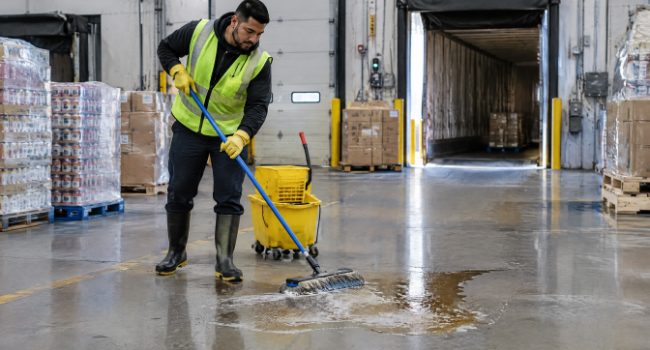
Wet cleaning is required when dry debris removal will not solve the problem. If a spill leaves residue behind or buildup remains on a surface, water-based cleaning becomes the more effective option. In food warehousing, this protects warehouse space and keeps sanitation aligned with product handling needs.
Warehouse sanitation is important in 3PL operations because these facilities support multiple clients, shared storage space, and a continuous fulfillment process. If contamination stays in place, it can spread across logistics services and affect more than one account or product line.
Common wet cleaning scenarios include:
- Sticky spills in receiving, staging, or packing areas
- Residue left after damaged goods or product returns
- Surfaces that need more than sweeping or vacuuming
- Areas where visible soil could affect storage space or product flow
Wet Cleaning Compliance in Regulatory Environments
Wet cleaning supports compliance when facilities must remove residue that dry methods cannot clear. In food warehousing, meeting regulatory standards depends on using a cleaning approach that matches the contamination present. Good warehouse management means choosing the method that restores sanitary conditions effectively.
3PL companies ensure food-grade standards by combining trained staff, standard procedures, and facility controls with the right sanitation method. In regulated environments, logistics operations cannot rely on convenience alone. They must show that cleaning decisions support safe handling, storage, and fulfillment services.
This is where discipline matters. Wet cleaning may require controlled downtime, restricted access, and careful drying before activity resumes. Yet those steps support stronger supply chain management because they reduce the chance that residue, moisture, or poor practices interfere with food-grade expectations in the warehouse.
Advantages of Wet Cleaning for Overall Warehouse Sanitation
Wet cleaning offers a deeper sanitation option when dry methods are not enough. It helps remove tougher residue and restore surfaces that need more thorough treatment. For warehouse management teams, that can strengthen cleanliness in critical zones and protect product handling areas.
3PLs improve warehouse operations and efficiency by applying the right methods, using structured processes, and coordinating tasks with workflow tools. Warehouse management software can help schedule cleaning around activity peaks so supply chain logistics stay organized and customer experience is protected.
Advantages of wet cleaning include:
- Better removal of sticky or embedded contamination
- Stronger restoration of affected surfaces and work zones
- Improved sanitation in targeted areas that need deeper treatment
- Support for operational efficiency when used with clear timing and controls
Challenges of Dry and Wet Cleaning in Grocery Warehouses
Both cleaning methods come with tradeoffs. In grocery facilities, warehouse management teams must protect sanitation without slowing order fulfillment or creating extra risk. That can be difficult when inventory management is complex and warehouse activity remains high throughout the day.
Businesses often rely on outside providers so teams can focus on core competencies instead of running every warehouse task themselves. Even then, cleaning choices still affect overhead costs, labor use, and daily performance. The next sections break down the common obstacles tied to dry cleaning, wet cleaning, and cost planning.
Common Obstacles in Dry Cleaning Processes
Dry cleaning is useful, but it has limits. It may not fully remove sticky residue or soils that have bonded to surfaces. In a busy fulfillment center, that can leave sanitation gaps if teams use dry methods in situations that really need deeper treatment.
Warehouse sanitation is important in 3PL operations because a shared environment depends on consistent controls. Weak cleaning can affect warehouse storage, disrupt logistics services, and reduce trust in warehouse management practices. Dry cleaning works best only when the contamination type fits the method.
Common dry cleaning obstacles include:
- Airborne dust or particles during debris removal
- Incomplete cleaning when residue is not fully dry
- Limited effectiveness on spills or adhered buildup
- Rework that slows supply chain management if the first pass is not enough
Challenges Faced with Wet Cleaning Techniques
Wet cleaning can solve tougher sanitation problems, but it also creates operational challenges. Water changes traffic flow, requires drying time, and may interrupt activity in a fulfillment center. If not planned carefully, it can slow order fulfillment services and complicate warehouse management.
The most cost-effective way to maintain warehouse sanitation is usually to match the method to the actual risk instead of overcleaning or using one approach everywhere. Inventory management systems and scheduling tools can help teams time wet cleaning so supply chain logistics take less disruption.
Common wet cleaning challenges include:
- Longer downtime before areas can return to use
- Added slip hazards during and after washing
- More coordination with inventory movement and labor schedules
- Greater impact on picking paths and order fulfillment services
Cost Implications and Labor Considerations
Cleaning decisions have direct cost effects. Labor, downtime, equipment use, and workflow disruption all influence the final number. For a logistics provider, the most cost-effective approach is rarely the cheapest method on paper. It is the one that protects sanitation while supporting operational efficiency.
Good cost control starts with matching the job to the right process. If a facility uses wet cleaning where dry cleaning would work, overhead costs may rise without adding value. If teams rely on dry cleaning when deeper treatment is needed, rework can also increase cost.
Key labor and cost factors include:
- Time needed to clean, dry, and reopen the area
- Staff training and supervision requirements
- Workflow interruptions that affect supply chain logistics
- Recleaning costs when the first method does not solve the issue
Comparing Effectiveness: Dry Cleaning vs Wet Cleaning
Effectiveness depends on what you are trying to remove and how your facility operates. In warehouse management, dry cleaning and wet cleaning each have strengths, but neither is the answer for every problem. The right fit helps protect product flow and sanitation at the same time.
For fulfillment solutions, that balance matters. Cleaning should support supply chain operations, not create unnecessary friction. It should also protect customer support goals by reducing service issues tied to contamination or workflow delays. The next sections compare results across contaminants, allergen control, and different operating models.
Ability to Remove Different Types of Contaminants
Dry cleaning removes loose debris well, while wet cleaning handles residue that clings to surfaces. In warehouse storage, knowing the difference helps teams choose the most effective response. The goal is not just visible cleanliness. It is protecting products, workflows, and inventory management accuracy.
3PL companies ensure food-grade standards by using methods that match the contamination present. In a shared fulfillment center, that protects logistics services and helps prevent product issues that could hurt customer satisfaction. A weak method choice can leave behind risk even if the area looks better.
As a simple guide:
- Dry cleaning works best on dust, crumbs, and loose dry material
- Wet cleaning works better on spills, sticky residue, and adhered soil
- Mixed conditions may require staged cleaning rather than one quick pass
- High-risk zones should be evaluated based on product and surface conditions
Impact on Allergen Control and Cross-Contamination Prevention
Dry cleaning methods may help in low-moisture areas, but they are not always enough for allergen control in grocery warehouses. If allergen residue remains on surfaces or in surrounding dust, the risk of cross-contact can continue. That is why method choice should follow the actual contamination level.
In logistics operations, allergen control affects warehouse storage decisions, cleaning schedules, and product separation. Good supply chain management uses clear procedures and often relies on inventory management software to support location control, stock visibility, and safer movement across the facility.
Important points to consider:
- Dry cleaning may be suitable for loose allergen dust in dry zones
- Wet cleaning may be needed when residue adheres to surfaces
- Product separation helps reduce cross-contamination risk
- Operational efficiency improves when controls are planned instead of reactive
Effectiveness in Diverse Third Party Logistics Operations
A 3PL is an outsourced logistics provider that manages services such as warehousing, inventory handling, fulfillment, shipping, and returns for other businesses. Third-party logistics works by combining facilities, systems, labor, and transportation support so companies can improve operations without building every capability in-house.
In diverse 3PL environments, cleaning effectiveness depends on product mix, client needs, and business scales. The best supply chain solutions are flexible enough to support different risk levels while keeping service stable. Key performance indicators help managers measure whether sanitation practices are supporting results.
Effective 3PL sanitation programs usually focus on:
- Matching methods to product and contamination type
- Scheduling around activity to protect service levels
- Tracking exceptions and repeat issues with key performance indicators
- Adapting cleaning plans as warehouse needs change across business scales
Health and Safety Considerations for Warehouse Cleaning
Cleaning decisions affect more than product quality. They also shape worker safety, movement paths, and how easily teams can keep order fulfillment on track. In active facilities, warehouse management must balance sanitation with clear safety controls across shared warehouse space.
That balance is especially important during busy logistics operations. Dry methods can create airborne particles, while wet methods can increase slip risk. Strong safety planning helps warehouses clean effectively without exposing staff to avoidable hazards. The next sections look at worker protection, fall prevention, and particulate control.
Worker Safety During Dry Cleaning Procedures
Dry cleaning can seem simple, but it still needs control. Moving loose debris can send dust into the air or across nearby surfaces. Good warehouse management protects employee safety by keeping procedures clear and making sure dry cleaning fits the space and contamination involved.
3PLs improve warehouse operations and efficiency when they standardize processes, train teams, and reduce avoidable disruptions. That includes safer cleaning practices. In supply chain management, cleaner and safer work zones support stronger logistics services and more stable use of warehouse space.
Basic worker safety steps include:
- Limiting nearby traffic during debris removal
- Using methods that reduce airborne spread where possible
- Training staff on zone control and cleanup order
- Reopening areas only after loose material has been fully removed
Managing Slip and Fall Risks from Wet Cleaning
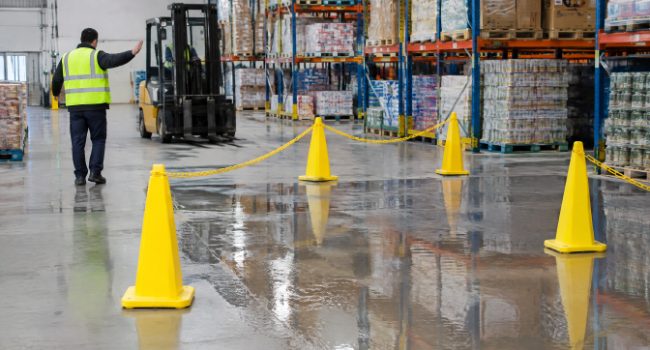
Wet cleaning introduces a clear safety concern: slippery floors. In a busy facility, that can affect staff movement, material handling, and route planning. Good warehouse management keeps safety visible during washing and drying so order fulfillment is not put at risk.
3PLs improve warehouse operations and efficiency by coordinating cleaning with workflow, labor, and traffic controls. That matters because wet surfaces can interrupt customer service if teams cannot access picking areas safely. The right logistics solutions help reduce that disruption.
Practical ways to manage slip risks include:
- Blocking or rerouting traffic in wet zones
- Cleaning during lower-activity periods when possible
- Reopening areas only after floors are dry enough for safe movement
- Communicating clearly with teams working near the cleaning area
Addressing Airborne Particulate Control in Warehouse Operations
Airborne particles are a real concern during dry cleaning, especially in facilities with active movement and frequent handling. Once dust spreads, it can settle on surfaces, pallets, or nearby goods. Strong warehouse management should limit that spread instead of just moving debris around.
When choosing the best 3PL provider for your business needs, look at more than shipping speed or price. Ask how the provider manages logistics operations, sanitation controls, and storage space. Businesses often outsource logistics so internal teams can focus on product development, but that only works if the warehouse stays controlled.
Helpful particulate control practices include:
- Cleaning in a sequence that contains rather than spreads dust
- Restricting traffic near active cleanup zones
- Protecting nearby storage space during dry debris removal
- Using logistics solutions and procedures that reduce repeat contamination
Environmental Impact of Cleaning Methods in Food Warehouses
Cleaning choices also have environmental effects. In food warehousing, the method you use can influence water use, waste handling, energy demand, and chemical exposure. That makes sanitation part of a bigger supply chain management conversation about sustainability and practical resource use.
For businesses comparing fulfillment solutions and logistics services, this matters more than ever. Efficient cleaning should support product safety without creating avoidable environmental strain. The next sections look at water and waste, energy use, and chemical residue concerns in warehouse sanitation programs.
Water Usage and Waste Management Challenges
A 3PL plays a key role in the food and beverage supply chain by storing, handling, and moving products across warehousing and distribution networks. Because of that position, its sanitation choices can affect sustainability, service continuity, and product protection at the same time.
Wet cleaning uses more water and can create extra waste handling needs. For warehouse management teams, that adds another layer to inventory management and daily logistics operations. If water is overused or cleanup waste is poorly controlled, supply chain services may become less efficient.
Common water and waste challenges include:
- Higher water use during washdown activity
- More cleanup material that must be managed after spills or residue removal
- Added coordination to keep waste away from active product zones
- Balancing sanitation needs with broader sustainability goals
Energy Consumption and Sustainable Practices in 3PL Facilities
3PL companies can offer many different types of services, including warehousing, order fulfillment, inventory control, transportation, returns management, and value-added support such as kitting or packaging. In food facilities, sanitation planning should work alongside these logistics services rather than compete with them.
Energy use can rise when cleaning requires longer lighting hours, equipment time, ventilation, or extended downtime. Good warehouse management supports sustainability by reducing unnecessary repeat work and matching the cleaning method to the need. That also improves operational efficiency across the supply chain.
Sustainable practices may include:
- Scheduling cleaning to avoid repeated shutdowns
- Using targeted methods instead of broad overcleaning
- Aligning sanitation tasks with overall facility efficiency goals
- Reviewing process performance as part of warehouse management planning
Chemical Use and Residue Concerns in Sanitation
Chemical use is often part of wet cleaning, but it must be controlled carefully. In food environments, the goal is to remove contamination without leaving behind new concerns. Strong warehouse management helps ensure chemicals are used only where needed and in a way that protects warehouse storage areas.
3PL companies ensure food-grade standards by pairing cleaning procedures with trained staff and clear controls. For a logistics provider, that matters because order fulfillment services depend on safe product handling and dependable facility conditions. Poor chemical control can undermine customer satisfaction just as quickly as poor sanitation.
Key residue concerns include:
- Using chemicals in areas where simpler methods would work
- Failing to restore the area properly before product activity resumes
- Allowing cleaning choices to interfere with warehouse storage conditions
- Creating avoidable risk in zones tied to order fulfillment services
3PL and Third Party Logistics Approaches to Warehouse Sanitation
A food warehouse sanitation plan should fit the way a 3PL actually operates. A logistics provider has to protect multiple clients, shared processes, and strict timing requirements across a fulfillment center. That makes cleaning part of broader supply chain logistics, not a side task.
Technology, staffing, and service design all influence the result. Warehouse management software can help coordinate sanitation with inventory flow and order fulfillment demands. In the next sections, you will see how 3PLs compare outsourcing and in-house cleaning, use automation, and train teams for consistent execution.
Outsourcing vs In-House Cleaning for 3PLs
3PLs can manage cleaning with internal teams or outsource parts of the sanitation work. The best setup depends on facility size, risk level, and scheduling needs. In either case, warehouse management should keep sanitation closely connected to daily activity in the fulfillment center.
The main benefits of using a 3PL provider for ecommerce businesses include scalable logistics services, access to infrastructure, reduced capital needs, and stronger delivery support. Those same strengths matter in sanitation. A good 3PL can build cleaning into supply chain logistics instead of treating it as a separate issue.
Factors to compare include:
- Control over schedules and task execution
- Access to trained labor and specialized support
- Coordination with picking, packing, and shipping activity
- Ability to keep warehouse management standards consistent over time
Technology and Automation in Modern Food Warehouse Cleaning
Modern 3PL facilities often rely on technology to improve visibility, timing, and consistency. The same idea applies to sanitation. Warehouse management software and inventory management software can help teams plan cleaning around stock movement so order fulfillment services face fewer interruptions.
3PLs improve warehouse operations and efficiency by using technology, structured processes, and scalable resources. Automation in broader logistics solutions already supports faster handling and better control. When cleaning is planned with those systems in mind, warehouses can reduce downtime and respond more effectively to changing demand.
Useful technology support can include:
- Scheduling sanitation around picking waves and traffic patterns
- Tracking cleaned zones and reopening times more clearly
- Linking cleaning tasks to inventory and location data
- Using automation insights to support better timing and labor planning
Staff Training and Standard Operating Procedures
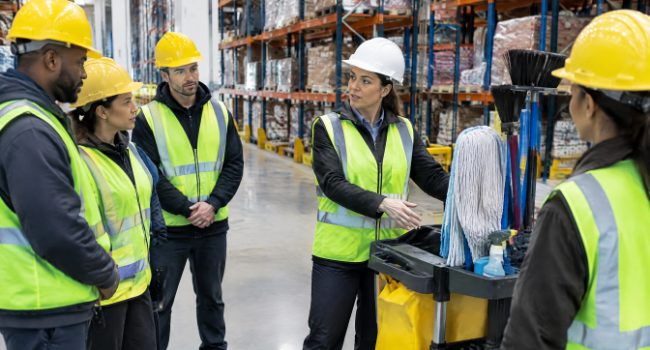
Even the best cleaning plan fails without trained people. In food warehousing, staff need to understand which method to use, when to use it, and how to protect the area before operations resume. Strong warehouse management depends on clear standard operating procedures.
For ecommerce businesses, one of the biggest benefits of using a 3PL provider is access to established systems and experienced teams. That extends beyond shipping. Good training supports safer logistics operations, steadier order fulfillment, and better customer service because fewer preventable errors reach the customer.
Strong training and SOPs usually cover:
- Method selection for dry versus wet cleaning tasks
- Area isolation and reopening rules
- Communication across teams during sanitation work
- Consistent steps that support supply chain management goals
Choosing the Right Cleaning Method for Your Food Warehouse
There is no universal winner between dry cleaning and wet cleaning. The right method depends on your products, the type of residue present, the surface involved, and how your operation runs each day. Good warehouse management uses that information to make practical decisions.
Your cleaning plan should support inventory management, protect workflows, and fit broader logistics operations. The most reliable supply chain solutions come from using best practices instead of default habits. The final sections focus on risk assessment and ongoing improvement so your sanitation approach stays effective over time.
Assessing Specific Risks and Product Needs
Start with the product, the residue, and the area affected. A dry packaged food zone has different risks than a staging area with damaged goods or spills. Good warehouse management looks at those differences before choosing a cleaning method. That keeps sanitation tied to real operational need.
If you are choosing the best 3PL provider for your business needs, assess how well the provider handles logistics operations, scaling, technology, and sanitation controls. The right partner should support supply chain management while protecting product conditions and keeping order fulfillment dependable.
Questions worth reviewing include:
- Is the contamination loose and dry or sticky and bonded to surfaces?
- Will moisture create new risk for products or packaging?
- How much downtime can the area absorb without harming order fulfillment?
- Do current supply chain solutions support clear sanitation decision-making?
Best Practices for Implementation and Continuous Improvement
A good sanitation plan should not stay static. Warehouse needs change as volume shifts, customer demands grow, and product mix evolves. Strong warehouse management uses best practices that can be reviewed and improved over time instead of repeating the same process without testing results.
3PLs help improve warehouse operations and efficiency by measuring performance, standardizing work, and adapting faster than many in-house setups can. A skilled logistics provider can use those same strengths to strengthen supply chain management through better sanitation planning and clearer execution.
Best practices for improvement include:
- Reviewing when dry or wet cleaning solved the issue effectively
- Updating procedures when workflows or risks change
- Coordinating sanitation timing with operations to protect operational efficiency
- Training teams consistently so improvements become standard practice
A documented master sanitation schedule keeps these reviews on track and makes dry and wet cleaning tasks easy to assign.
Conclusion
Understanding the differences between dry cleaning and wet cleaning methods in food warehouses is crucial for maintaining optimal sanitation standards. Both approaches have unique benefits and challenges, and getting the dry vs wet cleaning choice right can significantly impact food safety, compliance, and overall warehouse efficiency. As you navigate the complexities of warehouse sanitation, consider the specific needs of your products and operations to make informed decisions. Prioritize effective cleaning strategies that not only meet regulatory requirements but also foster a safe environment for both workers and consumers.
Need trained sanitation crews for your food warehouse? Contact the CQS team to talk through your facility’s cleaning needs.
Frequently Asked Questions
How do third party logistics providers meet food safety cleaning standards?
A third party logistics provider meets food safety cleaning standards by using trained staff, standard procedures, and controlled cleaning methods that fit the contamination involved. Strong warehouse management supports safe order fulfillment, while disciplined logistics operations protect products and strengthen supply chain management performance.
Are dry cleaning methods enough for allergen control in grocery warehouses?
Not always. Dry cleaning can help in low-moisture areas with loose allergen residue, but it may not fully remove allergens stuck to surfaces. Good warehouse management should assess the risk carefully. The right method protects inventory management, supports supply chain logistics, and helps maintain customer satisfaction.
What is the most cost-effective way to maintain warehouse sanitation?
The most cost-effective approach is to match the cleaning method to the actual risk. That supports cost control by avoiding unnecessary downtime, repeat cleaning, and workflow disruption. Strong warehouse management keeps logistics operations moving, protects order fulfillment, and builds smarter supply chain solutions over time.

Haley serves as the Marketing Manager for Complete Quality Solutions. She joined CQS in 2023 with her prior experience gained with GXO and XPO Logistics.