Business Development
(224) 213-5119
General Information
(513) 776-1078

- By Haley
- August 20, 2026
Table of Contents
Key Highlights
- A master sanitation schedule helps you organize sanitation tasks without slowing your supply chain.
- It gives your team a clear plan for cleaning zones, tools, and shared equipment.
- Strong sanitation supports inventory management, safer handling, and more consistent logistics services.
- It also helps service providers and in-house teams protect the core business from avoidable disruptions.
- When you assign frequency, ownership, and tracking, sanitation becomes a repeatable process.
- With the right schedule, your distribution center can stay cleaner, faster, and easier to manage.
Introduction
A clean facility is not just about appearance. In a busy distribution center, it supports your supply chain, protects products, and keeps logistics operations moving with fewer interruptions. If you handle food-grade goods or high-volume distribution services, you need more than occasional cleanup. You need a structured system. That is where a master sanitation schedule comes in. It turns cleaning into a planned routine, helps teams stay accountable, and makes day-to-day operations easier to control.
Understanding Master Sanitation Schedules in Distribution Centers
In any distribution center, sanitation should work like other critical logistics operations. It needs timing, ownership, and follow-through. A master sanitation schedule gives you that structure and supports stronger supply chain management across daily workflows.
If you use internal teams or a service provider, the goal is the same. You want consistent cleaning that fits warehouse management needs and protects product flow. The next sections explain what an MSS is, why it matters, and how it differs from standard warehouse cleaning.
What Is a Master Sanitation Schedule (MSS)?
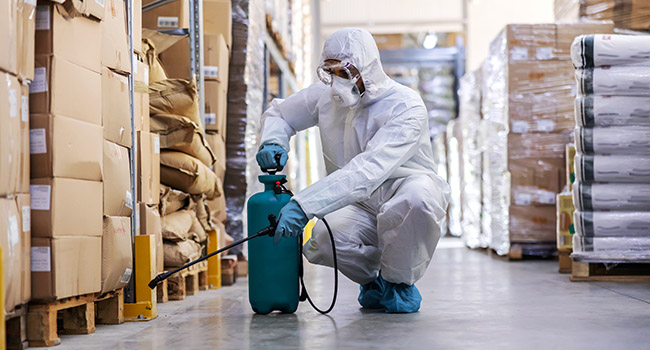
A master sanitation schedule, or MSS, is a written plan that lists what must be cleaned, how often, who does it, and how completion is recorded. Instead of relying on memory, you create a sanitation schedule that supports repeatable sanitation across shifts and work areas.
This matters because warehouse operations are busy. Teams are focused on receiving, storage, picking, and shipping. Without a set schedule, cleaning can be delayed, missed, or handled differently by each crew. That can affect product handling, inventory management, and overall flow.
You may also work with outside logistics partners. In logistics, 3PL means third-party logistics. A 3PL is a service provider that manages one or more supply chain functions such as warehousing, transportation, or order fulfillment. Whether work is done by your staff or a partner, the MSS sets one clear standard.
Why Distribution Centers Need an MSS
Creating a master sanitation schedule is crucial for distribution centers to maintain cleanliness and prevent contamination in warehouse operations. By implementing a robust MSS, facilities can enhance operational efficiency, ensuring that logistics services run smoothly without disruptions. With advanced technology integrated into their sanitation protocols, centers can significantly boost customer satisfaction and maintain quality assurance. Moreover, this systematic approach allows for better inventory management, ensuring that products are stored and shipped under optimal conditions, ultimately contributing to cost savings and a resilient supply chain.
Key Differences Between Distribution Center and Warehouse Sanitation
A traditional warehouse often focuses on storage. A distribution center usually has faster product turnover, more traffic, and tighter shipping windows. That changes how you approach sanitation. You are cleaning for movement, not just space.
Because supply chain operations move quickly, sanitation in a distribution setting often needs more frequent attention in staging zones, docks, picking paths, and shared equipment areas. The cleaning plan must match activity levels, product type, and the needs of your customer base.
This also explains why a 3PL is different from a warehouse management provider. A warehouse management provider may focus mainly on storage systems or warehouse management tools. By contrast, logistics providers offering 3PL services can handle broader supply chain operations like transportation, fulfillment, and returns. That wider scope makes industry expertise and sanitation coordination even more important.
Core Principles of Warehouse Sanitation
Good sanitation starts with consistency. In warehouse operations, you need simple routines that people can follow even during busy periods. That means clear tasks, visible expectations, and practical best practices for each area and shift.
It also needs verification. Whether you run the site yourself or use a logistics company, sanitation should support quality assurance and protect customer satisfaction. A clean site helps teams work with fewer issues and creates a stronger base for the detailed sanitation elements covered next.
Types of Contaminants Addressed in Distribution Centers
Contaminants in a distribution center are not limited to obvious dirt. In active facilities, you may deal with product residue, damaged packaging, dust from traffic, and buildup on tools or shared surfaces. These issues can affect the fulfillment process and create trouble for warehouse management teams.
The risk can increase when products move through returns and reverse logistics. Returned items may come back with damaged packaging or unknown surface conditions. If those items reenter the supply chain without controlled handling, sanitation gaps can spread across work zones and slow the flow of goods, which can raise the cost of shipping through delays and rework.
Common contaminants include:
- Dust and debris from pallet movement, docks, and traffic lanes
- Residue from broken or leaking products
- Packaging scraps, labels, and wrap left in work areas
- Soil transferred through returned goods during reverse logistics
Typical 3PLs offer services such as warehousing, inventory management, transportation, and order fulfillment, so contamination control must fit each of those activities.
Regulatory Standards for Food Grade Sanitation
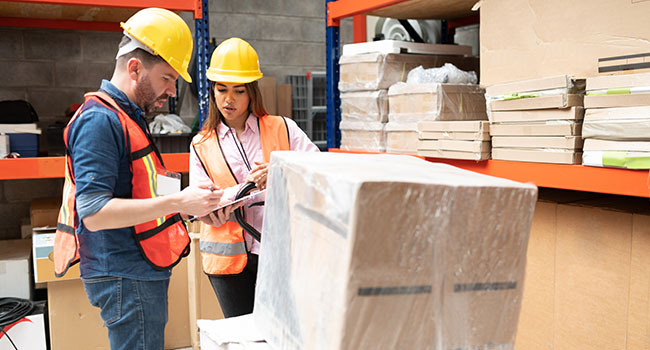
If your site handles food-related products, food grade sanitation needs tighter control. You need a schedule that aligns cleaning tasks with product handling areas, storage conditions, and shared equipment use. In a fulfillment center, this keeps sanitation connected to actual daily activity.
Regulatory standards matter because they shape what your team or service provider must do and document. The compiled guidance stresses that providers should value security and compliance and operate in line with the laws and regulations of the places where they work. That same mindset applies to sanitation programs.
There is also a practical advantage. One of the main benefits of using a 3PL provider is access to expertise, scalable support, and cost savings in logistics operations. When sanitation is part of that compliance-focused approach, food grade sanitation becomes easier to manage within broader supply chain management goals.
Role of Third Party Logistics (3PL) in Maintaining Sanitation Standards
Third party logistics providers often manage core logistics functions such as warehousing, inventory control, transportation, and order fulfillment. Because they operate inside the facility flow, their processes can directly affect sanitation standards in storage, picking, packing, and shipping areas.
In digital distribution and e-commerce settings, speed matters. A 3PL helps businesses use logistics support only when needed, improve efficiency, and focus on their own operations. That model works best when sanitation duties are clearly built into daily routines rather than treated as a separate afterthought.
Examples of 3PL companies named in the source material include DHL Group, UPS, FedEx Corporation, C.H. Robinson, Ceva Logistics, DB Schenker, Kuehne + Nagel, JB Hunt, Nippon Express, and Panalpina. If one of these or another service provider supports your site, the MSS should define its sanitation responsibilities with the same clarity as shipping or storage tasks.
Essential Components of a Distribution Center Master Sanitation Schedule
A useful MSS is detailed enough to guide action but simple enough for teams to use every day. It should list spaces, equipment, methods, timing, owners, and verification steps. If you already rely on warehouse management software, sanitation tracking can sit alongside other operational records.
The right structure also reflects real traffic patterns, inventory levels, and product risk. Whether you manage the site yourself or work with a logistics company, industry expertise helps you decide what belongs in the schedule. The next sections break down those core components.
Areas and Equipment to Include in the MSS
Start by listing every area where products, people, or equipment interact. In fast logistics operations, missed zones usually become recurring trouble spots. Your MSS should cover fixed spaces and mobile tools, especially where product movement is heavy or spills are harder to notice.
This matters for inventory management too. Clean racks, docks, and picking areas support smoother counts and fewer handling issues. If your operation carries excess inventory or seasonal surges, sanitation needs may change because items sit longer or use more floor space.
Include items such as:
- Receiving docks, staging lanes, storage racks, and packing stations
- Forklifts, pallet jacks, carts, scanners, and shared touchpoints
- Returns handling zones tied to reverse flow
- Waste collection and packaging disposal areas
If you use a service provider, choosing the right one means checking industry fit, compliance focus, customer service track record, affordable pricing, and whether its technology integrates easily with your supply chain solutions.
Determining Cleaning Frequency and Responsibilities
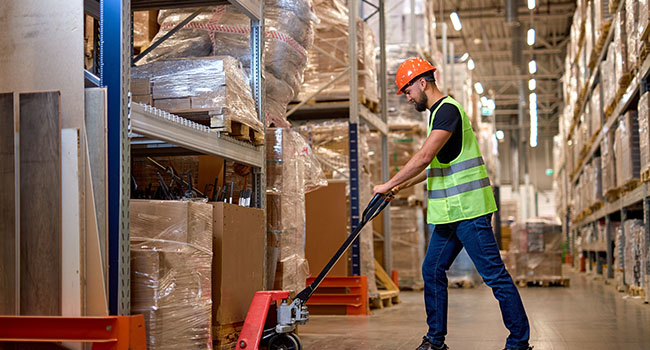
Not every task needs the same frequency. High-touch or high-traffic areas may need daily attention, while lower-risk spaces may fit a weekly or monthly pattern. Your MSS should match cleaning frequency to actual use, product risk, and the pace of supply chain operations.
Clear ownership is just as important. Assign each task to a role, shift, or outside team so sanitation does not become “someone else’s job.” That supports better order fulfillment and helps create cost savings by reducing confusion and repeat work. These are simple best practices, but they matter.
Area or Item | Suggested Frequency | Responsible Party | Why It Matters |
Dock doors and staging zones | Daily | Shift team lead | High traffic and constant movement |
Shared equipment handles | Each shift | Assigned operators | Frequent hand contact |
Returns area | Daily or per load | Returns team or 3PL partner | Reverse flow adds contamination risk |
High storage racks | Weekly | Maintenance or sanitation crew | Dust buildup over time |
Yes, 3PL can suit small businesses because it lets them use logistics services as needed instead of building everything in-house.
Selecting Food Grade Sanitation Chemicals and Tools
When selecting chemicals and tools, keep the process practical. Your choices should fit the products handled, the surfaces cleaned, and the compliance needs of the site. In food grade sanitation, consistency matters more than a crowded supply closet full of options.
You also need tools your teams can use correctly. If a logistics company or outside sanitation crew supports the operation, both sides should work from the same approved list. That makes training easier and supports quality assurance because the method stays stable across shifts and locations.
The current market landscape for 3PL providers in the US is broad and well established. The source material notes strong adoption, with many large companies relying on 3PL support, and major providers operating across warehousing, transportation, and inventory functions. In that environment, software systems, tracking, and key performance indicators help standardize sanitation choices and monitor results.
Step-by-Step Process to Building an Effective MSS
Building an MSS works best when you treat it like any other operational system. You assess the site, identify risk, define procedures, assign work, and track results. That keeps sanitation connected to your supply chain instead of separating it from daily logistics operations.
This approach also protects your core business. When cleaning supports storage, picking, packing, and order fulfillment, you reduce avoidable interruptions in both traditional distribution and digital distribution. Here is how to build that system step by step.
Conducting a Facility Assessment
Begin with a full walk-through of the site. Review receiving, storage, packing, shipping, returns, employee traffic paths, and shared equipment points. In a fulfillment center, sanitation risks often appear where movement is fastest or where tasks overlap.
As you assess, look at the different areas of logistics that affect cleanliness. Ask where debris gathers, where products wait the longest, and where employees from multiple teams touch the same tools. This gives you a practical map instead of a generic checklist.
A solid assessment improves operational efficiency because your schedule is based on real conditions. It also supports cost savings by helping you focus labor where it matters most. That is one way 3PL impacts supply chain efficiency as well. By bringing logistics expertise, technology, and process discipline, a 3PL can help standardize operations and reduce wasted effort across supply chain management activities.

Mapping Out High-Risk Zones in Your Distribution Center
After the assessment, identify the zones where contamination or missed cleaning would have the greatest effect. These are usually the places with the most traffic, product contact, or process variation. Good warehouse management depends on knowing which areas need the most control.
High-risk zones often include points where inbound and outbound activity meet. If your site works with a network of carriers or multiple outside partners, these handoff locations deserve close attention. Lead logistics providers may also need defined responsibilities if they manage broader flow across the site.
Watch zones such as:
- Receiving docks and trailer entry points
- Returns processing areas and inspection tables
- Packing stations and shared equipment storage
- Staging lanes with heavy daily turnover
Typical 3PL services include warehousing, transportation, inventory control, and order fulfillment. Because those logistics operations touch many of these zones, mapping risk clearly strengthens supply chain resilience.
Creating Sanitation Procedures and Standard Operating Guidelines
Once you know what to clean and where to focus, write simple procedures for each task. Spell out the area, tool, method, frequency, safety steps, and recordkeeping requirement. In busy warehouse operations, short and direct instructions are easier to follow.
Keep the language consistent across teams. If you work with outside partners, your sanitation procedures should align with other logistics operations so there is no confusion between site rules and vendor practices. Clear standard operating guidelines make supply chain solutions more dependable because everyone works from the same playbook.
The main benefits of using a 3PL provider include cost savings, scalability, access to expertise, improved performance, and support during disruptions. Those benefits grow when procedures are documented well. Even if a provider also handles transportation or freight forwarding, sanitation expectations should be written with the same precision as service levels or shipping rules.
Monitoring and Improving Your Sanitation Program
A sanitation schedule only works if you monitor it. Once tasks are in place, you need a simple way to confirm completion, spot misses, and correct weak areas. That keeps sanitation tied to quality assurance rather than turning it into a checklist exercise.
Improvement should also be ongoing. Changes in order fulfillment volume, staffing, or layout may require updates. Whether work is handled in-house or by a services provider, regular review supports cost savings and better use of data analytics. The next sections show how to keep the program strong.
Tracking Compliance With MSS Tasks
Tracking compliance starts with visibility. You need to know whether tasks were completed on time, by the right person, and to the expected standard. That can be done with paper logs, digital forms, or systems linked to warehouse management software.
Simple key performance indicators can help. You might track task completion rate, missed-task frequency, repeat issues by zone, or corrective action closure. Used well, these measures support operational efficiency and show whether sanitation is helping the fulfillment process instead of slowing it down.
Data analytics can make patterns easier to spot, especially in larger sites. If one area is repeatedly missed, you can adjust timing, staffing, or workflow. And if you are new to the term, 3PL means third-party logistics, which refers to outsourced providers that handle logistics functions such as storage, shipping, and fulfillment.
Training Staff and 3PL Partners on Sanitation Protocols
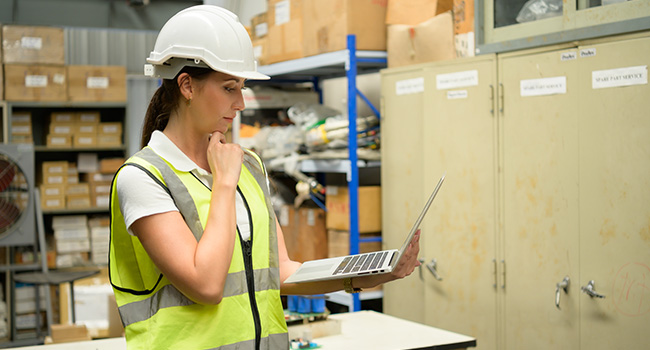
Effective training for staff and 3PL partners on sanitation protocols ensures everyone is aligned with best practices. Providing hands-on training sessions and clear guidelines fosters a culture of quality assurance. Utilizing advanced technology, such as warehouse management software and data analytics, can enhance understanding of sanitation processes. Regular refreshers not only maintain compliance but also improve employee confidence. This creates a safer environment and enhances customer satisfaction, ultimately benefiting logistics operations and promoting supply chain resilience.
Auditing, Recordkeeping, and Continuous Improvement
Auditing helps you verify that the MSS works in real life. Schedule regular checks to compare written procedures with actual conditions on the floor. Look for missed tasks, incomplete records, repeat trouble spots, and any mismatch between cleaning frequency and site activity.
Good recordkeeping supports supply chain visibility. It creates a history of what was cleaned, when, by whom, and what follow-up was needed. If you work with a service provider, these records help both sides review performance and make changes based on facts instead of assumptions.
Continuous improvement means updating the MSS as conditions change. New layouts, higher volumes, returns growth, or staffing shifts can all affect sanitation needs. This is one of the main benefits of structured supply chain solutions and best practices. Over time, clearer sanitation control can also help limit rework and the indirect cost of shipping caused by operational disruptions.
Conclusion
In conclusion, building a Master Sanitation Schedule (MSS) for your distribution center is imperative for maintaining high sanitation standards and ensuring compliance with regulatory guidelines. By incorporating key components such as cleaning frequencies, specific areas and equipment to address, and effective training for staff and 3PL partners, you can create a robust sanitation program that minimizes contamination risks. Regular monitoring and continuous improvement will further enhance your sanitation efforts, fostering a cleaner and safer environment for your operations. If you’re ready to elevate your sanitation practices, get a free consultation with our experts to help guide you through the process!
Frequently Asked Questions
How is third party logistics (3PL) different from typical warehouse management providers in terms of sanitation?
A 3PL usually covers broader logistics services such as storage, fulfillment, transportation, and returns, while a warehouse management provider may focus more narrowly on warehouse management tools or storage support. Because a 3PL touches more of the supply chain, its sanitation responsibilities often extend across more functions and handoff points.
Is a master sanitation schedule necessary for non-food distribution centers?
Yes. Even in non-food sites, a master sanitation schedule supports the fulfillment process, keeps shared spaces under control, and improves operational efficiency. It also helps standardize best practices across different areas of logistics, making supply chain management more organized and reducing avoidable disruption.
What are the most important food grade sanitation products for a distribution center?
The most important products are the approved chemicals and tools that fit your surfaces, handling risks, and documented procedures. In food grade sanitation, consistency matters most. A logistics company should standardize those items to support quality assurance, safer warehouse operations, and more reliable supply chain solutions.

Haley serves as the Marketing Manager for Complete Quality Solutions. She joined CQS in 2023 with her prior experience gained with GXO and XPO Logistics.