Business Development
(224) 213-5119
General Information
(513) 776-1078


- By Haley
- July 2, 2026
Table of Contents
Key Highlights
- Freight safety supports smoother supply chain performance and better logistics operations.
- Strong warehouse safety practices protect people, goods, and daily warehouse management tasks.
- 3PL partners can improve compliance, order accuracy, and shipping control when roles are clear.
- Safe loading, storage, and equipment use help reduce damage, delays, and rising costs.
- Driver training, inspections, and dock rules strengthen carrier safety across distribution networks.
- Audits, employee training, and simple technology tools help teams improve safety over time.
Introduction
Freight safety is a daily business issue, not just a checklist item. If your team handles storage, shipping, or order movement, safe processes protect people and keep supply chain management on track. Good warehouse management also supports faster service, fewer disruptions, and better control across logistics services. Whether you run a warehouse, work with carriers, or rely on outside partners, a practical safety approach helps you lower risk while keeping goods moving where they need to go.
Understanding Freight Safety in Modern Logistics
Freight safety shapes every part of the supply chain, from receiving to storage to final delivery. In modern logistics operations, it affects order fulfillment speed, product condition, and the daily work of warehouse workers.
A 3PL means third-party logistics. It works by outsourcing warehousing, transportation, or both to outside specialists. That differs from 1PL, where a company handles its own logistics, and 2PL, where it outsources transportation only. Freight forwarders also differ because they mainly coordinate shipping rather than take responsibility for broader warehouse functions.

The Role of Safety in Third Party Logistics (3PL) and Supply Chains
Safety matters deeply in third party logistics because a 3PL often controls storage, handling, and transportation across several supply chain operations. If safety slips in one area, the effect can spread fast. Delays, damaged freight, and worker injuries can all disrupt service.
For many businesses, a logistics provider is trusted with core tasks that affect customer orders and daily performance. That makes warehouse safety a direct business concern, not just a site issue. Good service providers build safe routines into receiving, picking, packing, and shipping.
In practical terms, strong safety standards help 3PL teams stay reliable during growth, peak demand, and expansion into new markets. They also support compliance and reduce avoidable risk. When safety is taken seriously, supply chains usually run with fewer interruptions and better control.
Why Warehouse Safety Is Essential for Business Operations
Warehouse safety directly supports warehouse management and day-to-day operational efficiency. When people can move, lift, store, and ship goods safely, work flows better. That means fewer delays, fewer damaged items, and more consistent output.
For ecommerce businesses, safety also affects costs. Injuries, broken equipment, and damaged stock can raise expenses fast. Poor practices can hurt inventory levels, slow order handling, and create issues that reach the customer. A logistics company that runs a safe warehouse is often better positioned to maintain service quality.
There is also a customer side to this. Safer operations help teams ship accurate orders on time, which supports customer satisfaction. If your business depends on speed and reliability, safety is not separate from performance. It is one of the reasons operations stay stable.
Key Principles of Warehouse Safety
Effective warehouse management starts with simple safety standards that everyone understands. Clear walkways, organized warehouse space, marked zones, and safe equipment use create a more controlled environment. These basics reduce confusion and help teams work with fewer mistakes.
Just as important, employee training must stay active instead of becoming a one-time event. Teams need regular reminders on lifting, storage, reporting, and handling routines. With those principles in place, the next steps become easier to apply across the floor.
Creating a Culture of Safety Among Warehouse Labor
Fostering a culture of safety within warehouse settings is vital for enhancing overall operational efficiency. Engaging warehouse workers in safety training sessions cultivates awareness and ownership, leading to improved compliance with safety protocols. Encouraging open communication about potential hazards empowers employees, offering them a sense of responsibility for their own safety and that of their colleagues. Regular safety drills and recognition programs boost morale, reinforcing the importance of safety in logistics operations. A strong commitment to safety not only secures the workforce but also positively impacts customer satisfaction and inventory management.
Core Safety Guidelines for All Warehouse Operations
Every warehouse needs a small set of rules that apply across receiving, storage, picking, packing, and shipping. These guidelines should be easy to follow and tied to safety compliance, daily output, and clear accountability.
Many 3PL providers offer warehousing, inventory control, order fulfillment, transportation management, and returns handling. Because those services touch several core competencies, safety rules must cover people, products, and equipment together. Warehouse management software can support this by improving visibility into stock levels and movement.
- Keep aisles, exits, and work zones free of clutter.
- Match storage methods to product weight, size, and handling needs.
- Inspect equipment before use and report issues right away.
- Use system data to track stock levels and spot risky workflow patterns.

Essential Safety Checklist for Warehouses
A useful checklist helps teams stay consistent across warehouse management tasks. It should cover housekeeping, storage rules, equipment checks, dock safety, reporting steps, and training status. With a clear process, fewer items get missed during busy periods.
Your warehouse management system can support this by showing inventory movement, task flow, and pressure points inside fulfillment centers. Since warehouses sit at the center of many supply chain functions, a simple checklist creates structure before problems grow into disruptions.
General Warehouse Environment Safety Standards
The warehouse environment affects safety more than many teams realize. Clean floors, clear signage, open access routes, and organized warehouse space all help people move safely and find what they need quickly. Small layout issues can slow the supply chain and create avoidable risk.
Costs in third-party logistics often rise when space is poorly used, labor is wasted, or damage increases. Safety standards help control those issues. They also protect customer orders and reduce extra handling that eats into margins. For growing companies, that leaves more room to focus on product development and service.
- Mark pedestrian and equipment lanes clearly.
- Keep storage areas dry, well lit, and easy to access.
- Remove debris and obstacles before each shift begins.
Equipment Maintenance and Safe Handling Procedures
Regular equipment maintenance ensures that all tools and machinery operate at peak efficiency, contributing to overall safety in the warehouse. Establishing a routine for checking and servicing equipment not only mitigates risks but also enhances productivity by minimizing downtime. Safe handling procedures should be continuously reinforced among warehouse workers. Providing training sessions on proper lifting techniques and use of personal protective equipment (PPE) fosters a culture of safety. This proactive approach not only protects employees but also supports optimal logistics operations and enhances customer satisfaction through reliable order fulfillment.
Freight Handling and Storage Best Practices
Freight handling works best when teams combine safe movement with clear storage rules. In fast-moving logistics operations, rushed loading or poor stacking can damage goods and slow the next step in shipping logistics. A steady process is usually the safer one.
Storage decisions matter too. When inventory levels change, teams should adapt how they use storage space without crowding aisles or overloading racks. The following best practices focus on the handling steps that most often create risk.
Proper Loading and Unloading Techniques
Loading and unloading set the tone for the rest of the shipment. If freight is rushed onto a truck or removed without a plan, damage becomes more likely. Good technique protects workers, freight condition, and delivery timing.
3PL warehousing improves supply chain efficiency by placing inventory closer to demand, organizing handling steps, and reducing avoidable delays. That can lower shipping costs and improve reliability across a broader global network. It also helps service providers and freight brokerage partners work from cleaner, more consistent processes.
- Verify dock stability and trailer position before loading starts.
- Balance weight across the trailer to reduce shifting in transit.
- Use the right equipment for heavy or awkward items.
- Confirm labels and counts before freight leaves the dock.
Pallet Stacking, Labeling, and Secure Storage Methods
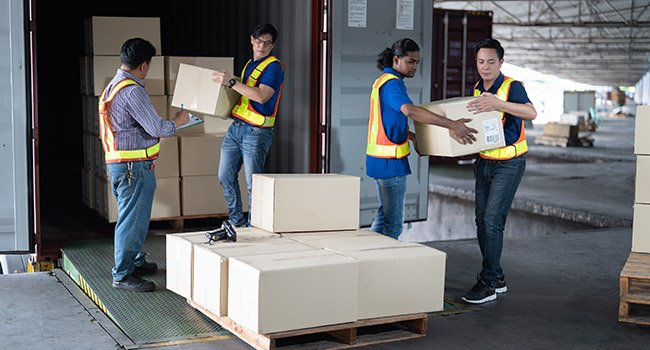
Safe pallet stacking protects goods and makes order fulfillment faster. Pallets should be stable, evenly built, and placed where teams can access them without blocking movement. Weak stacking creates collapse risks and often leads to damaged stock.
For ecommerce businesses, one of the main benefits of a 3PL provider is better warehouse space use, faster shipping, and scalable fulfillment during demand changes. A warehouse management system supports this by improving location accuracy, labeling, and inventory visibility. Some providers also support custom packaging, which can reduce damage during storage and shipment.
- Stack pallets evenly and avoid overhanging product.
- Use clear labels that match system records and storage locations.
- Secure high-risk or fragile items with suitable wrapping or support.
Carrier Safety Compliance and Protocols
Carrier safety is a major part of transportation management. Trucks, drivers, and dispatch routines all affect whether freight arrives safely and on time. Strong protocols help reduce incidents that interrupt logistics operations or create losses.
There is a financial side as well. Poor carrier safety can raise claims, delays, and wasted labor, which puts pressure on shipping rates and limits cost savings. The next sections cover the two carrier practices that matter most every day.
Vehicle Inspection and Maintenance Routines
Vehicle checks should happen before routes begin and continue through scheduled equipment maintenance. Tires, brakes, lights, trailer condition, and load security all affect shipping logistics. These routines matter whether a carrier runs parcel loads or full truckload moves.
Well-known 3PL providers in the United States include C.H. Robinson, DHL, FedEx, JB Hunt, UPS, DB Schenker, Kuehne + Nagel, Ceva Logistics, Nippon Express, and Panalpina. Large names do not replace discipline, though. Safe logistics services depend on consistent inspection habits.
A simple review table can help teams standardize inspections:
Inspection Area | What to Check | Why It Matters |
Brakes | Response, wear, warning signs | Prevents road incidents |
Tires | Pressure, tread, damage | Supports safe travel and fuel control |
Lights | Headlights, brake lights, signals | Improves visibility and compliance |
Trailer | Doors, floor, restraints | Protects freight in transit |
Driver Training and Incident Reporting Procedures
Drivers need more than route knowledge. They should understand load safety, communication rules, delivery documentation, and what to do after an incident. Good training supports transportation services and keeps handoffs smoother between drivers and warehouse management teams.
One common challenge when working with a 3PL or logistics company is limited visibility into how issues are handled. Clear incident reporting helps solve that. It gives customer support teams better information and helps operations correct patterns before they repeat.
- Train drivers to report damage, delays, and safety concerns immediately.
- Use a standard process for documenting time, location, and load condition.
- Share incident findings with warehouse and carrier teams for follow-up action.
Distribution Center Safety Considerations
A distribution center often handles more volume, more traffic, and faster turnover than a smaller warehouse. That means safety planning must cover people, vehicles, storage, and time-sensitive freight at once. Busy sites need clear routines.
This is especially true when companies operate across multiple warehouse locations or offer broad supply chain solutions. Reverse logistics adds another layer because returned goods may arrive damaged, mixed, or poorly labeled. The next two areas deserve close attention.
Hazard Identification and Emergency Preparedness
Hazard identification should be part of normal warehouse management, not something saved for annual reviews. Teams should watch for blocked exits, unstable storage, damaged tools, spills, and unsafe traffic patterns. These issues can build quickly when inventory levels rise.
Warehouse safety is highly important in third-party logistics because one site may handle goods for many clients at once. If a hazard shuts down activity, the impact can spread across several accounts and delay service. That is why emergency preparedness needs practical steps, not just written rules.
- Post clear evacuation routes and emergency contacts.
- Train teams on fire, spill, and injury response procedures.
- Review hazards regularly during busy periods and layout changes.

Managing Traffic Flow and Dock Safety
Traffic flow problems often begin at the dock. Congested lanes, unclear parking, and poor signaling can create collisions, delays, and damaged freight. This gets worse when stock levels increase and teams push more product through the same warehouse space.
For ecommerce businesses, safer dock practices improve efficiency by reducing slowdowns, freight loss, and labor waste. They also help inventory management stay accurate because products move through controlled handoff points. Better dock flow supports smoother shipping logistics and more dependable order handling.
- Separate pedestrian paths from lift truck and trailer zones.
- Schedule dock activity to reduce crowding during peak periods.
- Use clear signs and communication rules for trailer arrival and departure.
3PL Provider Responsibilities for Freight & Warehouse Safety
A 3PL does more than move and store products. As a logistics provider, it is responsible for running safe processes that protect workers, freight, and customer expectations. That responsibility touches labor practices, equipment use, reporting, and site controls.
For clients, this matters because outsourced work still affects the core business. Reliable service providers bring industry expertise, but they also need clear accountability. The next sections show how strong partners promote safety and how you can set expectations from the start.
How Leading 3PLs Promote Safe Warehouse Operations
Leading third party logistics companies build safety into everyday supply chain operations rather than treating it as a separate project. That usually means standard work rules, scheduled checks, employee instruction, and clear reporting when something goes wrong.
Typical service providers offer warehousing, inventory control, order processing, transportation management, and returns support. Because those fulfillment services connect multiple tasks, strong 3PLs use one safety approach across receiving, storage, picking, and shipping instead of isolated rules by department.
- Align safety procedures with each service offered on site.
- Use regular reviews to catch risks before they affect freight flow.
- Connect supervisors, floor staff, and managers through clear reporting steps.
Setting Safety Expectations with Third Party Logistics Partners
Before signing with a partner, define what safe performance looks like. A 3PL means a third-party logistics provider that handles outsourced warehousing, shipping, or both. It works by taking over selected logistics solutions while the client keeps overall direction of the supply chain.
That setup only works well when expectations are clear. Ask how the provider trains staff, maintains equipment, manages incidents, and uses its warehouse management system. Safety should be part of supply chain management discussions from the beginning, not added after operations start.
- Set written expectations for reporting, training, and site rules.
- Review whether system visibility supports safe and accurate execution.
- Confirm how the provider handles compliance across each operating location.
Evaluating and Improving Safety Performance
Safety gets better when it is measured. Teams should track key performance indicators such as incident frequency, equipment downtime, damaged freight, and training completion. These signals show where warehouse management needs attention before larger failures happen.
Improvement also supports supply chain efficiency and cost savings. When leaders review patterns instead of isolated problems, they can fix root causes and build more stable routines. Audits and training are two practical ways to keep progress moving.
Using Audits and Technology to Enhance Warehouse Safety
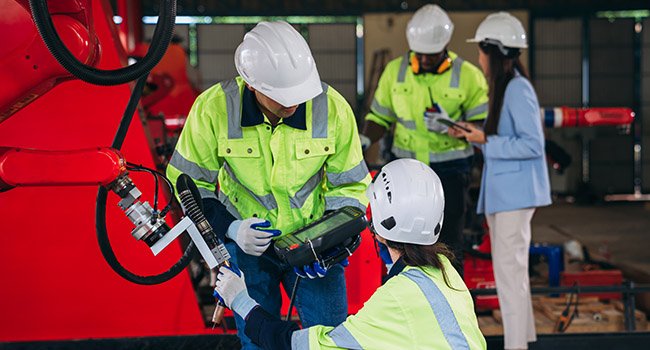
Audits help teams spot unsafe habits that become normal over time. A good review looks at storage conditions, equipment checks, dock practices, and reporting quality. This gives managers a clearer picture of how safety affects inventory management and daily output.
Technology adds another layer. Warehouse management software and data analytics can reveal congestion points, repeated handling errors, and mismatches between task flow and storage design. Better visibility helps 3PL warehousing improve supply chain efficiency by reducing waste, protecting inventory, and supporting smoother supply chain functions.
- Schedule routine audits during normal operations, not only after incidents.
- Use system data to identify repeat delays, damage points, or crowded zones.
- Turn audit findings into simple action plans with owners and deadlines.
Ongoing Training for Warehouse Labor and Carrier Staff
Training should continue as workloads, layouts, and product mixes change. Ongoing training helps warehouse workers and carrier teams stay sharp on handling, reporting, and emergency response. It also makes safety part of daily work instead of a box to check.
For ecommerce businesses, a key benefit of using a 3PL provider is access to trained teams, scalable support, and more consistent execution during demand spikes. A capable logistics company can improve shipping speed and protect the customer experience when volume rises.
- Refresh training regularly for loading, storage, and equipment use.
- Include both warehouse workers and carrier staff in shared safety sessions.
- Link training updates to service quality and customer experience goals.
Conclusion
In conclusion, ensuring freight safety in warehouses, carriers, and distribution centers is critical for maintaining operational efficiency and protecting your workforce. By adhering to the essential safety checklist and implementing best practices, you can foster a safer working environment that significantly reduces the risk of accidents and injuries. Remember that safety is an ongoing journey; continuous training, evaluation, and improvement are key to adapting to new challenges in logistics. If you’re looking to enhance your safety protocols and promote a culture of safety in your operations, don’t hesitate to reach out for a free consultation with our experts. Together, we can help you create a safer workplace for everyone involved.
Frequently Asked Questions
What are the key differences between 3PL and other logistics providers in terms of safety?
A 3PL usually manages broader logistics operations than 1PL or 2PL, so its safety role covers warehousing, handling, and transportation across the supply chain. A 1PL manages its own work, while a 2PL mainly handles transport. That makes a 3PL logistics provider responsible for more connected safety controls.
How does warehouse safety impact costs and efficiency for ecommerce businesses?
Warehouse safety supports cost savings by reducing injuries, damage, delays, and equipment problems. For ecommerce businesses, that improves order fulfillment speed and accuracy. It also strengthens supply chain management by keeping inventory moving through the warehouse with fewer disruptions and less wasted labor.
What factors should I consider when choosing a third party logistics partner with strong safety standards?
Look for a third party logistics partner with clear safety standards, regular training, strong warehouse management practices, reliable equipment checks, and solid incident reporting. You should also ask about compliance, technology visibility, and whether its logistics services fit your operating needs and growth plans.

Haley serves as the Marketing Manager for Complete Quality Solutions. She joined CQS in 2023 with her prior experience gained with GXO and XPO Logistics.