Business Development
(224) 213-5119
General Information
(513) 776-1078

- By Haley
- September 24, 2026
Table of Contents
Key Highlights
- Chemical warehouse operations depend on tight warehouse management and disciplined logistics operations every day.
- Specialized labor helps protect people, products, and property while supporting DOT compliance and EPA compliance.
- Clear roles, strong training, and reliable procedures improve supply chain logistics and reduce avoidable errors.
- A capable 3PL can integrate warehousing and transportation into one coordinated service model.
- Good documentation, reporting, and emergency response plans strengthen compliance and operational control.
- Smart outsourcing can improve efficiency, manage warehouse space, and support cost-focused growth.
Introduction
Running a chemical warehouse is not like handling standard consumer goods. Your team must balance speed, safety, and strict rules while keeping logistics operations moving without disruption. That takes more than storage space. It takes trained people, defined processes, and systems that support supply chain management from receiving through shipping. If you are reviewing your current setup or thinking about outsourcing, it helps to understand how chemical warehousing works and where specialized labor fits into compliance.
Overview of Chemical Warehouse Operations
Chemical warehousing supports safe storage, handling, and movement of regulated materials. Strong warehouse management keeps products organized, tracks stock levels, and connects storage with shipping and transportation planning.
At the same time, many logistics companies use integrated services to manage both warehousing and transportation. That matters because supply chain operations depend on visibility, reliable handoffs, and consistent execution. To see why this matters, it helps to look at the warehouse role inside the broader supply chain and the core parts of safe daily operations.
The Role of Chemical Warehouses in Supply Chains
Chemical warehouses are a control point in the supply chain. They hold inventory, protect product integrity, and support timed releases to customers, carriers, or downstream sites. When storage and shipping stay aligned, distribution services become more predictable.
You also need coordination across logistics services. A warehouse does not work in isolation. It connects receiving, order processing, transportation planning, and customer service. If one step slips, the effect can spread across the network.
In logistics, 3PL means third-party logistics. It refers to a long-term outsourcing model where an external provider manages functions such as warehousing, transportation, and related supply chain activities. In chemical operations, that can mean a partner handling storage, order flow, and integrated movement of products while fitting into your systems and service needs.
Key Components of Safe Warehouse Operations
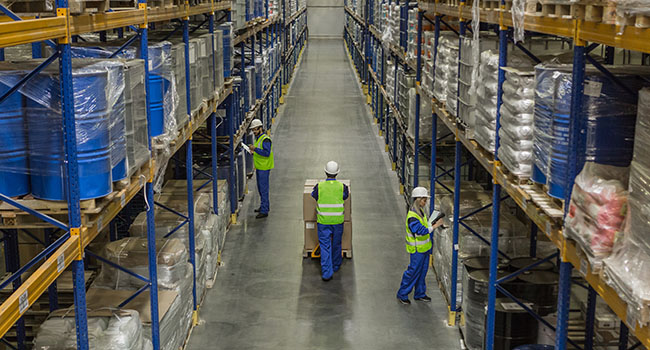
Safe chemical storage starts with disciplined warehouse management. You need clear product location control, careful handling, and defined workflows. That structure supports both safety and operational efficiency.
Just as important, daily tasks should follow consistent safety protocols. Teams need to know what to do when receiving, storing, picking, or preparing shipments. Simple routines reduce confusion and protect order fulfillment from preventable delays.
Key components usually include:
- Clear storage rules and handling steps for different products
- Controlled receiving and picking processes to support order fulfillment
- Reliable labeling, tracking, and inventory accuracy within warehouse management
- Defined safety protocols for routine work and abnormal events
When those basics are in place, your facility is better positioned to manage regulated materials under demanding operating conditions.
Regulatory Environment Affecting Chemical Storage
Chemical storage operates inside a strict regulatory environment. For many businesses, the warehouse must support both safe storage and compliant movement. That affects how you design workflows, assign labor, and oversee warehouse management.
Two major compliance areas shape decisions. DOT compliance affects transportation-related handling, shipping preparation, and the movement of hazardous materials. EPA compliance affects environmental responsibilities tied to storage, handling, and response practices. These rules influence the broader supply chain, not just the building itself.
Some operations also interact with outside specialists such as freight teams or customs brokerage partners. Even then, the warehouse remains a key compliance checkpoint. If internal processes are weak, outside support cannot fully protect your operation from missteps.
Specialized Labor in Chemical Warehousing
Specialized labor matters because chemical handling requires more than general warehouse experience. Your people need role-specific knowledge, consistent judgment, and the ability to follow defined procedures under pressure. That protects both compliance and daily output.
Whether labor is in-house or supplied by a service provider, performance improves when workers understand the warehouse management system and how their tasks affect broader logistics operations. The next sections break down the skills, positions, and training habits that make chemical warehousing more reliable.
Essential Skills for Chemical Warehouse Labor
Chemical warehouse teams need practical skills that hold up during routine work and exceptions. Speed alone is not enough. Workers must combine accuracy with industry expertise so product handling stays controlled from receipt through shipment.
That skill mix supports operational efficiency and protects customer satisfaction. When labor performs well, order fulfillment stays on schedule, errors drop, and communication across the operation improves.
Important capabilities include:
- Strong attention to detail during receiving, storage, and order fulfillment
- Comfort using warehouse systems and following defined work instructions
- Industry expertise related to regulated handling and controlled movement
- Clear communication that supports team coordination and customer satisfaction
If your labor force lacks these basics, even a strong process design can break down. Skilled people turn procedures into dependable execution.
Key Positions in Chemical Warehouse Operations
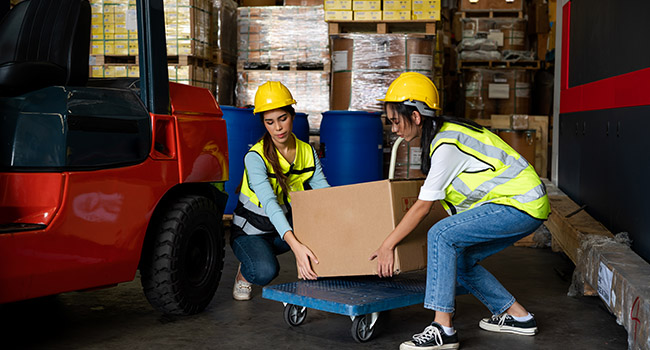
Chemical warehouse operations rely on clear responsibilities. Each role supports a different part of warehouse management, from physical handling to system coordination. When role lines are blurred, logistics operations become slower and harder to control.
You may staff these jobs internally or through a service provider. Either way, role clarity helps with cost control because work is assigned more efficiently and mistakes are easier to trace and correct.
Position | Primary Focus | Why It Matters |
Warehouse associate | Receiving, storage, picking, handling | Supports daily warehouse management accuracy |
Inventory coordinator | Stock records and location control | Improves visibility and reduces mismatches |
Shipping coordinator | Shipment preparation and handoff | Keeps logistics operations moving on time |
Supervisor | Oversight, labor direction, issue response | Strengthens cost control and accountability |
Strong staffing is not about headcount alone. It is about matching the right position to the right task every day.
Importance of Ongoing Employee Training
Training cannot be a one-time event in a chemical warehouse. Workflows, system demands, and compliance expectations require repeated instruction and reinforcement. Without that, even experienced teams can drift from safe, consistent practice.
Regular training supports operational efficiency by reducing confusion, improving system use, and helping workers handle exceptions with confidence. It also strengthens core competencies, which is critical when labor turnover or shifting volume puts pressure on the operation.
From a broader view, better-trained teams support warehouse management and the larger supply chain logistics network. They make more reliable decisions, protect inventory flow, and help the business stay focused on stable execution. For chemical operations, continuous learning is part of risk control, not an optional extra.
Understanding DOT & EPA Requirements
DOT compliance and EPA compliance shape how chemical products are stored, prepared, and moved. These requirements affect labor practices, documentation, and daily controls across the facility. If your operation misses the basics, the impact can spread beyond one shipment or one incident.
For businesses using outside support, supply chain management services should align with these obligations rather than sit beside them. The next sections explain how transportation and environmental requirements influence warehouse decisions and where common errors often appear.
DOT Regulations Impacting Chemical Logistics
DOT compliance directly affects chemical logistics because transportation starts long before a truck leaves the dock. The warehouse must prepare products correctly, coordinate handling, and support accurate shipping activity tied to regulated movement.
That means transportation services and warehouse teams must work closely. If communication breaks down, logistics operations can suffer through delays, rework, or rejected shipments. Proper preparation is part of compliant transportation, not a separate step.
This also matters when working with freight forwarders or other outside transportation partners. They may handle movement, but warehouse execution still sets the foundation. In chemical logistics, DOT compliance depends on what happens at receiving, storage, staging, and shipping, so the warehouse cannot treat transportation rules as someone else’s problem.
EPA Compliance for Warehouse Operations
EPA compliance affects how chemical warehouses manage environmental responsibilities inside the facility. Your processes for storage, handling, and incident response must support safe conditions and controlled operations. This is where disciplined warehouse management becomes essential.
A strong system helps you connect physical activity with records, locations, and response steps. That matters because EPA compliance is not only about policy. It depends on how work is performed each day by the people on the floor.
If you use outside supply chain solutions, confirm that each service provider can support your environmental expectations. A partner may offer warehousing or transportation, but chemical operations require more than general logistics capability. The provider should fit your process, systems, and compliance needs rather than forcing you into a generic model.
Common Compliance Mistakes to Avoid
Many compliance problems come from routine breakdowns, not dramatic failures. Small gaps in execution can create larger issues across inventory management and shipping. That is why prevention is usually more valuable than cleanup.
You may focus on output, but weak controls can erase cost savings fast. Rework, delays, and service problems all put pressure on logistics operations. Good compliance habits help protect time, labor, and customer commitments.
Common mistakes include:
- Treating compliance as separate from daily inventory management
- Using labor that lacks training for regulated handling tasks
- Allowing inconsistent records or poor system updates
- Overlooking process fit when adding outside logistics operations support
Avoiding these errors starts with discipline. Clear processes, trained people, and reliable follow-through keep compliance practical and sustainable.
3PL and Third Party Logistics for Chemical Warehousing
Many businesses use logistics providers to handle warehousing and transportation through a 3PL model. In chemical environments, that arrangement can work well when the provider offers integrated operations, system connection, and a service approach that fits your requirements.
Still, not every 3PL is the same. Some focus on basic warehousing, while others offer more specialized supply chain solutions and deeper warehouse management support. The following sections explain how 3PL works, why it can help, and how to choose a provider carefully.
What Is 3PL and How Does It Work in Chemical Warehouses?
A 3PL is a third-party logistics provider. In simple terms, it is an external provider that takes on logistics functions through an ongoing outsourcing relationship. Those functions can include warehousing, transportation, and related service activities inside the supply chain.
In chemical warehouses, a 3PL may manage storage, order flow, shipping coordination, and system-based visibility. Unlike a basic outsourced carrier, the provider is usually integrated into the customer’s operations and informed about expected workload. That integration helps support customized execution.
This is why many logistics companies position 3PL as more than storage space. It is a coordinated operating model built around long-term service, technology connection, and process fit. For chemical products, that fit matters because standard handling is often not enough for regulated material.
Benefits of Third Party Logistics for Chemical Inventory Management
Partnering with a 3PL can help chemical businesses manage inventory more effectively when the provider offers the right fit. The main benefits often come from integration, flexibility, and access to systems or expertise that may be difficult to build internally.
A well-matched partner can improve order fulfillment and strengthen fulfillment services without forcing you to invest in your own large facility network. Better coordination can also improve supply chain visibility, which supports decision-making across storage and shipping.
Key benefits may include:
- Better cost optimization through shared resources and scalable operations
- Stronger order fulfillment support during changing workload periods
- Improved fulfillment services through integrated warehousing and transport
- Greater supply chain visibility through connected systems and status updates
These gains depend on provider quality. A poor fit can create friction, so benefits come from alignment, not outsourcing alone.
Choosing a 3PL Provider for Chemical Storage Needs
Choosing the best 3PL provider starts with fit, not just price. In chemical warehousing, you need a partner that can align with your product requirements, operating structure, and service expectations over time. Reliability and adaptability matter.
Look closely at how logistics providers support integration and whether their service options match your actual needs. A provider may look strong on paper but still fall short if warehouse capacity, process design, or communication style does not fit your operation.
Focus your review on:
- Proven industry expertise in specialized or regulated environments
- Service options that match your warehousing and transportation needs
- Sufficient warehouse capacity for stable and changing demand
- Willingness to adapt processes to your business requirements
If you want the best match, choose the provider that supports your model well, not the one with the broadest marketing pitch.

Operational Best Practices for Compliance
Compliance becomes easier to maintain when good habits are built into daily work. In a chemical setting, warehouse management should connect safety, system accuracy, and documented follow-through rather than treating them as separate tasks. That structure supports stronger operational efficiency.
It also helps with cost control. Preventing errors is usually cheaper than correcting them after a shipment issue or warehouse event. The next sections cover practical best practices around safety procedures, documentation, and emergency response.
Warehouse Safety Protocols and Procedures
Safety protocols give structure to chemical warehouse work. They help your team make consistent decisions during receiving, storage, picking, and shipping. Without them, warehouse management becomes reactive and harder to control.
You also protect logistics operations when procedures are clear. Fewer mistakes mean fewer delays, less disruption, and stronger customer satisfaction. That matters because safe handling and reliable service often support the same business goal.
Useful protocol areas include:
- Standard steps for receiving, storage, picking, and shipment staging
- Clear escalation paths when a process does not look right
- Routine checks that support warehouse management consistency
- Defined work practices that protect logistics operations and customer satisfaction
Simple procedures are often the most effective. If employees can understand and repeat them easily, the warehouse is more likely to perform well under pressure.
Documenting and Reporting for DOT & EPA Compliance
Documentation is one of the strongest controls in chemical warehousing. If an activity is not recorded clearly, it becomes harder to prove that work was completed correctly. That is a problem for both DOT compliance and EPA compliance.
A dependable warehouse management system helps by connecting movements, locations, and status updates in one place. This supports cleaner reporting and reduces the risk of missed or inconsistent records. It also gives teams a stronger basis for investigating issues quickly.
Good reporting improves supply chain visibility as well. When warehouse activity is captured accurately, managers can see what is moving, what is delayed, and where attention is needed. In regulated operations, visibility is not just convenient. It helps keep compliance practical and defensible.
Handling Spills and Emergencies in Chemical Warehouses
Chemical warehouses need clear emergency procedures before an incident happens. Waiting to decide roles during a spill or disruption can slow response and increase confusion. Preparation is part of responsible warehouse management.
A strong response plan also protects operational efficiency. Fast, organized action limits downtime and supports better communication with internal teams and customer support contacts when service is affected. Calm execution matters.
Your emergency approach should include:
- Defined emergency procedures for spills and abnormal events
- Clear employee roles and reporting steps during an incident
- Fast communication paths for managers and customer support teams
- Post-event review steps to restore operational efficiency
No warehouse can remove all risk. What you can do is build a response structure that helps people act quickly, document accurately, and recover with less disruption.
Cost-Effectiveness and Efficiency in 3PL Chemical Warehouses
Outsourcing chemical warehousing can improve cost savings when the arrangement matches your needs and time horizon. Many providers offer shared infrastructure, scalable labor, and integrated processes that reduce the need for you to invest in your own warehouse space or transportation assets.
That can also improve operational efficiency and free your team to focus on its core business. Still, the value depends on the provider model, the contract, and the quality of execution. The next sections explain where savings often come from and how labor plus technology support better results.

Cost Benefits of Outsourcing to Specialized 3PL Providers
Outsourcing to specialized 3PL providers can be cost-effective, including for smaller businesses, when the relationship is stable and the provider fits your operation. One major advantage is lower capital commitment. You may not need to own as much warehouse or transport infrastructure yourself.
This model can create cost savings through shared resources and economies of scale. It also lets your business stay focused on supply chain management priorities without building every logistics function in-house. That can be useful when internal expertise or volume is limited.
Potential cost advantages include:
- Reduced capital tied up in facilities and equipment
- Access to economies of scale used by established logistics providers
- More flexible cost structure as demand changes
- Better focus on core operations instead of every logistics task
The key point is fit. Outsourcing works best when services, systems, and expectations are aligned over time.
Streamlining Operations Through Specialized Labor and Technology
Specialized labor and technology work best together. Skilled teams bring judgment, while systems bring consistency and visibility. In chemical warehousing, you need both if you want to streamline operations without losing control.
A strong warehouse management system helps direct tasks, track activity, and improve accuracy across storage and shipping. Advanced technology can also support status updates and better planning, which becomes more valuable as operations grow more complex.
API integrations add another layer of efficiency. They connect customer systems with warehouse processes so expected workload and order data move more smoothly between parties. That kind of integration is one reason 3PL models can function as part of your operation rather than as a disconnected outside service.
Conclusion
In summary, effective chemical warehouse operations require specialized labor to ensure compliance with DOT and EPA regulations. By understanding the key components of safe operations, along with the essential skills and training needed for staff, companies can maintain a secure environment while navigating the complex regulatory landscape. Additionally, partnering with a reliable third-party logistics provider can streamline processes and enhance efficiency, allowing businesses to focus on their core competencies. As you evaluate your warehouse operations, consider how implementing best practices and ongoing employee training can not only promote safety but also drive cost-effectiveness.
Frequently Asked Questions
What should I look for in a 3PL contract for chemical warehousing?
Look for a contract that clearly defines services, responsibilities, system connection, and performance expectations. For chemical warehousing, confirm how the service provider uses its warehouse management system, supports api integrations, and handles communication. You should also review pricing structure, including the cost of shipping, before comparing logistics providers.
Are there 3PL solutions specifically for chemical companies in the US?
Yes. Some logistics companies offer specialized supply chain solutions for regulated products in the United States. The right choice depends on industry expertise, system fit, and the types of services you need, such as warehousing, transportation coordination, or customized support tied to your operating requirements.
Is outsourcing warehouse labor to a 3PL cost-effective for small businesses?
It can be. Small businesses may gain cost savings by using a 3PL for warehouse management and related logistics operations instead of funding their own full setup. Shared resources and economies of scale can lower capital pressure, letting you focus more attention on your core business.

Haley serves as the Marketing Manager for Complete Quality Solutions. She joined CQS in 2023 with her prior experience gained with GXO and XPO Logistics.