Business Development
(224) 213-5119
General Information
(513) 776-1078


- By Haley
- April 14, 2026
Table of Contents
Key Highlights
Receiving a damaged package can be frustrating. Here’s a quick look at what you should do to handle the situation effectively.
- Always inspect your package for damage immediately upon delivery.
- Document any issues with clear photos showing the damage to both the box and the item.
- Contact the seller or shipper as soon as you discover the damage to start the claim process.
- Understand the roles of the seller, carrier, and third-party logistics (3PL) providers in resolving the issue.
- Keep all packaging materials until your claim is fully resolved.
- Familiarize yourself with the return or claim policy to ensure a smooth reverse logistics experience.
Introduction
The excitement of receiving a package you’ve been waiting for can quickly turn to disappointment when it arrives damaged. It’s an unfortunate but common issue in the world of online shopping. Knowing the right steps to take can make all the difference in getting a quick resolution, whether it’s a replacement or a refund. This guide will walk you through exactly what to do if you receive a damaged item, helping you navigate the process with confidence and ensuring your customer satisfaction remains a priority for the seller.
Understanding Shipping Damage and Its Causes
Shipping damage can happen for many reasons during the complex journey a package takes to your doorstep. From the moment it leaves the warehouse to its final delivery, your item passes through many hands and machines. The physical aspects of logistics involve multiple stages of handling, sorting, and transportation, each presenting a risk.
Understanding these potential pitfalls in supply chain operations is the first step. Later, we’ll explore the common types of damage, the factors that contribute to them, and how supply chain management plays a crucial role in getting your package to you safely.
Common Types of Shipping Damage
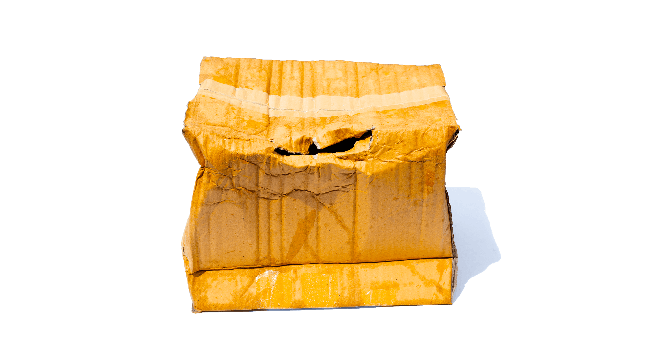
Damage to packages isn’t always obvious. While a crushed box is a clear sign of trouble, other issues can be more subtle. It’s helpful to know what to look for so you can identify problems right away. Various logistics companies handle packages differently, and the type of damage can sometimes point to where things went wrong.
Some of the most frequent types of shipping damage include:
- External Damage: This involves visible harm to the packaging, such as crushed corners, tears, punctures, or dents.
- Water Damage: Stains, discoloration, or a soft, damp feeling to the box indicate the package was exposed to moisture.
- Internal Damage: The item inside is broken, scratched, or malfunctioning, even if the outer box looks fine. This often points to inadequate packing.
Recognizing these common issues is crucial. Poor inventory management or transportation services can lead to these problems. A 3PL, which handles logistics services like warehousing and shipping, differs from a traditional carrier by managing a broader scope of the supply chain, not just the transportation. This integrated approach can sometimes offer better protection against damage.
Factors Contributing to Damaged Packages
Several factors can lead to a package arriving in less-than-perfect condition. The journey from the seller to you involves a long chain of events, and a weak link anywhere along the way can result in damage. Effective transportation management is key, but it’s not the only piece of the puzzle.
Here are some common contributors to shipping damage:
- Improper Packaging: The most common cause. Insufficient cushioning, a weak box, or not securing the item properly inside can lead to damage during transit.
- Poor Handling: Packages can be dropped, thrown, or stacked improperly by personnel at any point in the supply chain.
- Environmental Factors: Exposure to extreme temperatures, humidity, or rain can damage both the packaging and its contents.
- Transportation Issues: Bumps on the road, turbulence in the air, or shifting cargo can all cause items to break.
Effective supply chain risk management involves addressing these factors. When choosing a logistics partner, businesses should look for a provider that follows best practices in handling the movement of goods and has adequate, well-managed warehouse space to minimize these risks.
The Role of Supply Chain Logistics in Package Handling
Supply chain logistics is the intricate system responsible for getting a product from the warehouse into your hands. This process involves numerous logistics functions, from warehousing and inventory management to packing and final shipping. The goal is to achieve operational efficiency, ensuring your order is delivered quickly and safely. Supply chain management professionals work to optimize every step to prevent issues like damage.
Third-party logistics (3PL) providers are often at the heart of this system. They offer outsourced services that can include managing a company’s entire supply chain. These order fulfillment services encompass storing products, processing orders, and arranging transportation. When a 3PL is involved, they are responsible for the careful handling of your package.
Having good supply chain visibility is crucial. It allows companies to track a package’s journey and identify where problems, such as damage, might be occurring. This insight helps businesses and their logistics partners improve processes and ultimately provide a better experience for you, the customer.
Assessing the Condition of Your Delivered Package
Once your package arrives, don’t just set it aside. Taking a few moments to assess its condition immediately can save you a lot of trouble later. This initial check is a critical part of the order fulfillment process and is essential for protecting your rights as a consumer. Your quick action helps sellers improve their logistics operations and meet customer needs more effectively.
In the next sections, we will provide tips for a thorough visual inspection, explain how to spot signs of warehouse or shipping issues, and clarify when you should start documenting the damage to support a potential claim.
Visual Inspection Tips for Detecting Damage
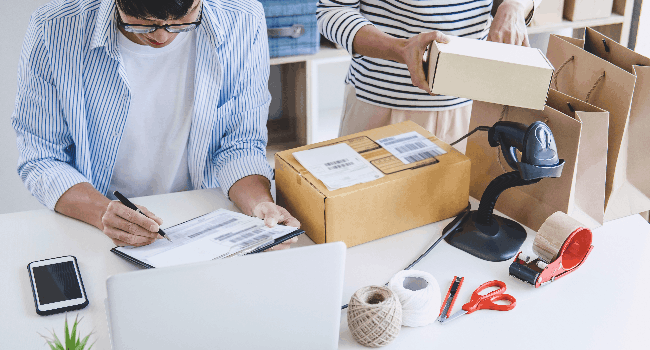
Before you even open the box, give it a thorough once-over. A careful visual inspection is your first line of defense in identifying shipping damage. Even minor external issues can indicate a bigger problem with the item inside. Following best practices for inspection can make a claim much smoother.
Look for these specific signs of trouble:
- Crushed corners or sides: This suggests the package was dropped or had heavy items stacked on it.
- Punctures or tears: A hole or rip in the box could mean the item inside was exposed or impacted.
- Resealed tape: If the original tape looks like it has been cut and replaced, the package may have been opened and inspected during transit, potentially leading to damage.
- Water stains or dampness: Any sign of moisture is a red flag that the contents could be water-damaged.
While using a 3PL can improve order processing and inventory management, risks like damage can still exist. However, a good 3PL provider with strong supply chain visibility can help minimize these occurrences. Documenting any of these visual cues is the first step toward resolution.
Recognizing Signs of Warehouse Shipping Issues
Sometimes, the damage to your package originates before it even leaves the warehouse. Issues during the fulfillment services stage, such as poor packing or mishandling, can set the stage for problems that become apparent upon final delivery. Recognizing these signs can help pinpoint where in the supply chain things went wrong.
Here are some indicators that the problem may have started at the warehouse:
- Inadequate packing materials: If your item is rattling around in a large box with little to no cushioning, the fault likely lies with the original packer.
- Incorrect labeling: A “Fragile” sticker on a beat-up box suggests handling instructions were ignored early in the process.
- Multiple items packed poorly: If you ordered several products and they were packed in a way that let them damage each other, it’s a warehouse issue.
- Signs of long-term storage damage: Dust, fading, or other wear on the product’s own packaging might mean it was stored improperly before shipping.
Many companies use service providers and warehouse management software to streamline this process, but errors can still happen. Effective supply chain risk management includes auditing these fulfillment processes. And yes, a specialized 3PL can definitely help with the complexities of international shipping, including proper packaging for long journeys.
When to Document Shipping Damage
The moment you suspect damage is the moment you should start documenting. Don’t wait. Procrastination can jeopardize your ability to file a successful claim. Whether the box is slightly dented or completely crushed, begin collecting evidence before you even open it. This proactive approach is crucial for a smooth claim process.
Document everything immediately upon receipt. If the delivery driver is still present, you can note the damage on the delivery receipt before they leave. This creates an instant record. If you discover the damage after they’ve gone, your documentation becomes even more important. Take photos of the package from all angles, focusing on the damaged areas.
This evidence is vital for any interactions with customer service, whether you’re dealing with the seller, the carrier, or a 3PL. It provides clear proof that the damage occurred during the supply chain operations and not after you received it. This documentation is the first step in the reverse logistics process if a return is necessary and will be essential when a 3PL handles the shipping damage claim.
Immediate Steps After Receiving a Damaged Package
Discovering your order is damaged is disheartening, but acting quickly and methodically is key. Your immediate actions can greatly influence the outcome of your claim and your overall customer satisfaction. The first priority is to preserve the evidence and notify the right people. Don’t throw anything away, including the box and all packing materials.
The following sections will guide you on how to properly photograph the damage for proof, determine who to contact first, and navigate the response you might get from a third-party logistics provider. These steps will help you manage the situation efficiently and get the resolution you deserve.
How to Take Photos and Proof for Claims
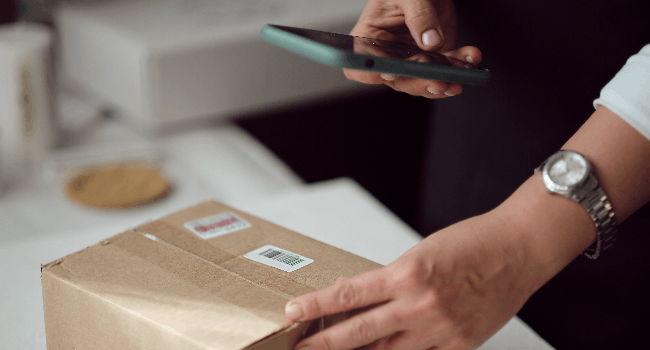
Clear and comprehensive photographic evidence is the cornerstone of a successful damage claim. Vague or blurry photos won’t be as effective. Your goal is to create a clear story that shows exactly what happened. Think of yourself as a detective documenting a scene. The more detailed your proof, the faster the claim process will be.
Follow these steps to create compelling proof:
- Photograph the unopened box: Take pictures of all six sides of the package, paying special attention to any dents, tears, or punctures.
- Capture the shipping label: Get a clear, readable shot of the shipping label, including the tracking number.
- Document the packing materials: Before removing the item, take photos of how it was packed inside the box. Show the cushioning (or lack thereof).
- Show the damaged item: Take multiple photos of the actual damage to the product from various angles and distances. Include both close-ups of the damage and wider shots showing the entire item.
This documentation is a critical part of supply chain management from the consumer’s end. It provides the necessary proof for the seller or their 3PL provider to process your claim and improve their own key performance indicators for customer satisfaction.
Who to Notify First – Seller, Carrier, or 3PL?
When your package arrives damaged, it can be confusing to know who to call. Should you contact the company you bought it from, the delivery service that dropped it off, or a 3PL if one was involved? The answer is almost always the same: start with the seller.
The seller, or the company you made the purchase from, is your primary point of contact. You have a contract with them, and they are ultimately responsible for getting the product to you in good condition. Their customer service department is equipped to handle these issues and will initiate the claim process on their end. They have established relationships with their shipping carriers and 3PL providers.
While the carrier or 3PL handled the physical logistics services, your relationship is with the seller. Contacting the carrier directly can sometimes complicate the process, as their contract is with the shipper (the seller), not with you. The seller acts as your single point of contact, managing the various logistics functions behind the scenes to resolve your issue.
Navigating Third Party Logistics Provider Response
If the seller uses a third-party logistics (3PL) provider for their order fulfillment services, that 3PL will likely be involved in handling your damage claim. While you will typically communicate through the seller, understanding the 3PL’s role can be helpful. These supply chain management professionals are responsible for investigating the claim and processing the return.
A 3PL will use your documentation to determine where in the supply chain the damage occurred. They have specific protocols for handling claims, which often involve inspecting the returned item and working with the shipping carrier. Their business model is built on providing efficient supply chain solutions, and handling returns and damages effectively is part of the service they offer to sellers.
A good 3PL provider sees claim resolution as a way to provide a competitive advantage to their clients. A smooth, hassle-free process reflects well on the seller and maintains customer loyalty. They will typically manage the entire reverse logistics process, from arranging a pickup of the damaged item to processing a replacement or refund, making it a seamless experience for you.
Filing a Claim for Shipping Damage
Once you’ve documented the damage and contacted the seller, the formal claim process begins. This procedure is designed to resolve the issue by providing a replacement, repair, or refund. It’s an important part of the reverse logistics system that is essential for good customer service. The thoroughness of your initial documentation will pay off at this stage.
Next, we’ll outline the specific information you’ll need to provide when filing a claim and compare the claim process when dealing with a traditional carrier versus a company that uses a 3PL.
Information to Provide When Filing a Claim
When you file a damage claim, providing complete and accurate information from the start is essential for a speedy resolution. The seller’s customer service team will need specific details to initiate their internal business processes and move the claim forward. Being prepared with this information demonstrates that you are organized and serious about the claim.
Be ready to provide the following details:
- Your order information: This includes the order number, your name, and the date of purchase.
- Tracking number: This helps the seller and their partners trace the package’s journey.
- Photographic evidence: Share the photos you took of the damaged box and product.
- A detailed description of the damage: Clearly explain what is wrong with the item and the packaging.
Providing this information upfront helps the seller’s supply chain management team quickly assess the situation. Whether they use sophisticated inventory management systems or simpler methods, this data is crucial for them to process your claim efficiently and ensure your customer satisfaction.
Claim Process Through Traditional Carriers vs. 3PL
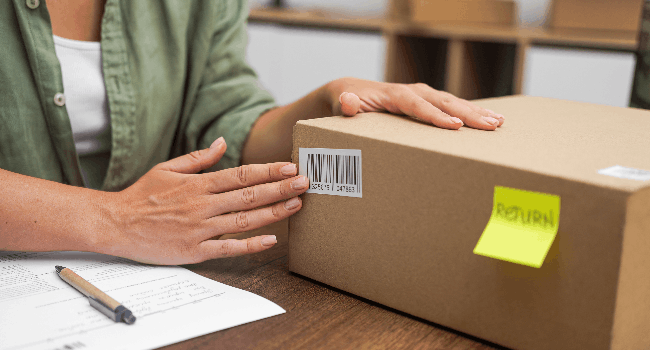
The claim process can vary depending on who handles the company’s shipping. A business might work directly with a traditional carrier like UPS or FedEx, or they may use a 3PL to manage their entire supply chain. While your first step is always to contact the seller, what happens behind the scenes will differ. A 3PL often provides a more streamlined, single-point-of-contact experience.
A 3PL differs from a traditional shipping company by offering a wider range of service options beyond just transport, including warehousing and order fulfillment. This integrated approach can simplify the claim process. For instance, a 3PL can immediately check inventory for a replacement, whereas a traditional carrier is only focused on the shipping aspect.
Here’s a comparison of the typical claim process:
Feature | Claim Process with Traditional Carrier | Claim Process with 3PL |
Initial Contact | You contact the seller, who then files a claim with the carrier. | You contact the seller, who works directly with their 3PL partner. |
Investigation | The carrier investigates the claim, which may take time and involve multiple departments. | The 3PL manages the entire investigation, coordinating with the carrier if needed. |
Resolution | Resolution (refund/replacement) is dependent on the carrier’s decision and timeline. | The 3PL can often process a replacement or refund more quickly from existing inventory. |
Communication | Communication can be fragmented between you, the seller, and the carrier. | The seller remains your single point of contact, with the 3PL handling backend logistics. |
Conclusion
In conclusion, receiving a damaged package can be frustrating, but knowing how to handle the situation can make all the difference. By assessing the condition of your delivery and promptly taking the necessary steps, you can streamline the process of filing claims and seeking resolutions. Remember to document any damage thoroughly and notify the appropriate parties quickly, whether it’s the seller, carrier, or third-party logistics provider. This proactive approach not only helps in resolving your current issue but also aids in improving future shipping experiences. If you have further questions or need personalized assistance, feel free to reach out for expert guidance.
Frequently Asked Questions
Can third party logistics providers assist with damaged package claims?
Yes, absolutely. A 3PL provider often manages the entire claim process on behalf of the seller. They handle the investigation, coordinate the return (reverse logistics), and process the replacement or refund, working to maintain customer satisfaction through efficient customer service and streamlined supply chain management.
What industries rely on 3PL for safe warehouse shipping?
A wide range of industries rely on 3PLs, but ecommerce businesses are among the largest users. Companies in electronics, apparel, health and beauty, and consumer goods partner with logistics companies for their fulfillment services. These partnerships ensure professional supply chain management for safe and efficient delivery to customers.

Haley serves as the Marketing Manager for Complete Quality Solutions. She joined CQS in 2023 with her prior experience gained with GXO and XPO Logistics.