Business Development
(224) 213-5119
General Information
(513) 776-1078

- By Haley
- April 23, 2026
Table of Contents
Key Highlights
Here’s a quick look at what we’ll cover in this guide to understanding logistics companies:
- Logistics companies manage key parts of the supply chain, such as warehousing, inventory management, and shipping.
- Partnering with these firms helps businesses reduce costs, improve efficiency, and enhance customer satisfaction.
- The core services offered include order fulfillment, freight management, and handling returns through reverse logistics.
- The fulfillment process involves receiving inventory, storing it, picking and packing orders, and shipping them to customers.
- Choosing the right partner involves evaluating their location, technology, and ability to scale with your business.
- While there are risks like data security, they can be managed with clear agreements and performance monitoring.
Introduction
In today’s fast-paced business world, managing your supply chain operations effectively is a must for success. This is where logistics companies, or third-party logistics (3PL) providers, come into play. They are a specialized service provider that handles various aspects of your logistics, from storing inventory to shipping orders. By outsourcing these tasks, you can focus on growing your business, knowing that the complex process of getting products to your customers is in expert hands. This guide will explore what these companies do and how they can benefit your business.
Understanding Logistics Companies
A logistics company specializes in managing parts of or the entire supply chain for other businesses. These logistics providers offer a range of logistics services designed to improve operational efficiency and customer service. By handling complex logistics functions, they enable companies to focus on their core activities like marketing and sales.
Third-party logistics, or 3PL, is a common model where businesses outsource their supply chain solutions. Understanding their role is the first step to leveraging their expertise. We’ll explore their core purpose, importance in modern supply chains, and how they differ from traditional providers.

Definition and Core Purpose of Logistics Companies
At its core, a logistics company, often called a third-party logistics (3PL) provider, is a business that manages various supply chain management tasks for other companies. Think of them as your outsourced logistics department. Their primary purpose is to handle the physical flow of goods, including inventory storage, order processing, and shipping.
What does 3PL mean in logistics? It stands for third-party logistics, where a business hands over its fulfillment and distribution needs to a specialized partner. These providers offer warehouse space and manage the entire process of picking products for customer orders and packing them for shipment.
The core competencies of logistics companies are built around providing efficient and cost-effective logistics services. They are staffed with professionals who use their expertise to streamline your operations, allowing you to focus on what you do best—growing your business.
Importance in Modern Supply Chains
In today’s global marketplace, logistics companies are more critical than ever. They are the backbone of modern supply chains, ensuring that products move seamlessly from manufacturers to consumers. Without their expertise, many businesses would struggle to meet customer demands for fast and reliable delivery.
One of the main benefits of using a 3PL provider is the significant competitive advantage it offers. By outsourcing logistics, you can achieve substantial cost savings. You don’t have to invest in your own warehouse, fleet, or logistics staff. This allows you to allocate resources to other crucial areas like product development and marketing.
Ultimately, the efficiency provided by a logistics partner directly impacts customer satisfaction. Faster shipping times, accurate orders, and smooth returns processes create a positive customer experience, which is essential for building a loyal customer base and driving repeat business. Their role in smooth supply chain operations is undeniable.
Differences Between 3PL and Traditional Logistics Providers
While the terms are sometimes used interchangeably, there are key differences between a third-party logistics (3PL) provider and a traditional logistics service provider, like a freight forwarder. A freight forwarder, for example, focuses solely on one aspect of the supply chain: moving goods from one point to another. They arrange the transportation but don’t typically handle warehousing or order fulfillment.
In contrast, a 3PL offers a much more comprehensive suite of fulfillment services. They are deeply integrated into a company’s supply chain management, handling everything from inventory storage to final delivery. This integrated approach allows for greater efficiency and control over the entire logistics process.
Here’s a quick comparison:
- Scope: Traditional providers handle specific tasks (e.g., shipping), while 3PLs manage multiple logistics functions.
- Integration: 3PLs integrate with your business systems for seamless order and inventory management.
- Services: 3PL companies offer a broader range of services, including warehousing, picking, packing, and returns.
- Relationship: The partnership with a 3PL is typically more strategic and long-term compared to transactional relationships with traditional providers.
Key Services Offered by Logistics Companies
Logistics companies offer a wide array of logistics services to streamline the entire supply chain management process. From the moment an order is placed to the final delivery, these providers handle the critical steps that ensure customer orders are fulfilled accurately and on time. Their services are designed to manage everything from inventory to returns.
Key offerings include inventory and warehouse management, order fulfillment, freight transportation, and even reverse logistics for handling returns. By providing these comprehensive services, they help businesses scale efficiently and improve the overall customer experience. Let’s look at some of these core services in more detail.
Inventory Management and Storage Solutions
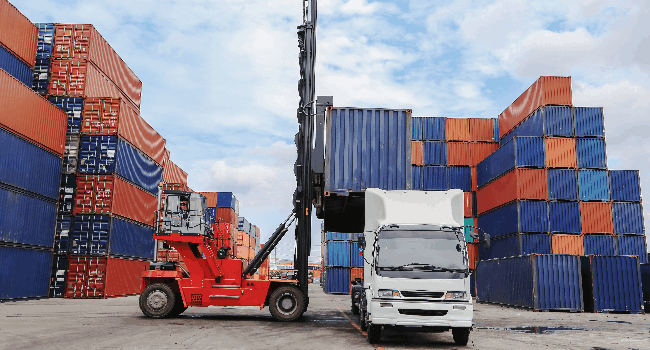
Effective inventory management is crucial for any business, and logistics companies excel at it. They provide secure warehouse space, freeing you from the cost and complexity of maintaining your own storage facilities. Their role in warehousing is central to 3PL logistics, as they ensure your products are stored safely and organized for quick retrieval.
Using advanced warehouse management software, these companies monitor inventory levels in real time. This system helps prevent stockouts and overstocking, ensuring you have the right amount of product on hand to meet demand. This level of control over inventory warehousing is vital for maintaining healthy profit margins and avoiding lost sales.
The provider’s team receives your products, inspects them, and assigns them to specific locations within their storage facilities. This systematic approach, powered by a sophisticated warehouse management system, makes the entire process incredibly efficient, from receiving goods to shipping them out.
Order Fulfillment and Distribution
Once a customer places an order, the order fulfillment process kicks into high gear. This is a core service offered by logistics providers. The order data is transmitted from your sales channel, like a Shopify store, directly to the 3PL’s fulfillment center. This triggers the picking and packing process.
Warehouse staff then locate the items for the order, pack them according to your specifications, and prepare them for shipment. This entire order processing workflow is designed for speed and accuracy, ensuring a high level of customer service. How does warehousing logistics support supply chains? By acting as the central hub for this activity.
After packing, the package is labeled and handed off to a shipping carrier for distribution. The provider’s fulfillment services ensure that orders are sent out quickly, helping you meet customer expectations for fast delivery. This seamless process is what makes outsourcing fulfillment so appealing for growing businesses.
Freight Management and Transportation
Getting your products from point A to point B is a complex task, but logistics companies simplify it with their freight management and transportation services. They handle everything from coordinating with carriers to negotiating shipping rates, ensuring your goods are moved efficiently and cost-effectively. This can include land, ocean, or air transport, depending on your needs.
Many 3PLs also offer freight brokerage services, where they act as an intermediary between your business and transportation companies. They leverage their network and volume to secure better rates than you could likely get on your own. This is a key part of the supply chain solutions they provide.
These logistics operations are managed to optimize routes and ensure timely deliveries. Whether you’re shipping products to a retail store or directly to a customer, their expertise in transportation ensures your supply chain keeps moving without a hitch.
Returns Processing and Reverse Logistics
Handling returns is an unavoidable part of doing business, especially in e-commerce. Logistics companies offer reverse logistics services to manage this process efficiently. When a customer returns a product, it is sent back to the provider’s warehouse, where it is inspected and processed.
This returns processing service is crucial for maintaining customer satisfaction. A smooth and easy return experience can turn a potentially negative situation into a positive one, encouraging customers to shop with you again. The logistics provider handles all the steps, from receiving the returned item to restocking it if it’s in sellable condition.
The key logistics functions involved in reverse logistics include:
- Receiving and inspecting returned items for damage.
- Processing refunds or exchanges for the customer.
- Restocking sellable products back into inventory.
- Disposing of or recycling damaged goods according to regulations. This comprehensive approach helps protect your bottom line and keeps your supply chain running smoothly.
How Third Party Logistics (3PL) Companies Operate
Third-party logistics (3PL) companies operate through a highly organized and technology-driven process. From the moment your inventory arrives at their warehouse to the final delivery, every step is carefully managed to ensure efficiency and accuracy. This streamlined workflow is what makes the 3PL business model so effective for businesses of all sizes.
The entire fulfillment process starts with inbound receiving and moves through warehouse management, picking, packing, and shipping. Understanding how third-party logistics companies operate can help you see the value they bring to your logistics operations. Let’s break down the key stages of their process.
Inbound Receiving and Inventory Handling
The 3PL process begins with inbound receiving, when your products arrive at the warehouse. The receiving team carefully unloads the shipment, verifies the items against your purchase order, and inspects everything for damage. This step is critical for ensuring that only quality products enter your inventory.
Once received, your products are entered into the warehouse management system (WMS). This powerful software is the brain of the operation, tracking every item from the moment it arrives. The role of warehousing in 3PL logistics is defined by this systematic control. Items are then put away into designated storage space within the warehouse.
This organized approach to inventory management systems ensures that your products are easy to locate when an order comes in. Fast-moving items are often stored in more accessible locations to speed up the picking process, optimizing the entire supply chain management workflow from the very beginning.
Picking, Packing, and Shipping Processes
When a customer places an order, the order fulfillment process is initiated. The order data is sent to the 3PL’s system, which generates a picking list for the warehouse team. A “picker” then retrieves the specified items from their storage locations. Accuracy is key, so items are often scanned to verify they are correct.
Next, the items are taken to a packing station. Here, they are carefully packed into boxes with appropriate dunnage to prevent damage during transit. The logistics provider applies a shipping label, and the package is ready to go. This part of the fulfillment process is crucial for ensuring products arrive safely.
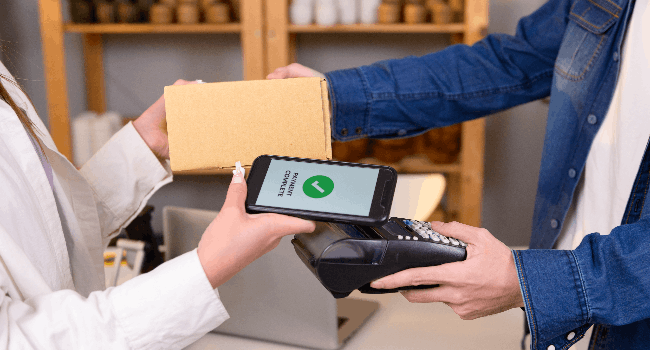
Finally, the package is handed off to a shipping carrier. 3PLs have relationships with major carriers and can often secure better shipping rates and faster shipping speed due to their high volume. Tracking information is sent to you and your customer, providing visibility until the package reaches its final destination, ensuring quick delivery times.
Last-Mile Delivery Solutions
Last-mile delivery is the final and most critical step in the shipping process—getting the package from the distribution center to the customer’s doorstep. This stage heavily influences the customer experience, as delivery times and package condition are top priorities for consumers. Logistics companies offer specialized last-mile delivery solutions to ensure this final step is successful.
These distribution services are designed to provide a better customer experience by offering speed, reliability, and transparency. A key benefit of using a 3PL provider is their ability to optimize this final leg of the journey, using their network and technology to find the most efficient routes.
Effective last-mile logistics solutions often include:
- Real-time tracking for customers.
- Multiple delivery options (e.g., standard, expedited).
- Route optimization software to reduce delivery times.
- Partnerships with local and national carriers to expand reach. By focusing on this crucial stage, 3PLs help businesses meet and exceed customer expectations.
Real-World Examples of Logistics Companies
To better understand how these companies work, it helps to look at some real-world examples. Leading logistics companies in the United States and around the world operate a vast network of fulfillment centers, offering specialized industry expertise to businesses of all sizes. These providers are masters of supply chain operations.
From global giants to specialized e-commerce partners, these firms demonstrate the power of outsourced logistics. We’ll explore some of the top 3PL companies, look at a case study of a successful integration, and discuss providers that cater specifically to the booming e-commerce market.
Leading 3PL Companies in the United States
The United States is home to many reputable third-party logistics (3PL) companies that provide comprehensive supply chain management services. These firms range from global giants with massive networks to more specialized providers that cater to specific industries. Choosing the right service provider often depends on your business’s unique needs.
For instance, companies like FedEx Supply Chain and UPS Supply Chain Solutions are well-known examples that offer end-to-end logistics, including warehousing, transportation, and order fulfillment. They operate a vast network of fulfillment centers, allowing businesses to store inventory closer to their customers for faster shipping.
Finding reputable 3PL companies near you is easier when you know the key players. Here are some of the leading logistics companies in the U.S.:
Company Name | Key Services |
FedEx Supply Chain | Warehousing, transportation, e-commerce fulfillment |
UPS Supply Chain Solutions | Global logistics, freight management, customs brokerage |
XPO Logistics | Freight brokerage, last-mile delivery, contract logistics |
DHL Supply Chain | Warehousing, distribution, supply chain consulting |
Case Study: Successful 3PL Integrations
Consider a small e-commerce business that makes handmade candles. Initially, the owner handled all logistics operations from home but struggled to keep up as orders grew. Fulfillment was taking up too much time, pulling focus away from product development and marketing. This is a common challenge for growing brands.
The business decided to partner with a 3PL that specializes in services for small businesses. The 3PL integrated with the company’s online store, automating the entire process. When a customer placed an order, the information was sent directly to the 3PL’s warehouse, where the order was picked, packed, and shipped.
This integration transformed the business. The owner was able to focus on creating new products and growing the brand, while the 3PL handled the complexities of the e-commerce logistics processes. The result was faster shipping, fewer errors, and a significant improvement in customer satisfaction, leading to business growth.
Specialized Logistics Providers for E-commerce
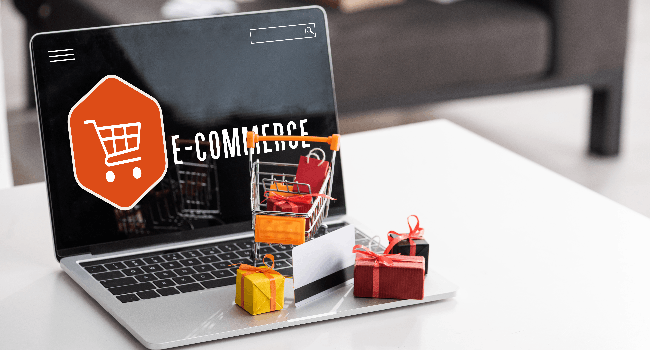
The rapid growth of online shopping has led to the rise of specialized logistics providers that cater specifically to e-commerce businesses. These companies understand the unique demands of selling online, such as the need for fast fulfillment services and seamless integration with various sales channels.
These e-commerce-focused 3PLs offer solutions tailored to the digital marketplace. For example, Fulfillment by Amazon (FBA) is a well-known service that allows sellers on the Amazon platform to use Amazon’s vast warehouse network for storage and shipping. This simplifies e-commerce logistics processes for millions of sellers.
Beyond Amazon, many other providers focus exclusively on e-commerce. Their services often include:
- Direct integration with popular e-commerce platforms like Shopify and WooCommerce.
- Customized packaging options to enhance the brand experience.
- Advanced warehouse management technology for real-time inventory tracking.
- Expertise in handling the high volume and fast turnaround times typical of online retail.
Choosing the Right Logistics Partner
Selecting the right logistics provider is a critical decision that can significantly impact your business. The ideal partner will offer logistics solutions that align with your specific needs, from warehouse space and location to technology and scalability. It’s not just about finding a service provider; it’s about finding a strategic partner.
When you start your search, you’ll need to consider several factors to ensure you make the best choice. Let’s examine what to look for when selecting a 3PL, how to evaluate their warehouse operations, and how to compare different service models like 3PL and 4PL.

Factors to Consider for Third Party Logistics Selection
When choosing a third-party logistics (3PL) provider, it’s important to look beyond the price tag. While cost savings are a major benefit, the right partner offers much more. You should evaluate their technology, scalability, and industry experience to ensure they are a good fit for your business.
A key factor is the provider’s warehouse management software. Can it integrate seamlessly with your e-commerce platform? Does it provide real-time visibility into your inventory and order status? Strong technology is the foundation of efficient warehouse operations. You should also establish key performance indicators (KPIs) to monitor their service levels.
Here are some important factors to consider:
- Scalability: Can the service provider handle your business’s growth and seasonal demand spikes?
- Location: Are their warehouses strategically located to reach your customer base quickly and affordably?
- Experience: Do they have experience with products similar to yours?
- Pricing: Is their pricing transparent, without hidden fees? Look for clear, itemized quotes for all logistics solutions.
Evaluating Warehouse Operations and Locations
A 3PL’s warehouse operations are the heart of their service, so it’s essential to evaluate them thoroughly. The physical location of their warehouse space is one of the first things to consider. A provider with fulfillment centers close to your key customer markets can help you reduce shipping costs and delivery times significantly. Ask for a transit map to see their reach.
Beyond location, look at how the warehouse is managed. Is it clean, organized, and secure? An orderly warehouse is a sign of efficient logistics operations. The warehouse management system (WMS) they use is also crucial. A modern WMS provides real-time data on inventory levels, which helps you make smarter restocking decisions and prevent stockouts.
When you visit or inquire about their storage facilities, ask about their processes for receiving, storing, and picking inventory. How do they ensure accuracy? What are their security measures? A well-run warehouse is fundamental to a successful partnership and ensures your products are handled with care.
Comparing 3PL vs. 4PL Solutions
As you explore logistics options, you’ll likely encounter the terms 3PL and 4PL. While they sound similar, they represent different business models. A 3PL (third-party logistics) provider directly manages logistics functions like warehousing and shipping. They own or lease the assets, like warehouses and trucks, to provide their services.
A 4PL (fourth-party logistics) provider, on the other hand, acts as an orchestrator. They don’t typically own physical assets. Instead, a 4PL manages the entire supply chain, including hiring and overseeing multiple 3PLs, on behalf of a client. They offer a single point of contact for all logistics needs.
Here are some key differences:
- Asset Ownership: 3PLs are often asset-based, while 4PLs are non-asset-based.
- Scope: A 3PL handles specific logistics functions, whereas a 4PL manages the entire supply chain strategy.
- Relationship: 4PLs offer a higher level of integration and strategic partnership.
- Technology: 4PLs often leverage advanced technologies to optimize the entire network of providers. The choice between 3PL and 4PL depends on the complexity of your supply chain management needs.
Risks and Challenges Associated with Third Party Logistics
While partnering with a third-party logistics provider offers many benefits, it’s also important to be aware of the potential risks and challenges. Handing over critical logistics operations to an external partner can introduce operational risks if not managed carefully. Issues can range from a loss of direct control to concerns about data security.
To ensure a successful partnership, you need to understand these challenges and have a plan to mitigate them. We’ll discuss issues related to data security, maintaining quality control, and strategies for reducing operational risks in your supply chain management.
Data Security and Confidentiality Issues
When you partner with a 3PL, you are sharing sensitive business information, including customer data, sales figures, and inventory details. This makes data security and confidentiality a major concern. It’s crucial to ensure that your logistics provider has robust security measures in place to protect this information.
A data breach could have serious consequences, from financial loss to damage to your brand’s reputation. Your provider’s software systems, including their warehouse management software, should be secure and comply with data protection regulations like GDPR. Failure to protect data can endanger your company’s confidential information.
Before signing a contract, be sure to:
- Ask about their data security protocols and certifications.
- Clarify how they handle and store sensitive information.
- Ensure the contract includes clauses on confidentiality and data protection.
- Verify that their security measures for all supply chain operations are continuously updated.

Maintaining Quality and Control
One of the biggest challenges of outsourcing is the potential loss of direct control over your logistics operations. You are trusting another company to represent your brand, and any mistakes they make can reflect poorly on you. This makes maintaining quality control essential for customer satisfaction.
To manage this, it’s important to establish a strong partnership with your 3PL. This includes setting clear expectations and key performance indicators (KPIs) to monitor their performance. Regular communication and performance reviews can help you stay aligned and address any issues before they impact your customer service.
A reliable 3PL will be transparent about their performance and work with you to meet your standards. While you are outsourcing the tasks, you should not give up oversight. A proactive approach to managing the relationship is key to ensuring that the quality of your supply chain management remains high.
Mitigating Operational Risks
Engaging with a 3PL introduces new operational risks into your supply chain. For example, disruptions at your provider’s fulfillment center, such as a labor strike or natural disaster, could halt your entire operation. Relying on a single provider for critical functions creates a vulnerability that needs to be managed.
To mitigate these risks, it’s important to build a resilient supply chain. This starts with choosing a reliable partner with a proven track record and contingency plans. Advanced technologies can also play a role in risk management, providing greater visibility and control over your logistics operations.
Here are some strategies for mitigating operational risks:
- Due Diligence: Thoroughly vet potential partners before signing a contract.
- Contingency Planning: Work with your 3PL to develop a backup plan for potential disruptions.
- Clear Contracts: Have a detailed service-level agreement (SLA) that outlines responsibilities and performance expectations.
- Diversification: For larger operations, consider using multiple providers or a provider with a distributed network to avoid a single point of failure.
Conclusion
In conclusion, understanding logistics companies is crucial for businesses looking to streamline their supply chains and enhance operational efficiency. From inventory management to last-mile delivery, these providers play a vital role in ensuring that goods move smoothly from point A to point B. By carefully selecting the right logistics partner, you can mitigate risks, maintain quality control, and ultimately drive your business’s success. If you’re ready to take the next step in optimizing your logistics operations, reach out for a free consultation today and discover how we can help you navigate the complexities of logistics management.
Frequently Asked Questions
What is the difference between 3PL and 4PL in logistics?
A 3PL (third-party logistics) provider manages specific logistics functions like warehousing and shipping, often using their own assets. A 4PL (fourth-party logistics) provider is a strategic partner that manages the entire supply chain, including coordinating multiple 3PLs. The 4PL business model focuses on optimization and oversight.
How does warehousing logistics support supply chains?
Warehousing logistics supports supply chains by providing a central hub for inventory management and order fulfillment. Effective warehouse management ensures products are stored safely, tracked accurately, and are ready for quick dispatch. This improves the efficiency and reliability of all downstream logistics operations and logistics services.
What types of businesses typically use third party logistics services?
All types of businesses use 3PL fulfillment services, but they are especially popular with e-commerce businesses that need to scale quickly. From small online shops to large retail brands, any company looking to improve its supply chain management and expand its customer base can benefit from partnering with a logistics provider.

Haley serves as the Marketing Manager for Complete Quality Solutions. She joined CQS in 2023 with her prior experience gained with GXO and XPO Logistics.