Complete Quality Solutions

The Growing Demand for Repackaging Services in 2025

Table of Contents

Key Highlights

Here’s a quick look at what’s driving the need for repackaging services in 2025:

Introduction

In today’s fast-moving business world, having an efficient supply chain is more important than ever. As ecommerce fulfillment continues to expand, companies are looking for innovative logistics services to keep up with customer expectations. One of the most significant trends is the growing demand for repackaging. This service is changing how businesses prepare products for shipment, offering flexibility and customization that traditional methods can’t match. Are you prepared for this shift in logistics?

Understanding Repackaging Services and Their Role in Logistics

Repackaging services are becoming a cornerstone of modern logistics. They involve altering a product’s original packaging to better suit the needs of the consumer or the next stage of the supply chain. This could mean anything from creating gift sets to preparing items for individual sale.

By integrating these services into the order fulfillment process, companies can respond quickly to market trends and customer preferences. It’s a powerful way to add value and streamline your operations. Let’s explore what these services entail and how they differ from standard packaging.

CQS prides itself on being more than just a vendor; they act as a strategic partner. By supplying a productive, safe, and managed workforce, they help businesses across the country run more efficient and profitable supply chains. Their core mission is to deliver value through customized solutions.

Understanding Repackaging Services and Their Role in Logistics

What Are Repackaging Services?

So, what exactly are repackaging services? Think of them as any activity that modifies a product’s packaging after it leaves the manufacturer but before it reaches the final customer. This is often handled by a third-party logistics (3PL) provider as part of their broader order fulfillment offerings. It’s about taking a standard product and giving it a new look or configuration.

These services can include kitting (grouping multiple items into one package), assembly, applying special labeling, or creating custom packaging for promotions. For example, a 3PL might combine a shampoo, conditioner, and hair mask into a single “hair care” bundle for a holiday sale. This process is a key part of modern supply chain operations.

Ultimately, repackaging allows you to be more agile with your inventory management. Instead of holding pre-packaged bundles, you can store individual items and create kits on demand. This flexibility helps you respond to sales trends without risking overstock on specific product combinations.

When you partner with CQS, you get more than a simple service provider. You gain a partner invested in your success. They focus on delivering consistency and value through customized labor solutions, flexible pricing, and end-to-end account management, demonstrating deep industry expertise.

Yes, CQS is also a third-party logistics (3PL) company. Their 3PL offerings are designed to be adaptable, providing a strong foundation for business growth. They serve a diverse range of industries, including Automotive, Food & Beverage, Healthcare, Retail, and Reverse Logistics, showcasing their versatility.

How Repackaging Differs from Traditional Packaging

Repackaging services stand in contrast to traditional packaging, which is typically done at the manufacturing source. Traditional packaging is designed for bulk shipment and protection during transit from the factory to a distribution center. It’s uniform, standardized, and focused on efficiency in mass production.

On the other hand, repackaging happens further down the supply chain, often within a fulfillment center. Its purpose is to prepare products for the end consumer. This means the focus shifts from bulk protection to presentation, customization, and meeting specific order requirements. The packing materials and processes used are often tailored to individual customer orders.

Here’s a simple breakdown of the key differences:

  • Purpose: Traditional packaging is for bulk transport; repackaging is for final sale and customization.
  • Timing: Traditional packaging happens at the source; repackaging occurs during logistics operations.
  • Flexibility: Traditional is standardized; repackaging is highly flexible and adaptable.
  • Focus: Traditional focuses on product protection; repackaging focuses on customer experience.

Common Industries Utilizing Repackaging in 2025

The need for flexible supply chain management means many industries are turning to repackaging. As we look toward 2025, ecommerce retailers are at the top of the list. They use repackaging to create unique product bundles, manage returns, and provide a branded unboxing experience for customer orders.

Seasonal businesses also rely heavily on these services. A candy company, for instance, might need special gift boxes for Valentine’s Day or Halloween. Repackaging allows them to adapt their standard products for these peak seasons without overhauling their primary production lines. This helps optimize inventory storage and avoid long-term commitment to seasonal packaging.

Here are a few key industries that benefit from repackaging:

  • Ecommerce and Retail: For creating bundles and custom-branded packaging.
  • Food and Beverage: For creating variety packs or promotional displays.
  • Cosmetics and Beauty: For gift sets, subscription boxes, and sample kits.
  • Electronics: For bundling accessories with main products.

The Connection Between Repackaging Services and Third-Party Logistics (3PL)

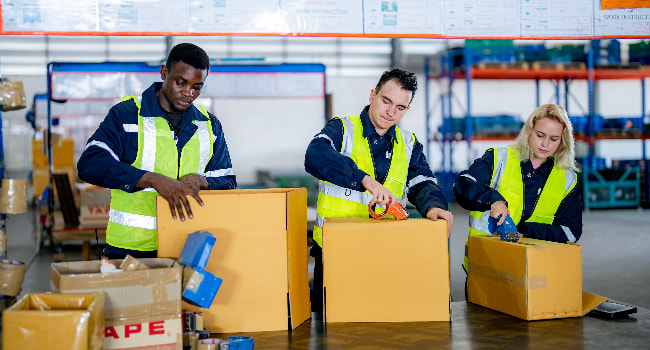
Repackaging services and third-party logistics (3PL) providers go hand in hand. Most businesses don’t have the resources or expertise to handle complex repackaging in-house. This is where a 3PL partner becomes invaluable, integrating these tasks directly into the supply chain.

By outsourcing to a 3PL, you gain access to specialized equipment, trained staff, and efficient workflows designed for these exact fulfillment solutions. This connection allows you to offer customization at scale without the massive upfront investment. Next, we’ll examine how repackaging fits into 3PL operations and define some key terms.
The Connection Between Repackaging Services and Third-Party Logistics (3PL)

How Repackaging Fits into 3PL Operations

A third-party logistics (3PL) provider manages various aspects of your supply chain, from warehousing to shipping. Repackaging services are a type of value-added service that a 3PL offers within its warehouse management operations. When an order requires kitting, bundling, or special labeling, the 3PL’s team performs these tasks before the final pack-out and shipment.

This integration is seamless. Your 3PL receives your bulk products, stores them, and then, based on your instructions or incoming orders, transforms them into the final shippable format. This process is not just for outgoing orders; it’s also crucial for reverse logistics. When a customer returns an item, a 3PL can inspect it, replace damaged packaging, and restock it, making it ready for resale.

By embedding repackaging into their workflow, 3PLs help you achieve significant cost savings. You avoid the expense of shipping products back and forth between different facilities for packaging modifications. Everything happens under one roof, creating a more efficient and cost-effective supply chain.

Key Terminology: 3PL, Repack, Pick and Pack

To better understand the landscape, let’s clarify a few common terms used by logistics providers. These concepts are fundamental to modern order fulfillment and supply chain management.

First, “3PL” stands for third-party logistics. This refers to a company you hire to outsource part or all of your distribution and fulfillment processes. They handle everything from storing your inventory to shipping it to your customers. Next, “repack” is short for repackaging, which covers all the value-added services we’ve discussed, like kitting, bundling, and relabeling.

Finally, “pick and pack” is a core part of the order fulfillment process. It describes the steps of retrieving the correct items (“picking”) from the warehouse shelves for an order and placing them in the appropriate shipping box (“packing”).

  • 3PL: An outsourced partner for logistics and supply chain management.
  • Repack: The process of altering product packaging (e.g., kitting, bundling).
  • Pick and Pack: The process of fulfilling a customer order from inventory.

Comparing Repackaging to 1PL, 2PL, and Other Logistics Solutions

The logistics world is often categorized by “parties” (PLs), which describe the level of outsourcing. Understanding these levels helps you see where repackaging and 3PL services fit in. Each level offers a different degree of control and responsibility.

A 1PL (First-Party Logistics) model is when a company handles its entire supply chain in-house. A 2PL (Second-Party Logistics) involves outsourcing a specific function, like hiring a freight company to handle transportation. A 3PL (Third-Party Logistics) provider, as we’ve discussed, manages multiple logistics solutions, including warehousing, fulfillment, and value-added services like repackaging.

Partnering with a 3PL for services like repackaging offers a significant competitive advantage. It allows you to leverage expert infrastructure without building it yourself, giving you the flexibility to focus on product development and marketing.

Logistics ModelDescriptionExample
1PLThe company manages its own logistics entirely in-house.A small artisan who ships products from their own workshop.
2PLThe company outsources a single logistics function, usually transportation.A manufacturer hiring a trucking company to move goods.
3PLThe company outsources a range of logistics services to an integrated provider.An ecommerce brand using a partner for warehousing, fulfillment, and repackaging.

Drivers of Growing Demand for Repackaging Services

What’s fueling the surge in demand for repackaging? The primary drivers are the explosive growth of ecommerce and evolving consumer expectations. Customers today want more than just a product; they want a personalized and convenient customer experience. This puts pressure on businesses to adapt their supply chain management.

As order volumes climb, the need for efficient and flexible ecommerce fulfillment becomes critical. Repackaging services provide the agility required to handle everything from promotional kitting to custom gift wrapping at scale. Let’s explore these drivers in more detail.

Drivers of Growing Demand for Repackaging Services

E-commerce Expansion and Consumer Expectations

The rapid expansion of ecommerce businesses has completely changed the retail landscape. With more sales channels available than ever, from brand websites to marketplaces like Amazon and TikTok Shop, companies face increasing complexity in their supply chain. Managing inventory and fulfillment across these platforms is a major challenge.

At the same time, customer expectations are at an all-time high. Shoppers demand fast, free shipping and a seamless unboxing experience. This is where order fulfillment becomes a key differentiator. A plain brown box is no longer enough; custom branding, eco-friendly packaging, and personalized inserts all contribute to customer satisfaction.

Handling these demands in-house requires significant investment in space, technology, and staff. This is why many ecommerce businesses choose to partner with a 3PL. Outsourcing allows them to deliver a top-tier customer experience and scale quickly without the operational headaches of managing their own fulfillment.

Market Trends Shaping Repack Operations

Several key market trends are directly influencing how repackaging services are used. One of the biggest is the rise of subscription boxes. This business model relies almost entirely on kitting and custom packaging, making repackaging an essential part of the ecommerce fulfillment process.

Another trend is the desire for personalization. Consumers love products that feel unique to them, whether it’s an engraved item or a curated gift set. Logistics providers offer fulfillment solutions that can accommodate these custom requests, adding a personal touch at the final stage of the supply chain. Seasonal promotions also continue to be a major driver, requiring businesses to create special bundles for holidays and events.

These trends highlight the need for an agile business model.

  • Subscription Boxes: Require monthly kitting and assembly.
  • Personalization: Demands custom labeling, packaging, and inserts.
  • Seasonal Promotions: Drive the need for temporary product bundles and gift sets.
  • Global Expansion: Requires region-specific labeling and packaging compliance.

Changes in Regulatory Compliance and Packaging Standards

Navigating the web of regulatory compliance and packaging standards is another reason businesses are turning to specialized partners. Different countries and even states have unique rules about what information must be on a label, what packing materials are allowed, and how products must be presented.

For example, expanding into a new international market might require relabeling every product to include local language and compliance information. Handling this in-house can be a logistical nightmare, prone to errors that could halt your supply chain. An experienced 3PL partner stays up-to-date with these regulations and can ensure your packaging is compliant.

This is where a 3PL’s expertise in logistics operations provides immense value. They implement quality control checks to ensure order accuracy and adherence to all packaging standards, reducing the risk of costly fines or shipment delays. This lets you focus on growth while they manage the complexities of compliance.

Types of Repackaging Services Offered by 3PL Providers

So, what specific repackaging services can you expect from 3PL providers? These logistics services go far beyond simply putting items in a box. They are designed to add value, improve presentation, and optimize your inventory from the moment it enters warehouse storage.

From breaking down large shipments into individual units to creating eye-catching promotional bundles, these offerings provide the flexibility modern businesses need. Let’s look at some of the most common types of repackaging that can transform your fulfillment process.

Bulk Breakdowns & Product Consolidation

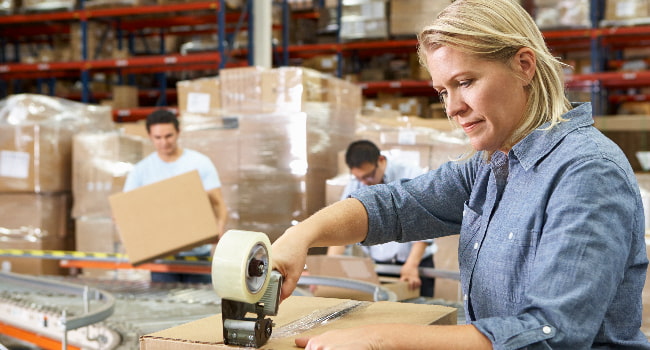
A fundamental repackaging service is the “bulk breakdown.” Manufacturers often ship products in large master cartons to save on shipping and handling costs. However, these products usually need to be sold individually. A 3PL provider will receive these bulk shipments, unbox them, and prepare the individual items for storage on their warehouse shelves.

This process is crucial for efficient inventory management. By breaking down bulk inventory into sellable units, the 3PL can accurately track stock levels and prepare for picking. It also optimizes warehouse space, as individual items can be stored more densely than bulky cartons. This is a key step in streamlining supply chain operations.

Product consolidation is the opposite process. If you source products from multiple suppliers, a 3PL can receive these separate shipments and consolidate them. They can then be kitted into a single new product or stored together for easier fulfillment, simplifying your overall logistics.
Bulk Breakdowns & Product Consolidation

Promotional Bundles and Kitting Solutions

Creating promotional bundles is one of the most popular uses of repackaging. Kitting solutions involve taking multiple separate SKUs and combining them into a single new unit. This is perfect for “buy one, get one” deals, gift sets, or creating value packs that entice customers to purchase more.

How does it work? Your 3PL uses its inventory management systems to track the individual components. When an order for a bundle comes in, their team assembles the kit on-demand. This “postponement” strategy is incredibly efficient, as you don’t have to pre-assemble bundles that might not sell, tying up valuable inventory in your supply chain.

This approach gives you tremendous flexibility in your marketing efforts. You can quickly launch new promotions without disrupting your core shipping process.

  • Gift Sets: Combining complementary products for holidays or special occasions.
  • Subscription Boxes: Assembling curated items for monthly shipment.
  • Value Packs: Bundling multiple units of the same product at a discount.
  • Welcome Kits: Creating packages with introductory products for new customers.

Value-Added Services: Relabeling, Refilling, and Customization

Beyond kitting, 3PLs offer a range of other value-added services that fall under the repackaging umbrella. Relabeling is a common one, used for rebranding products, adding barcodes for easier scanning, or updating packaging to meet new regulatory requirements. This simple service can be critical for market expansion.

Customization is another powerful service that enhances the customer experience. This can include adding personalized notes, gift wrapping, or applying custom-branded stickers to packages. These small touches make the unboxing experience memorable and can significantly boost customer loyalty and positive reviews, acting as an extension of your customer service.

These value-added services are integrated directly into the order fulfillment workflow. Whether it’s refilling a reusable container or adding a custom label, your 3PL partner can handle these tasks efficiently, ensuring that every order goes out looking perfect without delaying shipment.

Benefits of Outsourcing Repackaging to Third-Party Logistics Providers

Why should you outsource repackaging instead of trying to do it yourself? The benefits are significant, touching everything from your budget to your ability to serve customers. The most immediate advantages are cost savings and a major boost in operational efficiency.

By partnering with a 3PL, you tap into their expertise and infrastructure, allowing your team to focus on what they do best—growing your business. This strategic move can streamline your entire supply chain operations and give you a powerful competitive edge. Let’s dive into the key benefits you can expect.

Cost Reduction and Efficiency Gains

One of the primary benefits of outsourcing is significant cost reduction. Building your own repackaging capabilities requires a massive investment in warehouse space, equipment, and specialized labor. A 3PL partner already has this infrastructure in place, allowing you to benefit from their economies of scale without the upfront capital expenditure.

This leads to greater efficiency in your supply chain management. 3PLs are experts in logistics. Their teams are trained, and their workflows are optimized for speed and accuracy in order processing. This means your kitting, bundling, and other repackaging tasks are completed faster and with fewer errors than you could likely achieve in-house, leading to better cost control.

Here’s how you save:

  • No Capital Investment: Avoid spending on warehouses, technology, and equipment.
  • Lower Labor Costs: Pay only for the services you use, avoiding the costs of full-time staff.
  • Reduced Shipping Costs: 3PLs negotiate bulk rates with carriers.
  • Optimized Processes: Benefit from expert workflows that minimize waste and errors.

 

Cost Reduction and Efficiency Gains

Enhanced Flexibility and Scalability in Operations

As your business grows, your logistics needs will change. Outsourcing to a 3PL provides the flexibility and scalability to adapt seamlessly. Whether you’re experiencing a sudden spike in orders during the holidays or launching a new product line, a 3PL can scale its operations up or down to meet your demand.

This scalability is difficult and expensive to achieve with an in-house model. You would need to hire temporary staff or invest in more warehouse space that might sit empty during slower periods. A 3PL’s shared-resource model means you can adjust your usage as needed, ensuring your inventory levels are managed efficiently through their warehouse management system.

This allows you to focus on your core competencies, such as product development, marketing, and customer engagement. Instead of getting bogged down in the complexities of logistics, you can concentrate on activities that directly drive revenue and growth, knowing your operations are in expert hands.

Access to Expertise and Specialized Technology

When you partner with a 3PL, you’re not just renting space; you’re gaining access to years of industry expertise and cutting-edge technology. Logistics companies live and breathe supply chain management. They understand the best practices for everything from inventory layout to packing techniques, ensuring your products are handled with care and efficiency.

These providers invest heavily in specialized technology, including advanced warehouse and transportation management software. This technology provides you with real-time visibility into your inventory, order status, and shipping. You can track key performance indicators (KPIs) like order accuracy and on-time delivery, giving you the data needed to make informed business decisions.

For most businesses, acquiring and maintaining this level of technology on their own is prohibitively expensive. By leveraging the technological capabilities of your 3PL partner, you can compete with larger companies and provide a superior customer experience without the massive investment.

Understanding Pick and Pack Operations in 3PL

The pick and pack process is the heart of ecommerce fulfillment. It’s the physical act of taking items off the shelf and preparing them for shipment to your customers. In a 3PL environment, this process is highly optimized for speed and order accuracy.

Effective warehouse management ensures that pickers can find items quickly, and packers have the right materials to secure them for transit. Understanding how this fulfillment process works is key to appreciating the efficiency that a 3PL brings to your business. Let’s break down the steps involved.

The Step-by-Step Pick and Pack Process

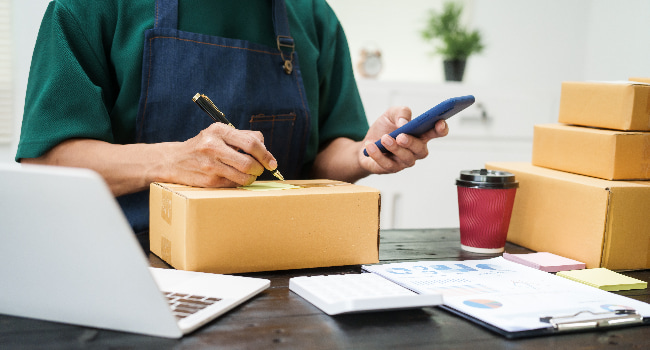
The pick and pack journey begins the moment a customer places an order. The order is transmitted to the 3PL’s fulfillment center, generating a picking list for the warehouse team. This list tells the picker exactly where to find each item in the warehouse.

A warehouse worker then travels through the aisles, “picking” the items from their designated storage locations. Once all items for an order are collected, they are brought to a packing station. Here, a packer verifies the items against the order, selects the appropriate packing materials, and securely packages the goods for transit.

Finally, the package is weighed, a shipping label is applied, and it’s sorted for pickup by the designated carrier. This entire shipping process is designed to be as fast and error-free as possible.

  • Order Received: The 3PL system generates a picking list.
  • Picking: A worker gathers the items for the order.
  • Packing: Items are checked, packed securely, and sealed.
  • Shipping: The package is labeled and sent out for delivery.
 

The Step-by-Step Pick and Pack Process

Technology Advancements in Pick and Pack Systems

Modern pick and pack operations are powered by sophisticated technology. At the center of it all is warehouse management software (WMS). This system is the brain of the warehouse, optimizing everything from inventory placement to picking routes. It ensures that items are stored in a way that minimizes travel time for workers.

Advancements like barcode scanners and robotic automation have further revolutionized the process. Scanners are used at every step—receiving, storing, picking, and packing—to verify items and update inventory management records in real time. This drastically reduces human error and improves order accuracy. Some advanced 3PLs even use robots to bring shelves to workers, further speeding up order processing.

This technology also provides valuable data for refining your shipping strategy. By analyzing order patterns and fulfillment times, you can make smarter decisions about inventory allocation and carrier selection, ultimately improving delivery speed and reducing costs.

Integrating Repackaging with Warehouse Management

A truly efficient operation seamlessly integrates repackaging services with its overall warehouse management. This isn’t a separate, isolated task; it’s part of a connected workflow managed by the warehouse management system (WMS). The WMS directs when and where repackaging activities should occur.

For example, if you sell a promotional bundle, the WMS will instruct a worker to pick the individual components and bring them to a designated kitting station. Once assembled, the new bundle is assigned a new SKU and placed into inventory storage, ready to be picked for a future order. This ensures that the system always has an accurate count of both the components and the finished kits.

This integration allows for dynamic fulfillment across multiple warehouse locations. Your WMS can determine the most efficient location to perform the repackaging based on inventory levels and the customer’s final destination, further optimizing the entire process from start to finish.

How Repackaging Services Improve Inventory Management

Repackaging isn’t just about making products look good; it’s a powerful tool for better inventory management. By giving you the ability to transform products within your supply chain, you gain more control over your stock and can react faster to market changes.

This flexibility helps streamline inventory replenishment and reduce costly errors. When you can create bundles on demand, you don’t have to guess how many pre-packaged kits you’ll need, which keeps inventory levels lean and efficient. Let’s explore how this works in practice.

Streamlining Inventory Replenishment

Repackaging simplifies inventory replenishment by allowing you to work with base components. Instead of managing stock levels for dozens of different product bundles, you only need to focus on the individual items. This makes forecasting and supply chain management much easier.

When stock levels for a component run low, your inventory management systems can trigger an automatic reorder. This ensures you always have the necessary parts on hand to create any bundle or kit as order volumes fluctuate. This “just-in-time” approach to kitting prevents you from tying up capital in slow-moving, pre-packaged goods.

Imagine you sell a gift set with three items. If one of those items sells out, you can’t sell any more sets. But with on-demand repackaging, you simply replenish the one missing item. This keeps your other products available for sale individually and ensures your popular bundles are back in stock faster.
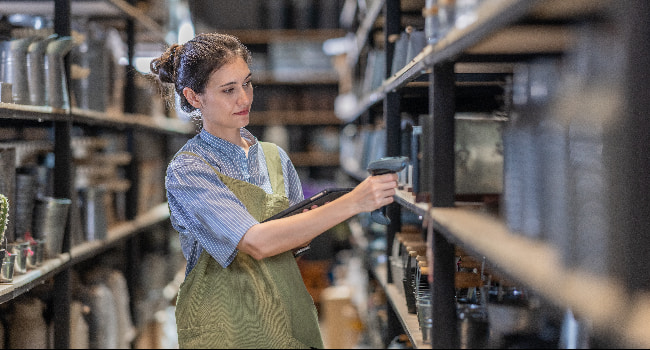
Streamlining Inventory Replenishment

Increasing Accuracy and Reducing Errors

Accuracy is one of the most important key performance indicators in order fulfillment. Errors in picking or packing lead to unhappy customers, costly returns, and a damaged reputation. Repackaging services, when managed by a professional 3PL, can actually help improve inventory accuracy.

By creating standardized kits with unique barcodes, you simplify the picking process. A warehouse worker only needs to scan one barcode for the entire bundle instead of scanning multiple individual items. This reduces the chance of a component being missed or the wrong item being included, boosting order accuracy.

Furthermore, 3PLs implement rigorous quality control checks throughout their supply chain operations.

  • Barcode Scanning: Verifies each item during picking and packing.
  • Standardized Kits: Simplifies the picking process for bundles.
  • Weight Checks: Automated scales can flag orders that have an incorrect weight.
  • Quality Control Stations: Workers visually inspect kits before they are sealed.

Real-Time Inventory Tracking Innovations

Modern repackaging is supported by powerful real-time tracking technology. Advanced warehouse management software gives you a live, transparent view of your inventory levels, down to the individual component. When a 3PL creates a new kit, the system automatically deducts the components from stock and adds the new bundled SKU.

This real-time visibility is essential for preventing stockouts. You can see exactly what you have on hand at any moment and make proactive decisions about purchasing and promotions. If you notice a particular bundle is selling fast, you can ensure you have enough components to meet the demand.

This level of tracking also improves customer service. If a customer inquires about the availability of a product, your team can give them an accurate answer instantly. This transparency builds trust and enhances the overall customer experience, all driven by the backend logistics operations.

Challenges and Risks in Repackaging for Businesses

While outsourcing repackaging services offers many benefits, it’s not without its challenges. Handing over a critical part of your supply chain to another company requires trust and careful management. Potential risks include issues with quality control, supply chain disruptions, and ensuring regulatory compliance.

Being aware of these potential pitfalls is the first step to mitigating them. By choosing the right partner and establishing clear protocols, you can navigate these challenges and ensure your logistics services run smoothly. Let’s look at some key areas to watch out for.

Quality Control and Inspection Protocols

One of the biggest concerns when outsourcing is maintaining quality. Your customers associate the final product with your brand, not the 3PL that packed it. Poorly assembled kits, damaged items, or sloppy packaging can all reflect badly on you. That’s why robust quality control and inspection protocols are non-negotiable.

Before partnering with a 3PL, you need to understand their quality management processes. How do they ensure order accuracy? What happens if an item is damaged during the repackaging process? Clear service-level agreements (SLAs) should outline these protocols and establish accountability. Using the right packing materials is also a critical part of quality control.

A good 3PL will have multiple checkpoints in its supply chain management process to catch errors.

  • Inbound Inspection: Checking products for damage upon arrival.
  • Kitting Verification: Ensuring all components of a bundle are correct.
  • Final Pack-Out Check: A final review of the order before it is sealed.
  • Regular Audits: Performing routine checks on packaged inventory.

 

Quality Control and Inspection Protocols

Navigating Supply Chain Disruptions

Relying on a single partner for a critical function like repackaging can create a single point of failure. If your 3PL experiences a service disruption—whether due to a natural disaster, a labor strike, or technical issues—your entire fulfillment operation could grind to a halt. This is one of the most significant risks of outsourcing.

To mitigate this, it’s important to understand a 3PL’s contingency plans. Do they have multiple warehouses? What is their disaster recovery strategy? Some larger businesses even work with multiple logistics providers to spread their risk, though this can add complexity to transportation management and increase shipping costs.

Supply chain disruptions can also impact reverse logistics. If your 3PL’s operations are down, they won’t be able to process customer returns, which can lead to delays in refunds and frustrated customers. A proactive discussion about risk management is essential before signing any contract.

Ensuring Data Security and Regulatory Compliance

When you work with a 3PL, you’re sharing sensitive information, including customer data and sales figures. As a business owner, you are responsible for ensuring this data is protected. Data security is a major challenge, and a breach at your 3PL partner could have serious consequences for your business and your customers.

You must verify that any potential partner has strong cybersecurity measures in place to protect their warehouse management software and other systems. This includes compliance with data privacy regulations like GDPR. Don’t be afraid to ask detailed questions about their security protocols and certifications.

Regulatory compliance extends beyond data to the physical products and transportation services. Your 3PL must adhere to all regulations related to labeling, packing, and shipping your specific products. A failure on their part can still result in fines and legal trouble for your business, making due diligence critical.

How to Choose the Right 3PL or Repackaging Partner

Choosing the right 3PL partner is one of the most important decisions a business owner can make. The right partner will feel like an extension of your own team, while the wrong one can cause endless headaches. It’s about more than just finding the lowest price; you need to evaluate capabilities, scalability, and customer support.

The goal is to find a provider that understands your unique needs and can grow with you. Let’s explore the key factors to consider when evaluating different service providers and logistics companies.

Evaluating Capabilities and Service Offerings

Not all service providers are created equal. When evaluating potential partners, start by looking closely at their core competencies. Do they have experience in your specific industry or with products similar to yours? A 3PL that specializes in apparel will have different skills than one that focuses on electronics.

Next, review their full range of logistics services. Do they offer the specific fulfillment solutions you need now and in the future? This includes not just repackaging but also warehousing, returns management, and transportation. You want a partner who can support your growth, not one you’ll outgrow in a year. This is a huge advantage over building your own warehouse.

Ask detailed questions about their capabilities:

  • Industry Experience: Have they worked with businesses like yours?
  • Service Portfolio: Do they offer the specific repackaging services you need (e.g., kitting, relabeling)?
  • Technology: What warehouse management system do they use? Can it integrate with your ecommerce platform?
  • Track Record: Can they provide case studies or references from similar clients?

 

Evaluating Capabilities and Service Offerings

Analyzing Pricing Structures and Value Delivery

Understanding a 3PL’s pricing structure is crucial for effective cost control. Pricing can be complex, with separate fees for receiving, storage, picking, packing, and shipping. For repackaging, there will likely be additional charges based on the complexity of the task. It’s essential to get a clear, itemized breakdown of all potential costs.

Be wary of providers who offer a deceptively low base rate but have numerous hidden fees. Transparent pricing structures are a sign of a trustworthy partner. Ask for a detailed quote based on your projected order volume and specific repackaging needs. This will help you accurately forecast your logistics expenses.

Ultimately, the goal is to find a partner who delivers strong value, not just the lowest price. The cost savings from improved efficiency, reduced errors, and faster delivery times can often outweigh a slightly higher fee. Analyze the total value delivery of their business model, not just the line-item costs.

Location, Scalability, and Customer Support Considerations

A 3PL’s warehouse locations are critical. Ideally, you want a partner with fulfillment centers located strategically close to your customer base. This reduces shipping times and lowers shipping rates, which is a major factor in customer satisfaction. A provider with a distributed network of warehouses offers a significant advantage as you grow.

Scalability is another key consideration. Ask potential partners how they handle seasonal peaks. Do they have the resources and infrastructure to manage a sudden surge in orders without sacrificing service quality? A flexible partner who can scale with your business is invaluable for long-term growth.

Finally, don’t overlook customer support. When issues arise, you need a dedicated point of contact who is responsive and helpful. Evaluate their communication channels and ask about their account management structure. Good customer support is the foundation of a successful and stress-free partnership.

Conclusion

In summary, the growing demand for repackaging services is reshaping the logistics landscape, particularly as e-commerce continues to thrive. By understanding the nuances of repackaging and its integration with third-party logistics (3PL), businesses can streamline their operations while enhancing customer satisfaction. The benefits of outsourcing repackaging, such as cost reduction and efficiency gains, cannot be underestimated. As you navigate the complexities of repackaging in 2025, consider how your choice of a logistics partner can make all the difference in meeting consumer expectations and staying ahead of market trends. Ready to explore how repackaging can work for your business? Get a free consultation today!

Frequently Asked Questions

For growing ecommerce businesses, repackaging is vital for enhancing order fulfillment and customer satisfaction. It allows for the creation of promotional bundles, custom packaging, and a branded unboxing experience. These flexible logistics services are key to adapting supply chain management to meet customer demands and stand out in a competitive market.

The main difference is that repackaging services modify a product’s packaging (e.g., kitting, bundling) before it’s prepared for shipment. Pick and pack is the process of retrieving items from inventory storage and packing them into a shipping box. Repackaging is a value-added step within warehouse management that happens before the final pick and pack.

Third-party logistics providers ensure quality through strict quality control protocols, including barcode scanning and weight checks to improve order accuracy. Their warehouse management system directs staff through optimized workflows, and multiple inspection points within the fulfillment center are used to verify that all repackaged items meet the client’s standards before shipment.

Author Haley

Haley serves as the Marketing Manager for Complete Quality Solutions. She joined CQS in 2023 with her prior experience gained with GXO and XPO Logistics.

Share On :