
Complete Quality Solutions

How Effective Grocery Sanitation Improves Operational Efficiency

Table of Contents

Key Highlights

Introduction

When you think about the operational efficiency of grocery stores, what comes to mind? You might picture fast checkout lines or well-stocked shelves. However, a crucial and often overlooked element begins long before products reach the store: grocery sanitation. In the complex world of the grocery supply chain, cleanliness is not just about appearances. It is a fundamental practice that directly impacts everything from inventory management to order fulfillment, making it a cornerstone of a successful and efficient operation.

The Role of Grocery Warehouse Operations in Modern Food and Beverage Supply Chains

Grocery warehouse operations are the central nervous system of the food and beverage supply chain. These specialized facilities are designed to store, manage, and distribute a wide variety of food products, from perishable goods requiring strict temperature control to dry goods with a long shelf life. They act as a critical hub connecting food producers to grocery stores.

The primary goal of these operations is to ensure that products are stored in optimal conditions, maintain product freshness, and organize goods for efficient distribution. Effective inventory management within the warehouse is vital for preventing spoilage and meeting fluctuating consumer demand, making it a cornerstone of the modern grocery industry. We will now examine the specific functions of these facilities and the importance of sanitation.
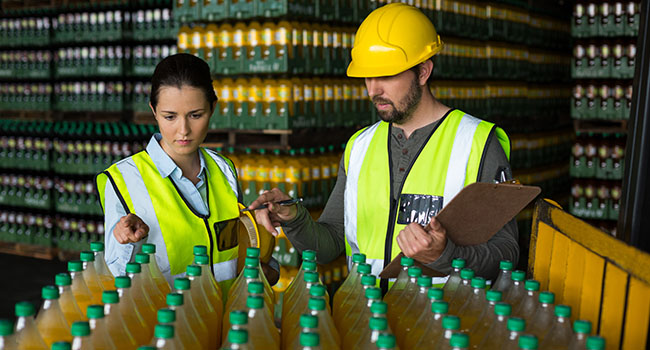
The Role of Grocery Warehouse Operations in Modern Food and Beverage Supply Chains

Key Functions and Processes in Grocery Warehousing

To appreciate the role of sanitation, it is helpful to understand the main functions that happen within grocery warehouse operations. These processes are designed to move food products seamlessly from supplier to retailer while maintaining quality and availability. The entire system relies on precision and coordination.

The core activities are interconnected, forming a continuous cycle that keeps the grocery industry moving. From the moment goods arrive until they are shipped out, every step is crucial for managing stock levels and fulfilling orders accurately. These main functions include:

  • Receiving: Accepting and inspecting incoming shipments from manufacturers and suppliers.
  • Storing: Placing food products in appropriate locations, considering factors like temperature, shelf life, and demand.
  • Inventory Management: Tracking stock levels to prevent spoilage, manage reordering, and ensure product availability.
  • Order Fulfillment: Picking, packing, and preparing orders for shipment to retail locations or directly to consumers.
  • Distribution: Organizing and dispatching goods for efficient and timely delivery.

Importance of Food Grade Sanitation for Product Integrity

Food grade sanitation is non-negotiable in the grocery supply chain. It refers to the cleaning and sanitizing processes that are specifically designed to prevent contamination and ensure food is safe for consumption. For grocery stores, this is the first line of defense in protecting both customers and their brand reputation.

Maintaining product integrity is the primary objective. Proper sanitation practices ensure that product freshness is preserved from the warehouse to the store shelf. This involves more than just a surface-level clean; it requires a deep understanding of how to handle different types of food products, manage storage environments, and prevent cross-contamination between raw ingredients and finished goods.

Ultimately, food grade sanitation is a critical component of quality control. It guarantees that the products you receive meet safety standards and customer expectations. Without it, the risk of spoilage, foodborne illness, and costly recalls increases dramatically, undermining the entire supply chain.

Understanding Food Grade Sanitation Standards

Food grade sanitation is guided by a set of strict standards and food safety regulations. These rules are in place to protect public health and ensure consistency across the supply chain. For grocery stores and their partners, adhering to these standards is a legal and ethical responsibility. It involves implementing documented procedures for cleaning, pest control, and employee hygiene.

Effective warehouse management means integrating these sanitation standards into every aspect of daily operations. This proactive approach to supply chain management helps prevent contamination issues before they can arise, ensuring that all products remain safe as they move from the distribution center to the retail floor. Let’s look at some of the key practices and regulations.

Essential Practices for Grocery Warehouses

Implementing a robust sanitation program is key to warehouse management and food safety. It involves a set of essential practices that must be consistently followed to protect products and maintain operational efficiency. These practices form the foundation of a safe environment for storing grocery items.

A clear and well-documented plan ensures that every team member understands their role in upholding these standards. Regular training and monitoring are necessary to make sure these safety guidelines are not just known but actively practiced every day. For grocery stores, this diligence translates into safer products and a more reliable supply chain. Key practices include:

  • Regular Cleaning Schedules: Establishing and following a routine for cleaning all surfaces, equipment, and storage areas.
  • Pest Control Management: Implementing proactive measures to prevent infestations from rodents, insects, and other pests.
  • Proper Waste Disposal: Ensuring that trash and expired products are removed promptly and properly to avoid contamination.
  • Employee Hygiene Protocols: Enforcing rules for handwashing, protective clothing, and health standards for all staff.
  • Temperature Monitoring: Consistently checking and logging temperatures in refrigerated and frozen storage areas.
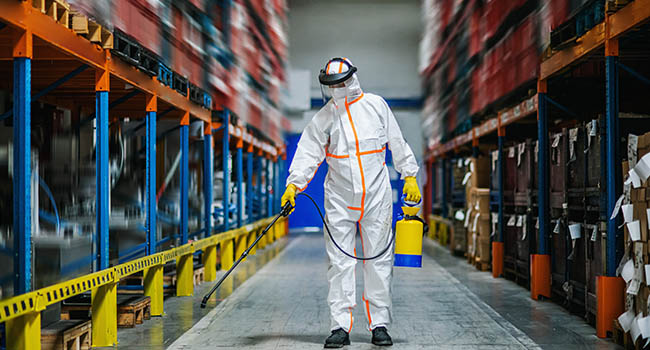
Pest Control Management:

Regulatory Compliance and Safety Guidelines in the United States

In the United States, grocery warehouses and distribution centers must adhere to specific food safety regulations set by government agencies like the Food and Drug Administration (FDA) and the Department of Agriculture (USDA). These rules are designed to prevent foodborne illnesses and ensure that the food supply is safe. Regulatory compliance is not optional; it is a fundamental requirement for operating legally.

Failure to comply with these guidelines can result in severe penalties, including fines, facility shutdowns, and legal action. More importantly, it can put public health at risk. Therefore, having a comprehensive understanding of these regulations is crucial for any business involved in the grocery supply chain.

These regulations cover everything from facility maintenance to food handling procedures. Below is a table outlining key areas of focus for regulatory compliance in grocery warehouses.

Regulatory Focus AreaKey Safety Guidelines
Facility and EquipmentSurfaces must be easy to clean; equipment must be maintained in sanitary condition.
Temperature ControlPerishable goods must be stored at safe temperatures to prevent bacterial growth.
Cross-Contamination PreventionProcedures must be in place to separate raw ingredients from ready-to-eat products.
Pest ControlA documented pest management program must be actively implemented and monitored.
Employee TrainingStaff must be trained on proper hygiene, food handling, and sanitation procedures.

Impact of Effective Sanitation on Operational Efficiency

At first glance, sanitation might seem like a chore that slows things down. However, the opposite is true. Effective sanitation has a powerful and positive impact on operational efficiency in grocery warehouses. A clean and organized facility is a productive facility, where tasks from inventory management to order fulfillment can be performed faster and more accurately.

This boost in efficiency benefits everyone in the supply chain, especially grocery stores that rely on timely and accurate shipments. When a warehouse runs smoothly, it reduces the risk of delays and errors that can disrupt store operations and affect customer satisfaction. Let’s explore how this connection works in more detail.

Reducing Contamination Risks and Product Losses

One of the most direct financial benefits of a strong sanitation program is the reduction of product losses. In the grocery supply chain, spoilage and contamination are significant sources of waste. When products become unsafe for consumption, they cannot be sold, resulting in a direct hit to your bottom line.

Effective sanitation practices in warehouse management directly combat these issues. By controlling temperature, preventing pest infestations, and eliminating sources of bacteria, you dramatically lower contamination risks. This ensures that a higher percentage of your inventory remains viable and sellable, which is a core goal of any warehouse operation.

This reduction in product losses also improves inventory accuracy. With less unsellable stock to write off, your inventory data becomes a more reliable reflection of what is actually available. This helps you manage your grocery supply chain more effectively, preventing both overstocking and unexpected shortages.

Streamlining Workflows and Daily Operations

A clean warehouse is an organized warehouse, and organization is key to streamlined workflows. When aisles are clear, floors are free of debris, and equipment is properly maintained, your team can move more freely and safely. This simple fact has a huge impact on the speed and efficiency of daily operations.

Think about the time saved when employees are not navigating around clutter or dealing with malfunctioning equipment. These small efficiencies add up, leading to faster picking and packing times and quicker turnaround on orders. Advanced grocery logistics, including automation, also function best in a clean environment. Robots and sorting systems require unobstructed paths and sanitary conditions to operate at peak performance, further enhancing operational efficiency.

By integrating sanitation into your regular workflows, you create a system where cleanliness supports productivity. Warehouse management software can even help by scheduling cleaning tasks alongside picking and stocking, ensuring that sanitation efforts never fall behind or disrupt core grocery logistics.

Warehouse Labor Solutions for Grocery Sanitation

Keeping a large grocery warehouse sanitized requires a dedicated workforce. However, with ongoing labor shortages affecting the entire supply chain management sector, finding and retaining staff for these crucial tasks can be a challenge. This makes choosing the right labor solutions a strategic decision for effective warehouse management.

There are different approaches to staffing for grocery sanitation, each with its own benefits. The key is to find a model that ensures consistency and quality without overburdening your core operational team. We will now look at how to balance internal staff with external help and the importance of proper training.
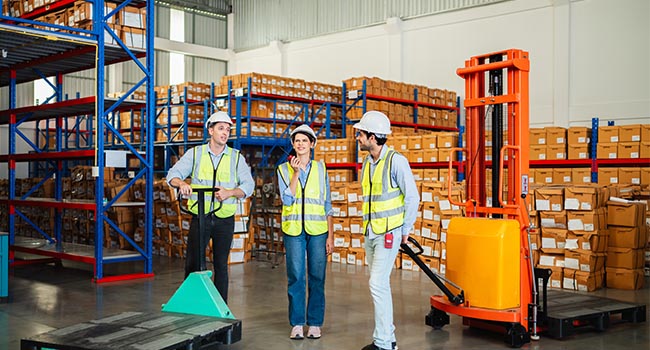
Warehouse Labor Solutions for Grocery Sanitation

Balancing In-house Staff and Third Party Labor

Finding the right mix between in-house staff and third-party labor can significantly enhance grocery warehousing operations. Utilizing a combination of these resources allows businesses to effectively manage inventory levels and improve order fulfillment. Third-party labor can help address peak demand periods and minimize labor shortages, ensuring that fresh produce and sensitive items are available on time. Balancing these workforce elements not only boosts operational efficiency but also heightens customer satisfaction by enhancing product freshness and delivery times.

Training and Accountability in Sanitary Procedures

Simply having sanitary procedures on paper is not enough. To be effective, these rules must be consistently followed, which requires thorough training and a strong system of accountability. Every person working in your grocery warehouse, whether permanent or temporary, must understand the importance of sanitation and their specific responsibilities.

Training should be ongoing, not just a one-time event during onboarding. Regular refreshers on handwashing, handling sensitive items, and using cleaning equipment help reinforce good habits. This investment in training is a direct investment in quality control and can optimize labor by ensuring tasks are done correctly the first time.

Accountability is just as important. Regular inspections and performance reviews can help you identify areas where procedures are not being followed. By creating a culture where everyone takes ownership of cleanliness, you ensure that your sanitary procedures are more than just a policy—they are a fundamental part of how your warehouse operates.

The Benefits of Leveraging Warehouse Temp Labor in Grocery Sanitation

Managing operational costs while maintaining high standards is a constant balancing act in warehouse management. This is particularly true for grocery sanitation, which is a necessary but labor-intensive task. Using warehouse temp labor offers a practical solution to this challenge, providing flexibility in workforce management.

Temporary staff can be brought in specifically to handle sanitation duties, allowing your permanent team to focus on revenue-generating activities. This approach can help you control labor costs and adapt to changing needs without compromising on cleanliness. Let’s explore how this flexibility can benefit your operation.

Addressing Fluctuating Labor Demands

The grocery business is known for its fluctuating labor demands. Seasonal peaks, holidays, and promotional events can dramatically increase the workload in distribution centers. During these busy times, sanitation can sometimes take a backseat as all hands are focused on getting orders out the door. This can compromise food safety and operational efficiency.

Temporary labor provides a powerful solution to this problem. By bringing in temp workers to manage sanitation, you can scale your workforce up or down as needed. This flexibility allows you to maintain high cleanliness standards even during your busiest periods, without the cost of hiring permanent staff that you may not need year-round.

This strategy is an effective way for grocery businesses to navigate labor shortages and optimize their workforce. It ensures that essential sanitation tasks are always covered, helping to keep the entire operation running smoothly and efficiently.

Addressing Fluctuating Labor Demands​

Enhancing Flexibility and Productivity During Peak Periods

During peak periods, every minute counts. The pressure is on to move products quickly and accurately to keep grocery stores stocked. In this environment, enhancing flexibility and productivity is paramount. Diverting your skilled, permanent workforce to cleaning tasks can create bottlenecks in picking, packing, and shipping.

Leveraging a temporary workforce for sanitation frees up your core team to do what they do best. This division of labor is a smart way to optimize productivity. Your experienced employees can focus on complex operational tasks, while the temp staff ensures the facility remains clean and safe, which in turn helps the entire operation run more smoothly.

This approach gives you the flexibility to respond to sudden surges in demand without sacrificing quality or cleanliness. It is a strategic way to manage your workforce, ensuring that you have the right people doing the right jobs at the right time. This ultimately helps you meet the demands of grocery stores and their customers, even when things get hectic.

Optimizing Warehouse Logistics Through Effective Sanitation

There is a clear link between a clean warehouse and optimized warehouse logistics. Effective sanitation contributes to a more organized and predictable environment, which is the foundation of an efficient grocery supply chain. When a facility is clean, it is easier to maintain inventory accuracy and streamline the movement of goods.

This organization extends beyond the warehouse walls, even impacting delivery routes. A warehouse that can process orders quickly and without errors enables more reliable and efficient delivery schedules. Next, we will discuss how this translates to better fulfillment and happier retail partners.

Improving Delivery Schedules and Timely Fulfillment

For grocery retailers, timely fulfillment is everything. They rely on predictable delivery schedules to manage their stock and meet customer demand. Delays in the supply chain management process can lead to empty shelves and lost sales. A clean and efficient warehouse plays a crucial role in ensuring that deliveries are on time.

How does sanitation help? A sanitary warehouse is an organized one, which reduces the time it takes to pick and pack an order. There are fewer delays caused by misplaced items, contaminated stock, or unsafe working conditions. This allows the warehouse to process orders faster, leading to shorter overall delivery times.

By managing their internal operations effectively, including sanitation, grocery warehouses can create more reliable timelines. This allows them to provide grocery retailers with accurate delivery schedules and consistently meet their commitments. This reliability is a key factor in building strong, long-term partnerships within the supply chain.


Improving Delivery Schedules and Timely Fulfillment

Conclusion

In conclusion, effective grocery sanitation is not just about compliance; it’s a vital component that directly enhances operational efficiency. By prioritizing food-grade sanitation practices, grocery warehouses can significantly reduce contamination risks and streamline workflows, which leads to fewer product losses and improved performance. Furthermore, having the right labor solutions in place, including training and accountability measures, ensures that sanitation procedures are consistently upheld. As we’ve explored, optimizing these processes goes hand-in-hand with improving logistics and delivery schedules. By embracing comprehensive sanitation strategies, businesses can create a safer, more productive environment that ultimately benefits both employees and customers alike. If you’re interested in learning more about how to implement these practices effectively, don’t hesitate to reach out for further guidance!

Frequently Asked Questions

Common challenges in grocery sanitation include maintaining consistency across large facilities, managing the high cost of labor, and preventing cross-contamination between different food types. Balancing rigorous cleaning schedules with the fast pace of warehouse management to maintain operational efficiency and accurate inventory levels for grocery stores is also a significant hurdle.

Technology can significantly enhance sanitation efforts. Warehouse management software can schedule and track cleaning tasks, while automation and robotics can handle repetitive cleaning jobs with precision. IoT sensors can also monitor environmental conditions like temperature and humidity in real-time, helping to prevent contamination before it starts and improving overall supply chain management.

Author Haley

Haley serves as the Marketing Manager for Complete Quality Solutions. She joined CQS in 2023 with her prior experience gained with GXO and XPO Logistics.

Share On :