(224) 213-5119
(513) 776-1078
Here’s a quick look at what we’ll cover:
In today’s fast-paced world, the pressure on supply chain operations has never been greater. Warehouses are the backbone of commerce, and efficiency is the name of the game. For years, lumping services relied on manual effort, but times are changing. The move from manual to digital processes is no longer just an option—it’s a necessity for survival. This guide explores the incredible return on investment (ROI) that automation technology like Dock Link brings to lumper operations, revolutionizing warehouse management for the better.
Lumping services have long been a fundamental part of warehouse environments. Traditionally, this involved intense manual labor, with teams physically loading and unloading freight from trucks. This process was essential for keeping goods moving but was often slow and physically demanding.
As warehouse management systems evolved, the need for greater speed and accuracy became clear. The limitations of relying solely on human strength prompted a search for better methods, paving the way for technological advancements that could support, and eventually automate, these critical tasks.
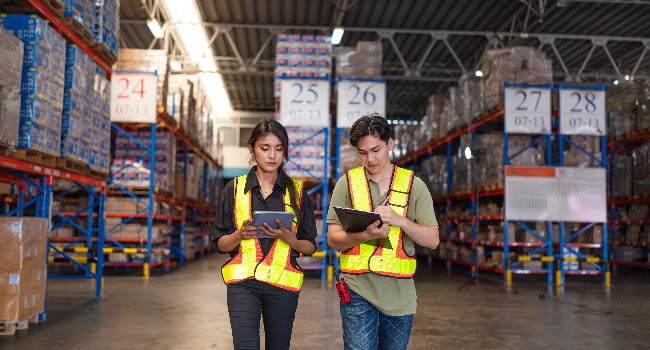
In a traditional setting, the lumper’s job was defined by hard, physical work. Upon a truck’s arrival, a team would begin the strenuous process of manually unloading cargo, piece by piece. This involved sorting products, stacking them onto pallets, and preparing them for storage within the warehouse.
These repetitive tasks were not only physically draining but also time-consuming. The entire workflow depended on the speed and endurance of the manual labor force. Effective warehouse management required careful coordination to ensure goods were moved from the loading dock to their designated storage locations without causing bottlenecks that would consume valuable floor space.
Ultimately, this manual approach was prone to inconsistencies. The pace could vary significantly based on the crew, the type of cargo, and the conditions inside the warehouse. This variability made it difficult to predict turnaround times and maintain a consistent operational flow.
A lumper service provides the labor to load and unload freight, a crucial step in the logistics chain. Before digital tools, this service was plagued with challenges that impacted the entire warehouse. Labor inefficiencies were a major issue, as manual unloading is slow and physically taxing, leading to fatigue and reduced productivity over a shift.
Another significant problem was the high potential for human error. Manual counting and sorting often resulted in mistakes that compromised inventory accuracy. Incorrectly recorded stock levels could disrupt order fulfillment and lead to costly downstream errors. These inaccuracies made it difficult to trust the data on hand.
The most common challenges included:
Technology is now used to automate these tasks, using robotics and software to count, sort, and move goods with speed and precision, solving these age-old problems.
The drive toward greater efficiency was inevitable. With customer demands growing and delivery windows shrinking, warehouses could no longer afford the delays and errors of manual processes. This pressure sparked a significant shift toward warehouse automation, as companies sought ways to boost warehouse productivity and lower operational costs.
Automation technology offered a clear path forward. By introducing machines to handle repetitive and physically demanding tasks, warehouses could operate faster and more reliably. Technology improves inventory management by using automated systems to scan, count, and track goods in real time, virtually eliminating the human errors common in manual counts. This ensures data is accurate from the moment goods enter the warehouse.
This technological evolution wasn’t just about speed; it was about creating smarter, more resilient operations. The ability to automate key processes freed up human workers to focus on more complex tasks, driving a new era of efficiency and optimization in warehousing.
So, what is the solution to these manual challenges? Enter Dock Link, a form of automation technology designed specifically to streamline and modernize lumper operations. It represents the digital shift away from strenuous physical labor toward a smarter, data-driven approach at the loading dock.
Dock Link integrates with your broader warehouse management system to create a seamless flow of information and goods. By automating tasks from unloading to initial sorting, it accelerates the entire receiving process, which in turn speeds up downstream activities like order picking and stocking. Let’s explore what this technology is and how its features work.

Dock Link is a comprehensive system that combines hardware and software to digitize the lumping process. Think of it as a smart assistant for your loading dock. It uses various types of warehouse automation technology, such as depalletizing robots and collaborative robots (cobots), to physically handle the unloading of goods from trucks. These machines can unpack pallets and sort items with a level of speed and precision that manual labor cannot match.
The system is powered by intelligent software that directs the hardware. Once items are unloaded, the software identifies them, counts them, and feeds this data directly into your warehouse management system. This integration is crucial for effective supply chain management, as it ensures that everyone from the dock to the front office is working with accurate, up-to-the-minute information.
By automating these initial steps, Dock Link lays the foundation for a fully automated warehouse. It eliminates the first major bottleneck in the receiving process, allowing goods to move more quickly into storage or toward order fulfillment, creating a more efficient and responsive operation from the ground up.
The power of Dock Link technology comes from a blend of advanced features designed to optimize lumping services. These technologies work together to create a fluid, efficient, and accurate unloading process. Modern warehouse automation relies heavily on technologies like artificial intelligence (AI), machine vision, and advanced sensors to function.
For example, machine vision allows robots to identify products and read barcodes without manual scanning. This data is processed in real time, updating inventory records instantly. Mobile robots can then transport these goods to the next station or to their storage location, navigating the warehouse floor independently. This reduces the need for manual material handling and frees up your team for other duties.
Key features often include:
One of the biggest concerns when adopting new technology is how it will fit with what you already have. Dock Link technology is designed for integration. It seamlessly connects with your existing warehouse management system (WMS), ERP tools, and other warehouse automation platforms. This ensures that the data it captures is immediately available across your entire operation.
Automation systems help optimize warehouse operations by creating a unified ecosystem where every component communicates. For instance, once Dock Link logs new inventory, that information can trigger actions in your automated storage system, which might dispatch a vehicle to pick up the goods. This level of connectivity eliminates data silos and manual handoffs, reducing delays.
While the initial investment for this level of warehouse automation can be significant, the returns are clear. By creating a fully connected environment, you can optimize workflows, reduce errors, and increase throughput, leading to a more efficient and profitable operation in the long run.
Despite its long history, manual lumping simply can’t keep up with the demands of modern warehouse environments. The reliance on manual labor creates inherent inefficiencies and risks that technology is now able to solve. High labor costs are just the beginning of the problem.
The need for constant human intervention at every step—from unloading and counting to sorting and stacking—introduces opportunities for error and inconsistency. In a competitive market where speed and accuracy are paramount, these shortcomings can put your entire operation at a disadvantage. The following sections will highlight these specific issues in more detail.
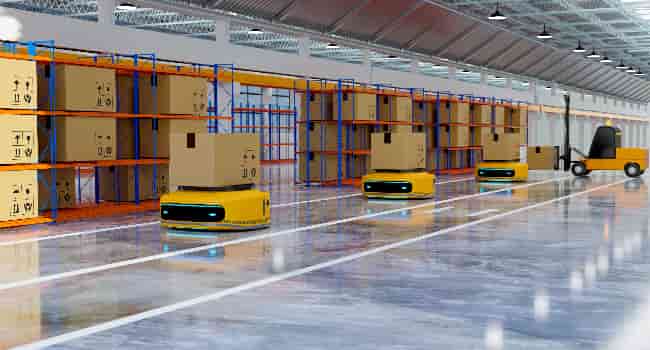
Manual processes are a major weak point in inventory management. When lumping is done by hand, your warehouse inventory data relies on people accurately counting and recording everything that comes off a truck. This method is notoriously prone to errors, such as miscounts or incorrectly identified products.
These mistakes create a ripple effect. Inaccurate inventory data can lead to stockouts on popular items or overstocking of others, tying up capital and warehouse space. When your system says you have an item that isn’t actually there, it can derail order fulfillment and damage customer trust. Technology improves inventory management by automating this data capture, using scanners and sensors for near-perfect accuracy from the start.
Without reliable data from the moment goods arrive, maintaining control over your warehouse inventory becomes a constant struggle. You are forced to rely on periodic manual counts to correct the record, which is another inefficient and costly process.
Relying on manual labor for lumping creates significant inefficiencies. The process is physically demanding, leading to fatigue among warehouse staff. As workers tire, their pace slows, and the risk of mistakes increases. This makes it difficult to maintain a consistent and predictable unloading schedule, impacting the entire warehouse workflow.
Technology boosts the efficiency of warehouse labor by taking over these strenuous, repetitive tasks. This allows you to reallocate your human resources to roles that require problem-solving and critical thinking. In an era of persistent labor shortages, making the best use of your available team is more important than ever. Poor resource allocation, where skilled workers are tied up with basic unloading tasks, is a waste of talent and money.
Key labor inefficiencies include:
Inaccurate data entry is one of the most damaging consequences of manual lumping. A simple clerical error or miscount at the loading dock can corrupt your entire inventory record. This human error leads to a mismatch between your digital records and the physical stock on your shelves, causing a host of problems for warehouse management.
When your system shows incorrect inventory levels, it directly affects your ability to fulfill orders accurately. It can also disrupt your retrieval systems, sending pickers to empty locations or causing delays as they search for misplaced items. These small mistakes quickly add up, leading to lost sales, unhappy customers, and wasted labor.
While implementing warehouse technology has its own set of common challenges, such as integration and training, these are often temporary hurdles. The persistent and costly risk of inaccurate data from manual entry is a far greater long-term problem that automation is specifically designed to solve.
The move to digital is changing the face of lumping. By embracing automation technology, warehouses are transforming a traditionally slow and labor-intensive process into a fast, accurate, and efficient operation. This digital transformation is a key step toward building a smart warehouse.
This shift significantly boosts warehouse throughput, allowing you to receive more goods in less time. With more reliable data and faster processing at the dock, the entire order fulfillment cycle becomes more streamlined and responsive. Let’s look at how technologies like Dock Link are making this happen.

Dock Link technology automates the most physically demanding and repetitive tasks in lumping. Instead of teams manually lifting and sorting boxes, systems using collaborative robots and depalletizers can take over. These machines are designed for high-volume, repetitive work and can operate around the clock without fatigue.
The main technologies used in modern warehouse automation, such as artificial intelligence and machine vision, guide these robots. They can identify different product types, sort them accordingly, and place them on pallets or conveyors for transport. This process requires minimal human intervention, freeing up your staff to supervise the system or handle more complex exceptions.
This automation extends beyond the dock. Once sorted, goods can be handed off to an automated storage system, creating a seamless flow from truck to shelf. By automating these tasks, you reduce physical strain on your workforce and dramatically increase the speed and consistency of your receiving operations.
One of the greatest benefits of digital transformation is the gift of real-time visibility. With Dock Link, every item is scanned and logged the moment it’s unloaded. This information is instantly fed into your warehouse management system, giving you an accurate, up-to-the-minute view of your inventory.
This real-time data is a game-changer for inventory management. It allows you to track inventory with precision from the second it enters your facility. You no longer have to wait for manual counts to be entered or for paperwork to be processed. This immediate access to information improves everything from stock allocation to demand forecasting.
Technology improves inventory management by providing a live, accurate picture of what you have and where it is. This visibility helps prevent stockouts, reduces carrying costs, and ensures that your operations are based on solid data, not guesswork.
Effective communication is essential for a smooth-running warehouse. Automation technology like Dock Link serves as a powerful communication bridge between warehouse operators on the floor and warehouse managers in the office. It replaces verbal updates and paper trails with a single source of digital truth.
When a shipment is processed, the system automatically updates its status, logs the inventory, and flags any discrepancies. Warehouse managers can see this information on their dashboards in real time, allowing them to make faster decisions about labor allocation, dock scheduling, and problem resolution. This direct line of sight removes ambiguity and ensures everyone is on the same page.
This impacts the efficiency of warehouse labor by reducing the time workers spend waiting for instructions or clarifying information. Instead of tracking down a supervisor, warehouse operators can receive tasks and updates directly through the system, keeping them productive and focused.
Adopting new technology is a significant decision, and you need to know it will pay off. Measuring the return on investment (ROI) of implementing Dock Link is crucial for justifying the expense. The ROI comes from a combination of direct cost savings and significant productivity gains.
By reducing manual labor, minimizing errors, and speeding up operations, you can achieve substantial reductions in operational costs. At the same time, increased throughput means you can handle more volume without expanding your facility or workforce. Let’s examine the key metrics you can use to measure this value.

To accurately measure the ROI of warehouse automation, you need to track the right key performance indicators (KPIs). These metrics will show you a clear before-and-after picture of your operations, helping you quantify improvements in warehouse productivity and efficiency.
One of the best practices when using technology in warehousing is to establish these benchmarks before implementation. This allows you to set clear goals and measure progress against them. Track metrics related to speed, accuracy, cost, and labor to get a holistic view of the impact on your warehouse. A well-designed warehouse layout can further enhance these KPIs by optimizing the flow of goods.
Here are some essential KPIs to monitor:
KPI Category | Metric | Description |
Productivity | Dock-to-Stock Time | The time it takes for goods to be received, processed, and put away. |
Accuracy | Receiving Accuracy Rate | The percentage of incoming orders recorded correctly without errors. |
Cost | Cost Per Unload | The total cost (labor, equipment) to process a single inbound truck. |
Labor | Labor Hours Saved | The reduction in manual labor hours required for lumping tasks. |
Implementing Dock Link leads to immediate and measurable productivity gains for your entire warehouse team. By automating the heavy lifting and sorting, the technology allows for a much higher throughput at the loading dock. More trucks can be unloaded per hour, which means goods move into the warehouse faster.
This directly impacts the efficiency of warehouse labor. Instead of being tied up with physically draining tasks, your warehouse staff can be reassigned to more value-added activities like quality control, inventory audits, or complex order picking. This smarter allocation of your human resources helps reduce overall labor costs while increasing job satisfaction.
In many warehouse environments, automation empowers lumpers to become system operators rather than manual laborers. They oversee the technology, manage exceptions, and ensure the process runs smoothly. This shift in roles not only boosts productivity but also develops new skills within your workforce.
One of the most compelling arguments for Dock Link is the significant cost savings it delivers. These savings come from multiple sources, starting with a reduction in manual labor expenses. By automating lumping tasks, you can decrease your reliance on temporary labor or reduce overtime for your existing staff.
Automation systems help optimize warehouse operations by drastically cutting down on costly human error. Every mistake in manual receiving—whether it’s a miscount, wrong SKU, or damaged product—has a financial consequence. Eliminating these errors improves inventory accuracy and prevents the costs associated with fixing them later.
Key areas of cost savings include:
Accurate inventory management is the heart of a successful warehouse, and Dock Link technology gives it a major boost. By capturing precise inventory data at the point of entry, the system ensures that your records are correct from the very beginning.
This level of accuracy is foundational for an efficient automated warehouse. With reliable data, every subsequent process, from put-away to order picking, runs more smoothly. This section will explore how this enhanced data capture improves inventory control, reduces losses, and enables smarter decision-making.

Dock Link provides powerful real-time tracking capabilities. As goods are unloaded and scanned, their status is immediately updated in the warehouse inventory system. This means you know exactly what has arrived and is ready for the next step, all without waiting for manual data entry.
This technology improves inventory management by creating a digital trail for every item. The system can direct goods to specific storage locations, and this information is logged instantly. When it’s time to retrieve an item, your retrieval systems know precisely where to find it, eliminating wasted time searching the warehouse.
This live view of your inventory flow gives you unprecedented control. You can monitor movements, identify bottlenecks, and manage your warehouse inventory with a level of precision that is impossible with manual methods.
The data captured by Dock Link is more than just a record—it’s a strategic asset. By applying data analytics to this information, you can unlock powerful insights to optimize your inventory levels. This is how data analytics can be leveraged to improve warehouse performance: by turning historical data into actionable intelligence.
For example, you can analyze receiving trends, supplier lead times, and product velocity to fine-tune your safety stock and reorder points. Using predictive analytics, the system can even forecast future demand with greater accuracy, ensuring you have the right amount of product on hand to meet customer expectations for order fulfillment without overstocking.
Data-driven insights can help you:
Inventory shrinkage—the loss of products between receiving and sale—is a major drain on profitability. It can be caused by theft, damage, or administrative errors. Advanced technologies like Dock Link directly combat shrinkage by improving tracking and accuracy from the moment goods enter your warehouse space.
By creating an accurate digital record of every item received, the system eliminates the administrative errors that often contribute to shrinkage. With real-time tracking, it’s much harder for products to get misplaced or lost within the warehouse. This improved visibility and control are key ways technology is improving inventory management and protecting your assets.
Furthermore, automated handling reduces the risk of product damage that can occur during manual unloading, further cutting down on losses. Tighter control over your inventory means less waste, which not only saves you money but also optimizes the use of your available warehouse space.
Looking ahead, the evolution of warehouse technology shows no signs of slowing down. By 2026, we can expect even more advanced technologies to become standard in supply chain operations. Trends like artificial intelligence, mobile solutions, and predictive maintenance are set to further revolutionize how warehouses operate.
These innovations will build on the foundation of today’s automation, creating even smarter, more connected, and more autonomous systems. For lumping services, this means greater efficiency and intelligence at the loading dock. Let’s explore some of the key trends shaping the future.
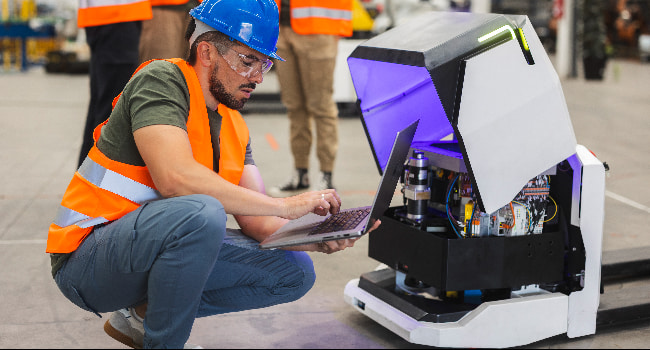
Artificial intelligence (AI) and machine learning (ML) are becoming the brains behind modern automation technology. In lumping services, AI will go beyond simply directing robots to perform repetitive tasks. It will enable systems to learn and adapt to new situations in real time, which is a major trend for 2026 and beyond.
For instance, a machine learning algorithm could analyze incoming shipments and optimize the unloading strategy based on the mix of products, their fragility, and their destination within the warehouse. It could identify patterns in supplier packaging and adjust the robotic handling to improve speed and reduce damage over time.
This intelligence allows the automation to become more efficient with every shipment it processes. AI-powered systems will be able to make decisions that were once reserved for experienced human workers, further boosting productivity and accuracy at the dock.
The future of warehouse management is mobile. Instead of being tied to fixed stations, warehouse operations will be managed on the go using mobile solutions like tablets and handheld devices. This flexibility allows supervisors to monitor operations, manage tasks, and respond to issues from anywhere on the warehouse floor.
Mobile robots (AMRs) are another key part of this trend. They are a primary technology in modern warehouse automation, capable of navigating facilities without fixed paths. In lumping, AMRs can transport goods from the dock to storage or to the next processing station, working alongside human employees safely and efficiently.
Mobile solutions are enhancing warehouse operations by:
Another key trend for 2026 is the growing use of advanced analytics and predictive maintenance. The data collected by automated systems is a goldmine of information. Advanced analytics tools will use machine learning to analyze this data and uncover deep insights into operational performance, going far beyond basic reporting.
Predictive maintenance is a perfect example. AI algorithms can monitor the performance of robotic equipment in real time, detecting subtle signs of wear and tear. The system can then predict when a part is likely to fail and schedule maintenance before a breakdown occurs, preventing costly downtime.
This proactive approach will be integrated directly into the warehouse management system. Managers will receive alerts and recommendations, allowing them to keep their automated systems running at peak efficiency. This ensures reliability and protects the investment made in automation.
While warehouse automation solutions offer huge benefits, adopting them isn’t without challenges. The transition from manual to digital requires careful planning to address concerns about cost, integration, and the impact on human workers.
Successfully navigating these hurdles is key to unlocking the promised cost savings and productivity gains. By taking a strategic approach to implementation, you can ensure a smooth transition and gain a significant competitive edge. The following sections offer guidance on how to overcome these common obstacles.

One of the most common challenges when implementing warehouse technology is integration with your existing infrastructure. Your warehouse facility was likely designed around manual processes, and fitting in an automated warehouse system requires careful planning. You may need to reconfigure your loading dock area or adjust your floor space to accommodate new equipment.
The technical integration is another piece of the puzzle. Dock Link must be able to communicate seamlessly with your existing WMS and other software. This often requires help from IT specialists or the technology vendor to ensure that data flows correctly between the new and old systems without creating disruptions.
A phased approach can help manage this complexity. Start with a pilot project in one part of your warehouse facility to work out any integration issues on a smaller scale. This allows you to learn and adapt before rolling out the technology across your entire operation.
Another common challenge is preparing your workforce for the change. The introduction of digital tools can be intimidating for warehouse staff who are used to manual processes. It’s crucial to invest in training and upskilling to help them adapt to their new roles.
Instead of just unloading trucks, lumpers may become system operators, responsible for monitoring the automation, managing exceptions, and performing basic maintenance. This requires a different skill set. Providing comprehensive training shows your warehouse staff that they are a valued part of the future, not being replaced by it.
Effective upskilling programs can ease fears and build confidence. They help your team understand how the new technology makes their jobs safer and less physically demanding. A well-trained team is essential for successful warehouse management in a digital environment and is key to overcoming the human-side challenges of technology adoption.
As you digitize your operations, data security becomes a critical concern. Your warehouse automation system will handle a vast amount of sensitive inventory data. Protecting this information from cyber threats is essential for maintaining operational integrity and customer satisfaction. This is a significant challenge when implementing new warehouse technology.
A data breach could lead to corrupted inventory records, operational disruptions, or the exposure of sensitive business information. You need to work with your technology provider to ensure that robust security measures are in place to protect your network and data.
Important data security considerations include:
Successfully implementing automation technology requires more than just buying the right equipment. Following a set of best practices will ensure that your investment delivers the expected results and integrates smoothly into your operations. This involves clear planning, continuous monitoring, and a focus on measurable outcomes.
From defining your goals to optimizing your warehouse layout, a strategic approach is key. A well-planned implementation will minimize disruptions and maximize your return. Let’s explore some of these essential best practices for bringing new technology into your warehouse management system.
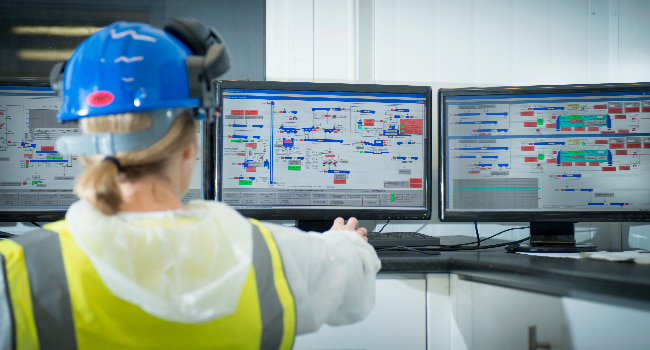

One of the most important best practices is to establish clear, measurable goals from the very beginning. Before you implement any new technology, you need to define what success looks like. Are you aiming for specific cost savings, a certain increase in throughput, or a target reduction in errors?
These goals will guide your entire project, from selecting the right technology to configuring the system. They will also form the basis for your ROI measurement. By setting specific performance metrics upfront, you can track your progress and demonstrate the value of the investment to stakeholders.
Clearly defined goals also help with resource allocation. Knowing your primary objectives allows you to focus your time, budget, and personnel on the areas that will deliver the biggest impact. Without this clarity, it’s easy for an implementation project to lose direction and fall short of its potential.
Implementation is not the end of the journey; it’s the beginning. A key best practice is to commit to continuous monitoring and optimization. Your warehouse performance should be tracked regularly to ensure the new system is meeting its goals and to identify areas for further improvement.
Data analytics can be leveraged to improve warehouse performance by providing the insights needed for this optimization. The data collected by your automation system can reveal bottlenecks or inefficiencies that weren’t apparent before. Using advanced algorithms, you can fine-tune workflows, adjust robot paths, or reallocate resources to keep improving.
Strategies for continuous improvement include:
In summary, transitioning from manual to digital processes with Dock Link technology is a game-changer for lumper operations. By embracing this innovative system, warehouses can significantly enhance efficiency, improve inventory management, and ultimately achieve substantial cost savings. The move towards automation not only streamlines communication and real-time tracking but also empowers lumpers with the tools they need to excel in an increasingly digital landscape. As you consider implementing Dock Link, remember that setting clear goals and continuously monitoring your progress are key to maximizing your ROI. Ready to embrace the future of warehousing? Get in touch today to explore how Dock Link can transform your operations!
Dock Link improves efficiency by using automation technology to speed up the unloading and sorting process. It reduces the need for manual labor, which lowers labor costs and minimizes human error. This allows for faster truck turnaround times and ensures that accurate data is fed into your warehouse management system instantly.
When evaluating the ROI of warehouse automation, focus on key performance metrics like dock-to-stock time, receiving accuracy rates, and cost per unload. You should also measure direct cost savings from reduced labor and fewer errors, as well as overall productivity gains like increased throughput and faster order fulfillment.

Haley serves as the Marketing Manager for Complete Quality Solutions. She joined CQS in 2023 with her prior experience gained with GXO and XPO Logistics.