Business Development
(224) 213-5119
General Information
(513) 776-1078

- By Haley
- April 7, 2026
Table of Contents
Key Highlights
Here are the key takeaways from our guide on preventing package damage:
- Inadequate packaging, insufficient cushioning, and incorrect labeling are primary causes of package damage.
- Poor warehouse management, including improper storage and mishandling by staff, contributes significantly to damaged goods.
- The shipping process itself, from first-mile to last-mile delivery, presents numerous risks across different transportation modes.
- Human error, such as training gaps and miscommunication, can disrupt logistics services and lead to costly mistakes.
- Adopting best practices in supply chain management and partnering with a reliable 3PL can drastically reduce damage incidents.
Introduction
Receiving a damaged package is a frustrating experience for any customer. For businesses, it means more than just a broken item; it can lead to financial losses, unhappy customers, and a tarnished reputation. Understanding why packages get damaged is the first step toward preventing it. From the warehouse to your customer’s doorstep, every stage of the supply chain management process holds potential risks. This guide will explore the common reasons for damage and provide practical solutions to improve your logistics services and protect your products.
Common Causes of Shipping Package Damage
Have you ever wondered why some packages arrive in perfect condition while others look like they’ve been through a battle? The journey through the supply chain is complex, and damage can occur at multiple points. From the moment an item leaves the shelf to when it’s delivered, the handling of goods plays a massive role in its final state.
Issues often begin with the basics, such as the packaging itself or how items are managed during order fulfillment. Effective logistics operations and warehouse management are essential to minimize these risks. Let’s look at some of the most frequent culprits behind damaged shipments.

Inadequate Packaging Materials and Methods
One of the most common reasons for package damage is the use of subpar packaging materials. Using a box that is too thin, previously used, or not designed for the weight of your product is a recipe for disaster. The packaging is your product’s first line of defense against the bumps and drops it will inevitably encounter.
To protect your items, it’s crucial to adhere to high quality standards when selecting materials. This includes choosing sturdy boxes, strong tape, and appropriate void fill. The right packaging ensures that your product can withstand the rigors of various logistics activities, from being stacked in a warehouse to being sorted on a conveyor belt.
Implementing best practices for packaging isn’t just about protection; it’s about efficiency and customer satisfaction. A well-packaged item reflects the care you put into your products and brand, ensuring it arrives safely in the customer’s hands.
Insufficient Cushioning and Box Strength
Simply placing an item in a box is not enough. Without proper cushioning, products can shift, rattle, and break during transit. The empty space inside a package, or void, is a major risk factor. Materials like bubble wrap, air pillows, or foam inserts are essential to fill these gaps and absorb shock.
The box strength itself is also a critical consideration. Corrugated boxes come in various grades, and choosing one with the appropriate crush test rating for your product’s weight and fragility is vital. A weak box can easily be crushed when stacked with other packages in a truck or within the warehouse space, leading to damaged contents.
Effective order fulfillment processes should include a checkpoint to ensure every package has adequate cushioning and appropriate box strength. This small step in your warehouse management routine can save you from costly returns and disappointed customers, ensuring items are secure from the moment they are packed.
Incorrect Labeling and Handling Instructions
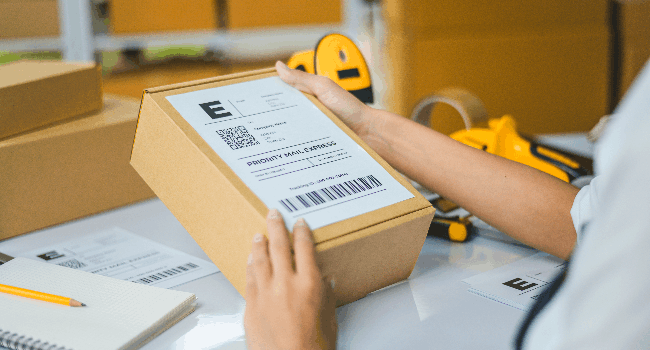
Clear communication is key in logistics operations, and shipping labels are a primary form of it. An incorrect or unreadable label can send a package on a detour, increasing its time in transit and the opportunities for it to get damaged. Likewise, missing handling instructions can lead to improper care.
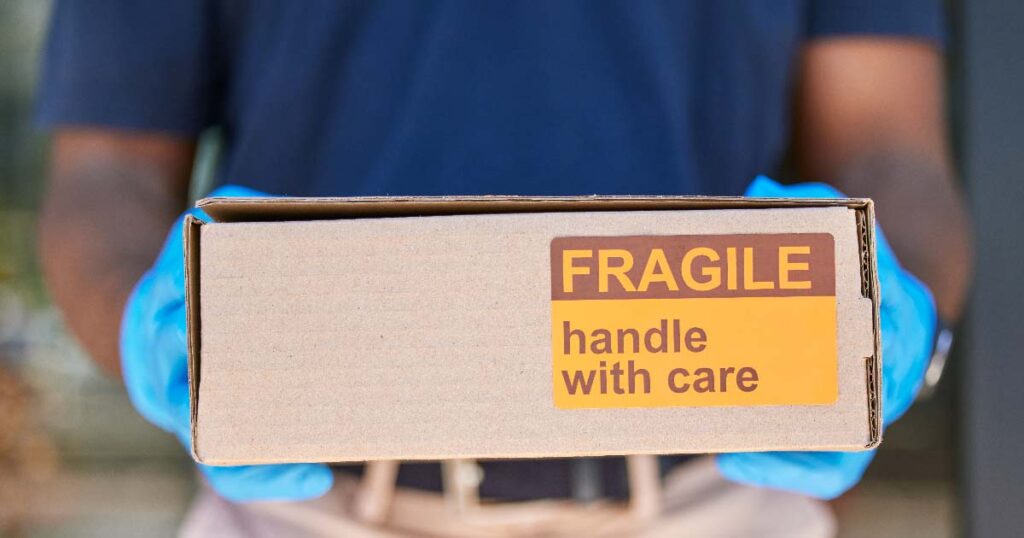
For instance, a box containing glassware without a “Fragile” label might be handled roughly or stacked under heavier items. Clear, standardized labels ensure that everyone in the distribution systems understands how to manage the package. This is crucial for fulfilling customer orders correctly and maintaining good customer service.
To avoid these issues, always include:
- Clear and accurate delivery addresses.
- Special handling instructions (e.g., “Fragile,” “This Way Up”).
- Readable barcodes for automated sorting systems.
Risks During Warehouse Operations That Lead to Damage
The warehouse is more than just a storage space; it’s a dynamic hub of activity where packages are received, stored, picked, and packed. Unfortunately, this is also a prime location for damage to occur. Ineffective warehousing practices can compromise your products before they even begin their shipping journey.
Proper inventory management and organized supply chain operations are critical to protecting your goods. From how items are stacked on shelves to how they are moved across the facility, every action matters. Let’s examine the specific risks within warehouse management that can lead to damaged stock levels and how to prevent them.
Poor Inventory Storage Practices
How you store your products can make or break their condition. Poor inventory storage practices are a leading cause of preventable damage within a warehouse. Stacking heavy items on top of lighter ones, for example, is a common mistake that can lead to crushed boxes and broken goods.
Effective warehouse management involves creating a logical and safe inventory storage system. This includes using appropriate shelving, organizing products by size and weight, and ensuring that aisles are clear to prevent accidental collisions with handling equipment. Proper storage not only protects your products but also optimizes your space, potentially lowering storage costs.
To improve your inventory management, consider these practices:
- Use a slotting strategy: Place frequently picked items in easily accessible locations to reduce handling.
- Follow weight guidelines: Never exceed the weight capacity of shelves or stack items in an unstable way.
- Separate fragile items: Designate specific areas for delicate products that require special handling.
Mishandling by Warehouse Staff
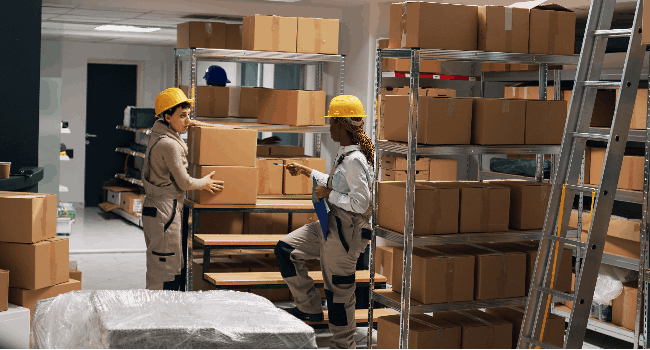
Even with the best storage systems in place, human error remains a significant factor in warehouse damages. Mishandling by staff, whether due to a lack of training, carelessness, or pressure to work quickly, can result in dropped packages, forklift accidents, and improper stacking. These incidents directly impact your stock levels and profitability.
Ongoing training and clear performance standards are essential for mitigating these risks. When employees understand the correct procedures for handling different types of goods and the financial impact of damages, they are more likely to exercise caution. This investment in training can lead to a significant reduction in damage-related labor costs over time.
For businesses that rely on logistics providers, it’s important to choose partners who prioritize employee training and accountability. A well-managed workforce is a cornerstone of effective supply chain management and is crucial for protecting your inventory from preventable harm as it moves through the warehouse.
Environmental Factors in the Warehouse
The environment inside your warehouse or storage facilities can also pose a threat to your products. Factors like extreme temperatures, humidity, dust, and pests can cause significant damage, especially to sensitive goods such as electronics, food, or pharmaceuticals. A box left near a leaky roof or in a damp corner can quickly become compromised.
Modern distribution centers use a warehouse management system (WMS) to monitor and control environmental conditions. Climate-controlled zones can protect temperature-sensitive items, while regular maintenance and pest control can prevent other environmental hazards. Overlooking these factors can lead to spoiled inventory and financial loss.
Protecting your products requires a proactive approach to managing the warehouse environment. This includes regular inspections of the facility, implementing climate control where necessary, and ensuring your goods are stored away from potential hazards. A clean, dry, and temperature-appropriate environment is a non-negotiable part of a healthy supply chain.
Vulnerabilities in the Shipping Process
Once a package leaves the warehouse, it enters the most dynamic and often riskiest part of its journey: transit. The shipping process involves multiple handoffs, modes of transport, and sorting facilities, each presenting a unique set of vulnerabilities. Managing the continuous flow of goods through this complex network is a major challenge for any supply chain.
From bumpy roads to turbulence in the air, physical forces can take a toll on your packages. Effective transportation management and collaboration with reliable logistics service providers are essential to navigate these challenges. Below, we’ll explore the specific points of weakness in the shipping process.
Challenges in First Mile and Last Mile Delivery
The first mile (moving goods from a manufacturer to a warehouse) and the last mile (from a distribution center to the customer) are often the most challenging parts of transportation management. During the last mile, packages are handled frequently by delivery drivers and are exposed to road vibrations and frequent stops and starts, increasing the risk of damage right before the final delivery.
Achieving high customer satisfaction hinges on a successful last mile experience. A damaged product at this final stage is incredibly frustrating for the consumer and reflects poorly on your brand. Optimizing routes and ensuring drivers are trained in proper package handling can make a significant difference.
Working with a third-party logistics (3PL) provider can offer many benefits here, as they often have the expertise and technology to navigate these challenges effectively. The main benefits of working with a 3PL provider include:
- Access to advanced tracking technology for better visibility.
- Optimized delivery routes to reduce transit time and handling.
- Established networks that can handle volume fluctuations and ensure timely delivery.

Impacts of Transportation Modes (Air, Ocean, Ground)
The transportation mode you choose significantly impacts the risk of damage, as well as delivery times and costs. Each option—air, ocean, and ground—comes with its own set of environmental and physical challenges. While warehousing focuses on static storage, distribution is about the movement of goods, and the choice of transport is a key part of that process.
Air freight is fast but can expose packages to pressure changes and turbulence. Ocean freight is cost-effective for bulk shipments but involves long transit times, high humidity, and the risk of container shifting. Ground transport is versatile but subjects packages to constant vibration and potential impacts from rough roads. Logistics companies can help you choose the best mode for your needs.
Understanding these differences allows for better planning and packaging, potentially leading to cost savings and safer deliveries.
Transportation Mode | Common Risks | Best For |
Ground | Road vibrations, frequent handling, accidents, weather delays | Domestic shipping, last-mile delivery |
Air | Turbulence, pressure changes, rough handling during loading | High-value or time-sensitive goods |
Ocean | Water damage, humidity, container movement, long transit | Large volume, non-perishable goods |
Sorting and Transferring Between Carriers
A package rarely travels with a single carrier from origin to destination. The process often involves transfers between different logistics service providers or freight forwarders, especially for long-distance or international shipments. Each transfer point is a moment of vulnerability where damage can occur.
During these handoffs, packages are unloaded, sorted, and reloaded, often through automated systems with conveyor belts, chutes, and diverters. While efficient, these logistics activities can be rough on packages. A box can fall off a belt, get jammed in a sorter, or be thrown during manual loading, compromising the careful packaging you started with.
To minimize risks during the movement of goods, it’s crucial to work with reputable carriers who invest in modern, well-maintained sorting facilities. Ensuring your parcels are robustly packaged to withstand these automated and manual processes is your best defense against damage during transfers.
Human Error and Its Impact on Package Damage
Technology and systems can only do so much. At every step of the logistics operations, people are involved, and with people comes the potential for human error. A simple mistake, from misreading a label to dropping a box, can lead to a damaged product and an unhappy customer.
Addressing human error should be a core part of any supply chain strategy. This involves more than just reacting to mistakes; it requires proactive measures like comprehensive employee training and fostering clear communication channels. Let’s look at how these human factors can impact your customer orders and what you can do about them.
Training Gaps in Logistics Teams
Inadequate training is a primary source of preventable damage in logistics operations. When employees are not properly trained on how to handle packages, operate equipment, or follow safety protocols, the risk of accidents and mishandling skyrockets. This can result in significant losses for logistics companies, from damaged goods to increased labor costs associated with reprocessing orders.
Comprehensive training programs should cover everything from proper lifting techniques and equipment operation to understanding the specific handling requirements for different types of products. A well-trained team is more efficient, makes fewer mistakes, and contributes to smoother supply chain operations.
Many businesses partner with a 3PL provider to manage their supply chain, in part because these specialized firms invest heavily in employee training. A 3PL provider helps businesses by bringing a trained workforce and established best practices, which reduces the risk of damage and improves overall efficiency without the business having to build these programs from scratch.
Miscommunication in the Shipping Chain
A breakdown in communication at any point in the supply chain can lead to serious problems, including package damage. If special handling instructions for a fragile item are not passed from the warehouse team to the shipping carrier, that item is unlikely to receive the care it needs. This disconnect can undermine all your efforts in proper packaging and order processing.
Effective distribution services depend on a seamless flow of information. This includes data from your WMS, instructions on shipping labels, and verbal communication between teams. When information is lost or misinterpreted, the risk of error increases, potentially impacting customer service.
The main benefits of working with a 3PL provider often include their integrated communication systems, which ensure consistency across the shipping chain. Key elements to prevent miscommunication include:
- Standardized labeling for all packages.
- Integrated software systems that share data between all partners.
- Clear protocols for communicating special handling needs.
Warehouse Damages: How They Occur and How to Spot Them
Damages that occur within the warehouse can be particularly costly because they happen before a product even has a chance to be shipped. These incidents are often a sign of underlying issues in your warehouse management processes. Identifying these problems requires strong supply chain visibility.
By understanding the common signs of warehouse damage and implementing clear reporting procedures, you can address issues quickly and prevent them from recurring. This proactive approach is a critical part of effective supply chain management. Let’s explore how to spot and document these damages.
Signs of Damage in Warehouse Shipping
Detecting damage early is key to preventing flawed products from reaching your customers. Within the warehouse, there are several telltale signs that a package or its contents may be compromised. Improving supply chain visibility allows you to catch these issues during the order fulfillment process, not after a customer complains.
Employees should be trained to look for visible signs of distress on packaging. These indicators suggest that the package has been subjected to stress and the contents may be affected. A quick inspection can go a long way in maintaining customer satisfaction.
Common signs of damage to look for include:
- Crushed corners or dented boxes: This often indicates improper stacking or impact during handling.
- Tears, punctures, or holes: These suggest the package was snagged, dropped, or hit by an object.
- Water stains or discoloration: This points to exposure to moisture, which can damage both the packaging and the product inside.
Reporting and Documenting Warehouse Damages
Once damage is identified, having a clear and consistent process for reporting and documenting it is crucial. This isn’t just about recording a loss; it’s about gathering data that can help you identify patterns and fix root causes within your logistics operations. A robust reporting system should be an integral part of your supply chain strategy.
Using a warehouse management system (WMS) can streamline this process. It allows staff to quickly log damaged items, take photos, and note the location and suspected cause. This data provides valuable insights for improving everything from employee training to your order processing workflows.
An effective documentation process should include:
- A unique identifier: Log the product SKU, order number, and date.
- Photographic evidence: Take clear pictures of the damage from multiple angles.
- Detailed description: Note the type and extent of the damage and where it was discovered.
Role of 3PL and Third Party Logistics in Preventing Damage
What does 3PL mean in logistics? It stands for third-party logistics, which refers to outsourcing your logistics operations to a specialized company. These logistics providers manage everything from warehousing to shipping on your behalf. For many businesses, partnering with a 3PL is a game-changer for preventing package damage.
A 3PL provider helps businesses manage their supply chain by bringing expertise, infrastructure, and technology that would be costly to develop in-house. By leveraging different logistics models, they can enhance the safety and efficiency of your supply chain management. Let’s explore how these partners can become your greatest asset in damage prevention.
How 3PL Enhances Safe Shipping Practices
Utilizing a third-party logistics provider (3PL) significantly enhances safe shipping practices. These experts implement advanced technology and warehouse management systems, ensuring the movement of goods adheres to quality standards. With improved inventory management, 3PLs optimize stock levels and manage distribution centers effectively, reducing the risk of damage during transit. Their expertise in logistics operations and transportation management leads to shorter lead times, ultimately enhancing customer satisfaction. By focusing on the flow of goods, 3PLs contribute to a smoother returns process and better overall customer experience.
Choosing a Reliable Third Party Logistics Partner
How can businesses choose the right 3PL partner? Selecting the right one from the many logistics companies available is a critical decision. You are entrusting them with a vital part of your core business, so it’s important to do your homework. A reliable 3PL provider should act as a true partner, aligning with your goals for quality and customer satisfaction.
Look for a 3PL provider with a proven track record in your industry. Inquire about their damage rates, quality control processes, and the technology they use. Consider their available service options and scalability to ensure they can grow with your business. Some well-known examples of 3PL companies include major players like DHL Supply Chain, XPO Logistics, and C.H. Robinson, as well as many specialized regional providers.
When evaluating a potential partner, ask about:
- Their experience with products similar to yours.
- Their processes for reporting and handling damaged goods.
- Customer references and case studies.
Best Practices to Prevent Shipping Package Damage
Preventing package damage requires a proactive and holistic approach. It’s about implementing high quality standards across your entire supply chain management, from product packaging to your logistics operations. Getting it right the first time is far more efficient than dealing with returns and reverse logistics.
By focusing on a few key areas, you can significantly reduce the likelihood of your products arriving damaged. These best practices serve as a foundation for a resilient and reliable shipping process. Let’s cover some of the most impactful strategies you can implement.
Choosing the Right Packaging for Your Product
The first and most critical step in preventing damage is selecting the right packaging. This decision should be an integral part of your product development process, not an afterthought. The packaging must be designed to protect your specific item from the foreseeable rigors of your supply chain operations.
Consider the product’s weight, shape, fragility, and value. A heavy item needs a double-walled box, while a delicate one requires custom foam inserts. Your choice of packaging materials, including the box, void fill, and sealing tape, all play a role in creating a secure parcel.
Effective warehouse management practices also depend on proper packaging. Well-packaged items are easier to stack, store, and handle, reducing the risk of damage within your facility. Investing in quality packaging is an investment in your product’s safety and your brand’s reputation.
Implementing Quality Control Measures in Logistics
Quality control shouldn’t be limited to your products; it must extend to your logistics services. Implementing checkpoints throughout your order fulfillment process can catch potential issues before they escalate. This ensures that your standards are met at every stage, from the warehouse to the customer’s door.
In your distribution centers, establish clear quality control measures. This could include random inspections of packed orders to check for adequate cushioning, correct labeling, and proper sealing. Holding your teams and partners accountable to these standards is essential for maintaining consistency and improving customer satisfaction.
Key quality control measures to implement include:
- Packing audits: Regularly review a sample of outbound packages to ensure they meet your guidelines.
- Carrier performance reviews: Track the damage rates associated with different shipping carriers and address issues with poor performers.
- Feedback loops: Create a system for customer service to report packaging-related issues back to the warehouse team for continuous improvement.
Conclusion
In conclusion, understanding the reasons behind package damage during shipping is vital for any business aiming to protect their products and enhance customer satisfaction. By addressing common causes such as inadequate packaging, human error, and environmental factors, you can significantly reduce the risk of damage. Implementing best practices like choosing the right packaging materials and quality control measures will ensure that your products arrive safely at their destination. Remember, investing in reliable third-party logistics can also play a crucial role in minimizing risks associated with shipping. If you’re looking to optimize your shipping processes further, don’t hesitate to get a free consultation with our experts to explore tailored solutions for your needs.
Frequently Asked Questions
What should I do if my package is damaged during shipping?
If your package arrives damaged, document the issue with photos immediately and contact the seller’s customer service. They will guide you through their returns process. This initiates the reverse logistics flow and helps logistics providers identify where the damage occurred, ultimately contributing to better service and customer satisfaction.
How do third party logistics companies reduce the risk of warehouse damages?
A third-party logistics provider reduces warehouse damages by leveraging expert warehouse management, trained staff, and advanced technology. These logistics service providers implement proven logistics operations and offer greater supply chain visibility, ensuring products are stored and handled correctly to minimize risk before they are even shipped.
Risks During Warehouse Operations Leading to Damage?
Risks in warehouse operations include poor storage practices like improper stacking, mishandling by staff, and environmental factors like humidity. These issues in warehouse management can damage stock levels before order fulfillment even begins, disrupting the entire supply chain management process and wasting valuable warehouse space.
How can I prevent shipping package damage and warehouse damages?
To prevent damage, use high-quality packaging materials and sufficient cushioning. Implement effective warehousing practices with clear quality standards for your supply chain operations. Streamline your order processing and partner with reliable logistics services to ensure your products are handled with care from your warehouse to your customer.

Haley serves as the Marketing Manager for Complete Quality Solutions. She joined CQS in 2023 with her prior experience gained with GXO and XPO Logistics.