Business Development
(224) 213-5119
General Information
(513) 776-1078

- By Haley
- January 20, 2026
Table of Contents
Key Highlights
- PIT operators are crucial for a modern supply chain, transforming warehouse management practices.
- They significantly increase the speed of order fulfillment by streamlining the movement of goods.
- The use of PITs improves inventory management by ensuring greater accuracy and reducing manual errors.
- With PITs, you can better utilize automated storage systems to maximize your warehouse capacity.
- These operators help lower operational costs while boosting overall labor productivity.
- They enhance workplace safety by taking over physically demanding and repetitive tasks.
Introduction
In today’s fast-paced market, businesses like yours face constant pressure from rising customer demands and a need for quicker delivery times. To stay competitive, companies are turning to warehouse automation to make their supply chain more efficient. Powered Industrial Truck (PIT) operators are at the heart of this transformation, playing a vital role in optimizing operations, maximizing warehouse space, and ensuring your business can keep up with the pace of modern commerce.
Understanding PIT Operators in Modern Warehousing
So, what exactly are PIT operators and why are they so important? In short, they are the skilled individuals who operate Powered Industrial Trucks, the machines that move materials throughout a facility. Their role is fundamental to modern warehouse operations.
These operators are responsible for the efficient handling of goods, from receiving and storage to order picking and shipping. By managing this flow, they help maintain accurate inventory levels and ensure products are where they need to be, right when they’re needed. Let’s explore their specific roles, the equipment they use, and their overall importance.
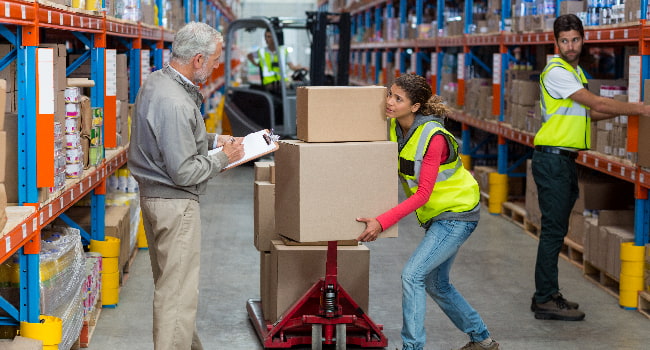
Definition and Role of PIT Operators
PIT operators are specialized warehouse workers trained to operate powered industrial trucks, which include a wide variety of material handling equipment. Their primary function is to transport, lift, and manage inventory throughout the warehouse, making them a cornerstone of effective supply chain management. They work alongside other team members to ensure a smooth and continuous flow of goods.
The role of these operators goes beyond just driving a vehicle. They are instrumental in the order fulfillment process, accurately picking items from shelves and preparing them for shipment. By performing these tasks efficiently, they reduce the manual workload on other warehouse workers and help prevent bottlenecks that can slow down your entire operation.
Their work is a key component of warehouse automation technology, which also includes systems like Autonomous Mobile Robots (AMRs), Automated Guided Vehicles (AGVs), and robotic picking arms. These technologies work together to create a more productive and error-free environment.
Types of Powered Industrial Trucks (PITs) Used
Warehouses utilize various types of PITs, each designed for specific tasks and environments. The selection of a particular truck depends on factors like the warehouse layout, the need to handle heavy loads, and the goal of achieving higher storage density. Choosing the right equipment is essential for efficient operations.
Among the many kinds of warehouse automation technology available today, some of the most common PITs you’ll find include:
- Forklifts: The most recognizable PIT, used for lifting and moving pallets.
- Automated Guided Vehicles (AGVs): Robots that follow fixed paths to transport materials.
- Autonomous Mobile Robots (AMRs): Smart robots that can navigate dynamic environments and avoid obstacles.
- Order Pickers: Trucks that lift the operator to high shelves for manual case picking.
Each of these machines specializes in the handling of goods in different scenarios. Whether it’s moving heavy loads across a large facility or navigating narrow aisles to maximize storage density, there is a PIT designed for the job.
Importance of PIT Operators in Warehouse Operations
The importance of skilled PIT operators in warehouse management cannot be overstated. They are the human element that guides powerful machinery, ensuring tasks are completed with precision and care. Their expertise directly contributes to improved inventory accuracy, as they are responsible for placing and retrieving goods correctly.
Furthermore, these operators are essential for speeding up order picking and, consequently, the entire order fulfillment process. Automation systems help optimize warehouse operations by providing PIT operators with the tools to work faster and more effectively. This reduces the time it takes for an order to move through the supply chain, leading to happier customers.
By bridging the gap between manual processes and automated systems, PIT operators ensure that your warehouse runs like a well-oiled machine. They help manage growing demand, reduce delays, and maintain a consistent flow of products, making them an invaluable asset to any logistics operation.
Essential Technologies Driving PIT Operations
Modern PIT operations are no longer just about manual control; they are powered by advanced technologies that boost intelligence and efficiency. Innovations in warehouse automation are transforming these vehicles from simple tools into smart, connected assets.
Robotic systems and automated storage solutions are now integrated with PITs, allowing for seamless communication and coordination. These technologies enable operators to perform their duties with greater speed and precision. Now, we’ll look at some of the specific innovations and integrations that are making this possible.
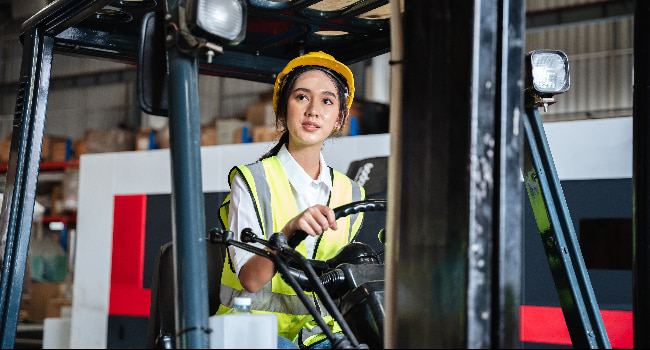
Warehouse PIT Equipment Innovations
Innovation in PIT equipment is rapidly advancing, with warehouse automation solutions becoming more sophisticated every year. One of the main technologies used in modern warehouse automation is artificial intelligence, which allows machines to make smart decisions on their own. This intelligence is being built directly into the next generation of PITs.
For instance, some advanced PITs are now equipped with robotic arms that can pick items with incredible precision, powered by computer vision. This technology enables the equipment to “see” and identify products, barcodes, and shelf locations, drastically reducing picking errors. This is a significant leap forward from traditional manual methods.
These advancements are turning PITs into key components of automated storage and retrieval systems. The continuous innovation in this field helps warehouses handle higher volumes, improve accuracy, and create a safer working environment for everyone.
Integration with Material Handling Equipment (MHE)
For PITs to be truly effective, they must work in harmony with other material handling equipment (MHE) in your warehouse. The key to this is seamless integration, which is often managed through a central warehouse management system (WMS). This system acts as the brain of the operation, coordinating all moving parts.
Data integration is a critical best practice when using technology in warehousing. When your PITs, conveyor belts, and other systems can share information in real time, your entire workflow becomes more efficient. For example, a WMS can dispatch a PIT operator to a specific location just as a product arrives on a conveyor, eliminating idle time.
This level of integration also paves the way for collaborative robots, or “cobots,” to work alongside human operators. A cobot might bring a pallet to a PIT operator, who then transports it to its final destination. This teamwork between different types of MHE optimizes productivity and streamlines processes.
Automated and Data-Driven PIT Systems
The most advanced PIT systems are now automated and data-driven, leveraging artificial intelligence to operate with minimal human intervention. These systems use sensors and cameras to collect real-time data about their surroundings, which is then analyzed to make instant decisions. This is how data analytics can be leveraged to improve warehouse performance.
This data-driven approach allows for optimized routing, task assignments, and even predictive maintenance alerts. Instead of relying on pre-programmed paths, these smart PITs can adapt to changing conditions on the warehouse floor, navigating around obstacles and human workers safely. This enhances both efficiency and safety in warehouse management.
These systems represent a major shift from traditional operations, connecting directly to automated storage systems and your WMS for unparalleled control.
| Feature | Traditional PIT Systems | Automated & Data-Driven PITs |
| Navigation | Manual control, fixed paths | AI-optimized, dynamic routing |
| Data Usage | Manual data entry, delayed insights | Real-time data capture and analysis |
| Decision Making | Relies on human operator judgment | AI-driven, predictive decisions |
Enhanced Efficiency in Warehouse Operations
By leveraging skilled operators and advanced technology, you can achieve a remarkable boost in efficiency across your warehouse. This translates into faster order fulfillment speed, tighter inventory control, and lower overall operational costs for your business.
Automating repetitive tasks allows your team to focus on more strategic activities, further enhancing productivity. The following sections will explore how PIT operators contribute to speeding up inventory movement, streamlining workflows, and using data for continuous optimization.
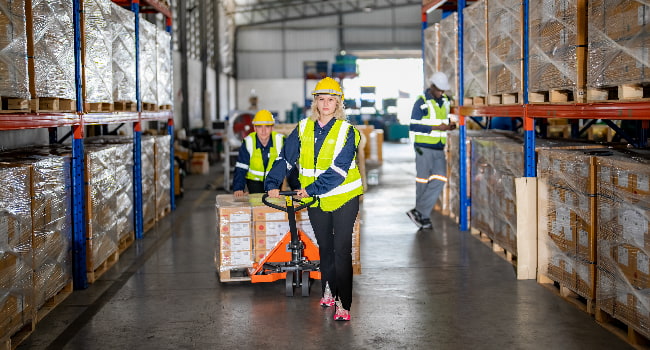
Speeding Inventory Movement and Order Fulfillment
One of the most significant benefits of using PIT operators is the acceleration of inventory movement. In a busy warehouse, getting products from the receiving dock to storage, and then from storage to the shipping bay, needs to happen quickly. PITs are designed to move materials much faster and more safely than is possible with manual labor.
This speed has a direct impact on your order fulfillment process. Automation systems help optimize warehouse operations by creating a more efficient flow of goods. When items are moved faster, orders can be picked, packed, and shipped in less time, leading to shorter delivery times and increased customer satisfaction.
Ultimately, a more rapid and reliable flow of goods strengthens your entire supply chain. By reducing delays within the warehouse, you can better meet shipping deadlines and respond more quickly to fluctuations in customer demand.
Streamlining Picking, Packing, and Shipping Tasks
Technology is improving inventory management in warehouses by making picking, packing, and shipping more efficient than ever. PIT operators are at the center of these streamlined workflows. They use specialized equipment to execute retrieval processes with speed and precision, which is crucial in a large warehouse facility.
Instead of workers walking long distances to find items, PIT operators can quickly navigate to the correct location and retrieve products. This is especially effective in systems where operators are guided by a WMS. These streamlined processes include:
- Batch Picking: Operators retrieve multiple orders at once, reducing travel time.
- Zone Picking: Operators are assigned to a specific zone and only pick items from that area.
Once items are picked, they are transported to packing stations, where they are prepared for shipping. By accelerating the front end of this process, PIT operators ensure that the packing and shipping teams have a steady stream of orders to work on, preventing backlogs and keeping the entire operation running smoothly.
Real-time Data Capture for Optimization
Modern PITs do more than just move products; they are also powerful tools for data collection. Many are equipped with scanners and sensors that capture real-time information as operators perform their tasks. This data is then fed directly into your warehouse management system (WMS).
This seamless data integration provides you with a constantly updated view of your operations. You can track inventory data as it moves, monitor operator performance, and identify potential inefficiencies in your workflow. This is a prime example of how data analytics can be leveraged to improve warehouse performance by providing actionable insights.
With access to accurate, up-to-the-minute information, you can make better decisions to optimize your warehouse. This helps improve order accuracy, fine-tune processes, and ensure that your resources are being used as effectively as possible, leading to continuous improvement.
Improving Warehouse Labor Productivity
Another major advantage of integrating PITs into your operations is the significant improvement in labor productivity. These machines amplify the capabilities of your warehouse workers, allowing them to accomplish more in less time and with less physical strain.
By reducing the reliance on manual labor for heavy lifting and long-distance transport, you can reassign your team to more value-added roles. Let’s examine how this empowerment reduces workloads, leverages skilled labor, and helps with resource allocation and shift scheduling.

Reducing Manual Workloads and Fatigue
Technology impacts the efficiency of warehouse labor by taking over the most physically demanding jobs. Tasks like lifting heavy boxes, pushing carts over long distances, and performing repetitive movements can lead to fatigue and injuries. Warehouse automation, specifically through the use of PITs, helps mitigate these risks.
By assigning these strenuous and repetitive tasks to machines, you can significantly reduce the physical burden on your human workers. This not only creates a safer work environment but also helps reduce fatigue, allowing your team to stay focused and productive throughout their shifts.
When employees are less tired, they make fewer mistakes and are more engaged in their work. Freeing them from manual labor allows them to concentrate on tasks that require critical thinking and problem-solving, which machines cannot do.
Empowering Skilled Labor Through Technology
Instead of replacing workers, advanced technologies empower your skilled labor to become even more valuable. Operating a modern PIT requires training and expertise, turning a general warehouse worker into a specialized operator. This upskilling is a win-win for both the employee and the company.
One of the best practices for training PIT operators is to combine classroom instruction with hands-on practice under the supervision of experienced warehouse managers. This training should cover not only the mechanics of operating the vehicle but also safety protocols and the best practices for using integrated technologies like scanners and WMS interfaces.
By investing in training, you create a more capable and versatile workforce. These skilled operators can then take on more responsibility, contribute to process improvements, and even help train new team members, fostering a culture of continuous development.
Optimizing Shift Scheduling and Resource Allocation
Technology is improving inventory management and operations by providing the data needed for better decision-making, including shift scheduling and resource allocation. Your warehouse management system can analyze historical data and current order volumes to predict periods of peak demand. This allows you to schedule your PIT operators more effectively.
With these insights, you can ensure you have enough operators on hand to manage busy periods without being overstaffed during slower times. This smart resource allocation helps you control labor costs while maintaining high levels of productivity. You can align your workforce with the actual needs of the warehouse.
This data-driven approach takes the guesswork out of scheduling. It allows warehouse managers to build more efficient and cost-effective schedules, ensuring that skilled operators and equipment are available when and where they are needed most to keep operations running smoothly.
Cost Savings and ROI from PIT Utilization
While there is an initial investment associated with warehouse automation, the long-term cost savings and return on investment (ROI) are substantial. Using PITs helps drive down operational costs in several key areas, making it a financially sound decision for most businesses.
The efficiency gains and productivity boosts lead to a healthier bottom line. The following sections will detail how automated PITs lower expenses, extend the life of your equipment, and ultimately improve your profit margins.

Lower Operational Expenses with Automated PITs
Automated PITs help optimize warehouse operations, leading to significant reductions in operational costs. One of the most direct areas of cost savings is in labor costs. With automation handling many of the time-consuming tasks, you can accomplish more with the same number of staff, or even reduce your reliance on temporary labor during peak seasons.
Beyond labor, automation also contributes to savings by improving accuracy. Fewer picking and shipping errors mean fewer costly returns and redeliveries. This efficiency in warehouse management also reduces waste, whether it’s wasted time, fuel, or materials, all of which add up to substantial savings.
Over time, these efficiencies create a leaner, more cost-effective operation. The initial investment in automation is often quickly offset by these ongoing cost savings, making it a smart financial move for any forward-thinking warehouse.
Extending Equipment Lifespan and Reducing Downtime
A common challenge when implementing warehouse technology is managing maintenance and potential downtime, but modern PITs often come with solutions. Many advanced systems feature predictive maintenance capabilities. They use sensors to monitor the health of the warehouse equipment and alert you to potential issues before they cause a breakdown.
This proactive approach to maintenance helps you schedule repairs during off-peak hours, dramatically reducing unplanned downtime. When your equipment is running reliably, your entire supply chain becomes more resilient. Unexpected downtime can bring operations to a halt, causing delays that ripple through your business.
By performing regular, predictive maintenance, you also extend the equipment lifespan. Well-maintained machines last longer and perform better, protecting your investment and ensuring you get the maximum value out of your warehouse equipment for years to come.
Impact on Warehousing Profit Margins
The combined benefits of using PITs have a powerful impact on warehousing profit margins. Technology positively impacts the efficiency of warehouse labor, which directly translates to cost savings. When you can process more orders with greater accuracy and less expense, your profitability naturally increases.
In the competitive warehousing industry, even small improvements in efficiency can provide a significant competitive edge. Warehouse automation allows you to offer faster, more reliable service to your customers, which can help you win and retain business. These cost savings can be passed on to customers or reinvested into the business.
Ultimately, investing in modern PITs and the skilled operators who run them is a strategy for long-term financial health. It reduces costs, boosts revenue potential, and strengthens your position in the market, all of which contribute to healthier profit margins.
Increased Safety and Risk Mitigation
A busy warehouse facility can present numerous safety challenges, but the use of PITs can play a major role in risk mitigation. By automating dangerous tasks and leveraging advanced safety features, you can significantly reduce the potential for accidents and injuries.
Reducing human error in high-risk situations is key to creating a safer environment for everyone. Let’s explore the specific safety features of modern PITs and how they contribute to fewer incidents and better compliance.
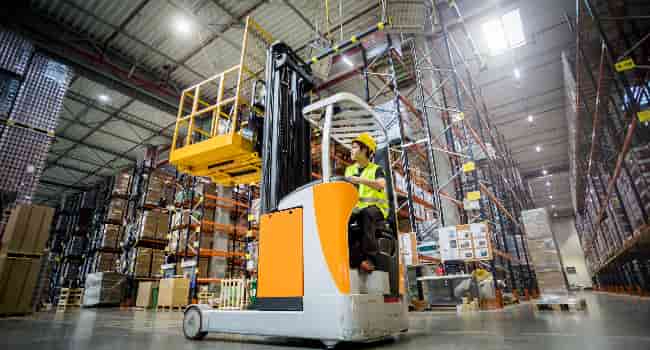
Advanced Safety Features in Warehouse PIT Equipment
One of the latest trends in warehouse technology is the integration of advanced safety features directly into PIT equipment. These automated systems are designed to protect both the operator and other workers in the vicinity. They use sensors and cameras to maintain a constant awareness of their surroundings.
These safety features are a major leap forward in ensuring compliance with safety regulations. Some of the most impactful innovations you’ll find include:
- Collision Detection: Systems that automatically slow down or stop the PIT if an obstacle is detected.
- Speed Governors: Technology that limits the vehicle’s speed in designated areas of the warehouse layout.
- Operator Presence Sensors: Features that ensure the vehicle cannot operate unless the operator is safely in position.
- Real-time Monitoring: Alerts that notify supervisors of unsafe operating practices.
These technologies work together to create multiple layers of protection, making the warehouse a much safer place to work.
Reducing Accidents and Injuries
The primary goal of these advanced technologies is to reduce the number of accidents and injuries among warehouse workers. The latest trends in warehouse technology focus heavily on mitigating risk by taking human error out of the equation in dangerous situations. For example, automated systems can react faster than a human operator to a sudden obstacle.
By automating the most hazardous tasks, such as lifting extremely heavy loads or operating in congested areas, you minimize the exposure of your team to potential harm. This proactive approach to safety is far more effective than simply reacting to incidents after they occur.
Ultimately, a safer workplace is a more productive workplace. When your warehouse workers feel secure, morale improves, and they can focus on their tasks without worrying about unnecessary risk. This leads to fewer lost workdays due to injuries and a more stable, reliable workforce.
Real-Time Monitoring and Compliance
Following best practices when using technology in warehousing includes leveraging real-time monitoring to ensure safety and compliance. Modern PITs can capture data on their operation, such as speed, travel paths, and near-miss incidents. This information is transmitted in real time to supervisors and warehouse management.
This constant monitoring helps enforce safety protocols and ensure operators are adhering to company policies and regulatory requirements. If an operator is driving too fast or engaging in unsafe behavior, a manager can be alerted immediately and intervene before an accident happens.
This data capture is also invaluable for training and process improvement. You can analyze the data to identify high-risk areas in your warehouse or common mistakes operators are making. This allows you to address these issues proactively, ensuring ongoing compliance and continuous improvement in your safety program.
Scalability and Flexibility in Warehousing
In the world of modern logistics, the ability to adapt is everything. A key benefit of using PITs is the scalability and flexibility they bring to your warehousing operations. They allow your supply chain to respond quickly to volume changes and shifting customer demands.
Whether you’re facing a seasonal rush or a sudden change in the market, having a flexible workforce and equipment is crucial. The following sections explain how PITs help you manage demand surges and support the complexities of modern commerce.
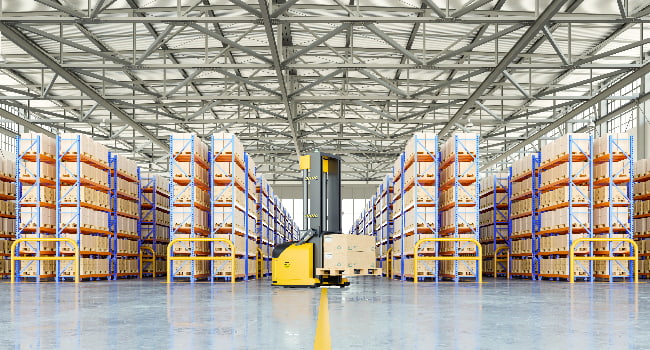
Adapting to Volume Changes and Demand Surges
Automation systems help optimize warehouse operations by making them more adaptable. Your demand forecasting might predict a busy season, but unexpected volume changes can still occur. With a fleet of PITs and skilled operators, you can scale your operations up or down as needed to meet these surges.
During peak periods, PITs allow you to move a much higher volume of goods without needing to drastically increase your headcount. This is a core principle of effective supply chain management—having the agility to respond to the market. Your retrieval systems can work overtime without being overwhelmed.
This flexibility also applies to how you use your storage space. As product lines change, you may need to reconfigure your warehouse layout. PITs, especially AMRs, can easily adapt to new paths and layouts, ensuring your operations remain efficient even as your business evolves.
Support for Omnichannel and E-commerce Operations
The rise of omnichannel retail and e-commerce has placed new pressures on warehouse operations. Customers now expect fast, accurate order fulfillment whether they buy online, in-store, or through a mobile app. Technology is improving inventory management to meet these expectations, and PITs are a critical part of the solution.
Warehouse automation is essential for handling the high volume and small order sizes typical of e-commerce. PIT operators can quickly pick and transport individual items for direct-to-consumer shipments, a process that is very different from moving full pallets for retail distribution. This agility is key to customer satisfaction.
By providing the speed and accuracy needed for complex omnichannel order fulfillment, PITs help you deliver a consistent and positive customer experience across all your sales channels. This capability is no longer a luxury but a necessity for survival in today’s retail landscape.
Conclusion
In summary, utilizing Powered Industrial Truck (PIT) operators in modern supply chains offers numerous advantages, from enhanced efficiency to improved safety. These operators play a crucial role in streamlining warehouse operations, reducing manual workloads, and increasing overall productivity. By integrating advanced technologies and automation, businesses can achieve significant cost savings and a higher return on investment. Moreover, the scalability and flexibility provided by PIT operators allow warehouses to adapt seamlessly to fluctuating demands and support the growing e-commerce landscape. Embracing these benefits is vital for any organization looking to stay competitive in today’s fast-paced market.
Frequently Asked Questions
How do PIT operators contribute to warehouse efficiency?
PIT operators boost warehouse efficiency by accelerating order fulfillment, improving inventory accuracy, and increasing labor productivity. They ensure a smooth flow of goods throughout the supply chain, reducing delays and enabling your team to handle higher volumes with greater precision.
What are best practices for training PIT operators?
Best practices for training PIT operators include a combination of formal instruction on safety and warehouse management, hands-on practice with the equipment, and ongoing coaching. This comprehensive approach ensures you develop skilled labor that operates safely and efficiently.
Which safety guidelines should be followed while operating PIT equipment?
Key safety guidelines include performing pre-shift inspections, adhering to speed limits, and maintaining awareness of the warehouse layout and pedestrian traffic. Following these rules is crucial for compliance, minimizing human error, and reducing the risk of accidents.

Haley serves as the Marketing Manager for Complete Quality Solutions. She joined CQS in 2023 with her prior experience gained with GXO and XPO Logistics.